Blab Entertainment
Hollywoods Western Remakes: From Red River to Wild Wild West
Hollywood’s fascination with the Western has long fueled a cycle of remakes and re‑imaginings. Yet the most recent attempts—CBS’s 1988 Red River, the 2000 television film High Noon, the 1986 Stagecoach TV adaptation, and the 1999 theatrical Wild Wild West—have largely fallen short of the originals’ legacy.
Each of these projects set out to update or re‑introduce a beloved classic, but critics and audiences largely found the new versions lacking in comparison. The 1988 Red River remake, the 2000 High Noon television film, the 1986 Stagecoach adaptation, and the 1999 Wild Wild West movie all struggled to capture the depth, pacing, or visual flair that made their predecessors iconic.
Red River (1948) was a landmark Western directed by Howard Hawks and starring John Wayne and Montgomery Clift. The 133‑minute film follows a Texas rancher and his adopted son as they lead a cattle drive across the Chisholm Trail, earning two Academy Award nominations and a place in the National Film Registry. CBS’s 1988 television version trimmed the story to 94 minutes, casting James Arness as trail boss Thomas Dunson and Bruce Boxleitner as the protégé Matthew Garth, with Ray Walston and Stan Shaw in supporting roles. While the cast delivered solid performances, reviewers noted that the remake felt rushed and failed to match the emotional weight of Hawks’ original. A Los Angeles Times critic called it “a pretty decent way to spend a couple of hours,” but added that “there’s a better one—renting the original.”
The 1952 classic High Noon starred Gary Cooper as Marshal Will Kane and Grace Kelly as his wife, celebrated for its real‑time pacing and moral complexity. In 2000, director Rod Hardy produced a television film that kept the basic storyline but replaced the original cast with Tom Skerritt as Kane, Susanna Thompson as Amy Kane, and Michael Madsen as the villain. Critics complained that the new version lacked the “panache” of the original; a New York Magazine writer dismissed the effort as “no excuse for a remake of High Noon.” Variety noted that the film “works,” but acknowledged that it did not reach the legendary status of its predecessor.
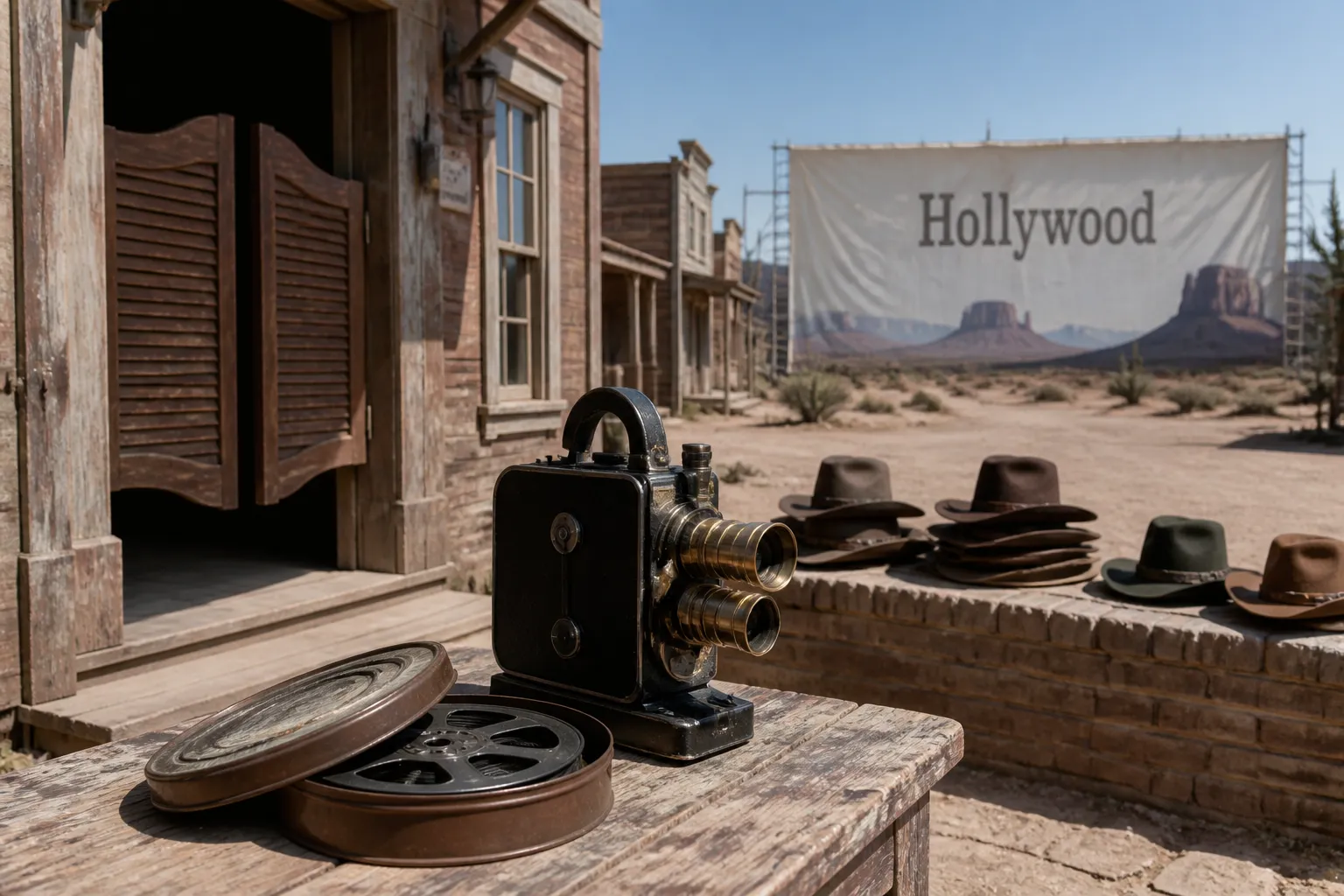
John Ford’s 1939 Stagecoach is credited with revitalizing the Western genre with its ensemble of frontier travelers. A 1966 film remake followed, but it was the 1986 CBS television version that drew the most ire. Starring Willie Nelson, Kris Kristofferson, Johnny Cash, and Waylon Jennings, the adaptation was shot largely at Old Tucson, a prefabricated Western town built in 1939. The production was widely criticized for low production values; a New York Times review called the film “merely laughable,” citing a troubled shoot and unconvincing performances.
Wild Wild West (1999) was not a direct remake but a re‑imagining of a 1960s television series of the same name. Directed by Barry Sonnenfeld, the film starred Will Smith as James West, Kevin Kline as Artemus Gordon, and Kenneth Branagh as the villain Dr. Arliss Loveless. Marketed as a steampunk Western comedy, it flopped at the box office and drew harsh criticism from reviewers. Roger Ebert noted that the movie caused viewers to “stare in disbelief as scenes flop and die,” and the film’s special‑effects spectacle—including a giant mechanical spider—was cited as a symbol of Hollywood excess.
These four projects illustrate a pattern in Hollywood’s approach to remaking Western classics: the desire to capitalize on nostalgia often clashes with the need to honor the original’s artistic achievements. While the 1966 Stagecoach remake was considered respectable, the majority of recent attempts were judged inferior in narrative depth, production quality, or audience reception. The industry’s continued interest in revisiting Westerns suggests that the genre still holds cultural significance, but the mixed outcomes of these remakes highlight the challenges of re‑creating iconic stories for new audiences.
The legacy of the original films remains strong. Red River and High Noon continue to be studied for their pioneering storytelling, while Stagecoach is still regarded as a foundational Western. Wild Wild West has entered the annals of Hollywood missteps, serving as a cautionary example for future genre experiments. As studios consider new projects, the lessons from these remakes may influence how classic Westerns are approached in the future.
Each of these projects set out to update or re‑introduce a beloved classic, but critics and audiences largely found the new versions lacking in comparison. The 1988 Red River remake, the 2000 High Noon television film, the 1986 Stagecoach adaptation, and the 1999 Wild Wild West movie all struggled to capture the depth, pacing, or visual flair that made their predecessors iconic.
Red River (1948) was a landmark Western directed by Howard Hawks and starring John Wayne and Montgomery Clift. The 133‑minute film follows a Texas rancher and his adopted son as they lead a cattle drive across the Chisholm Trail, earning two Academy Award nominations and a place in the National Film Registry. CBS’s 1988 television version trimmed the story to 94 minutes, casting James Arness as trail boss Thomas Dunson and Bruce Boxleitner as the protégé Matthew Garth, with Ray Walston and Stan Shaw in supporting roles. While the cast delivered solid performances, reviewers noted that the remake felt rushed and failed to match the emotional weight of Hawks’ original. A Los Angeles Times critic called it “a pretty decent way to spend a couple of hours,” but added that “there’s a better one—renting the original.”
The 1952 classic High Noon starred Gary Cooper as Marshal Will Kane and Grace Kelly as his wife, celebrated for its real‑time pacing and moral complexity. In 2000, director Rod Hardy produced a television film that kept the basic storyline but replaced the original cast with Tom Skerritt as Kane, Susanna Thompson as Amy Kane, and Michael Madsen as the villain. Critics complained that the new version lacked the “panache” of the original; a New York Magazine writer dismissed the effort as “no excuse for a remake of High Noon.” Variety noted that the film “works,” but acknowledged that it did not reach the legendary status of its predecessor.
John Ford’s 1939 Stagecoach is credited with revitalizing the Western genre with its ensemble of frontier travelers. A 1966 film remake followed, but it was the 1986 CBS television version that drew the most ire. Starring Willie Nelson, Kris Kristofferson, Johnny Cash, and Waylon Jennings, the adaptation was shot largely at Old Tucson, a prefabricated Western town built in 1939. The production was widely criticized for low production values; a New York Times review called the film “merely laughable,” citing a troubled shoot and unconvincing performances.
Wild Wild West (1999) was not a direct remake but a re‑imagining of a 1960s television series of the same name. Directed by Barry Sonnenfeld, the film starred Will Smith as James West, Kevin Kline as Artemus Gordon, and Kenneth Branagh as the villain Dr. Arliss Loveless. Marketed as a steampunk Western comedy, it flopped at the box office and drew harsh criticism from reviewers. Roger Ebert noted that the movie caused viewers to “stare in disbelief as scenes flop and die,” and the film’s special‑effects spectacle—including a giant mechanical spider—was cited as a symbol of Hollywood excess.
These four projects illustrate a pattern in Hollywood’s approach to remaking Western classics: the desire to capitalize on nostalgia often clashes with the need to honor the original’s artistic achievements. While the 1966 Stagecoach remake was considered respectable, the majority of recent attempts were judged inferior in narrative depth, production quality, or audience reception. The industry’s continued interest in revisiting Westerns suggests that the genre still holds cultural significance, but the mixed outcomes of these remakes highlight the challenges of re‑creating iconic stories for new audiences.
The legacy of the original films remains strong. Red River and High Noon continue to be studied for their pioneering storytelling, while Stagecoach is still regarded as a foundational Western. Wild Wild West has entered the annals of Hollywood missteps, serving as a cautionary example for future genre experiments. As studios consider new projects, the lessons from these remakes may influence how classic Westerns are approached in the future.