The History of Dogo Art: How Japan’s Oldest Hot Spring District Became a Contemporary Art Destination
For centuries, Dogo Onsen in Matsuyama, Ehime Prefecture, has been one of Japan’s most celebrated hot spring destinations. Widely regarded as the country's oldest surviving onsen district, the area has attracted travelers, writers, and cultural figures for generations. In the 21st century, however, Dogo found a new way to connect with visitors through contemporary art. The Dogo Art Project emerged as an ambitious effort to blend historic tradition with modern creativity, transforming the famous hot spring town into a living gallery that continues to evolve today.
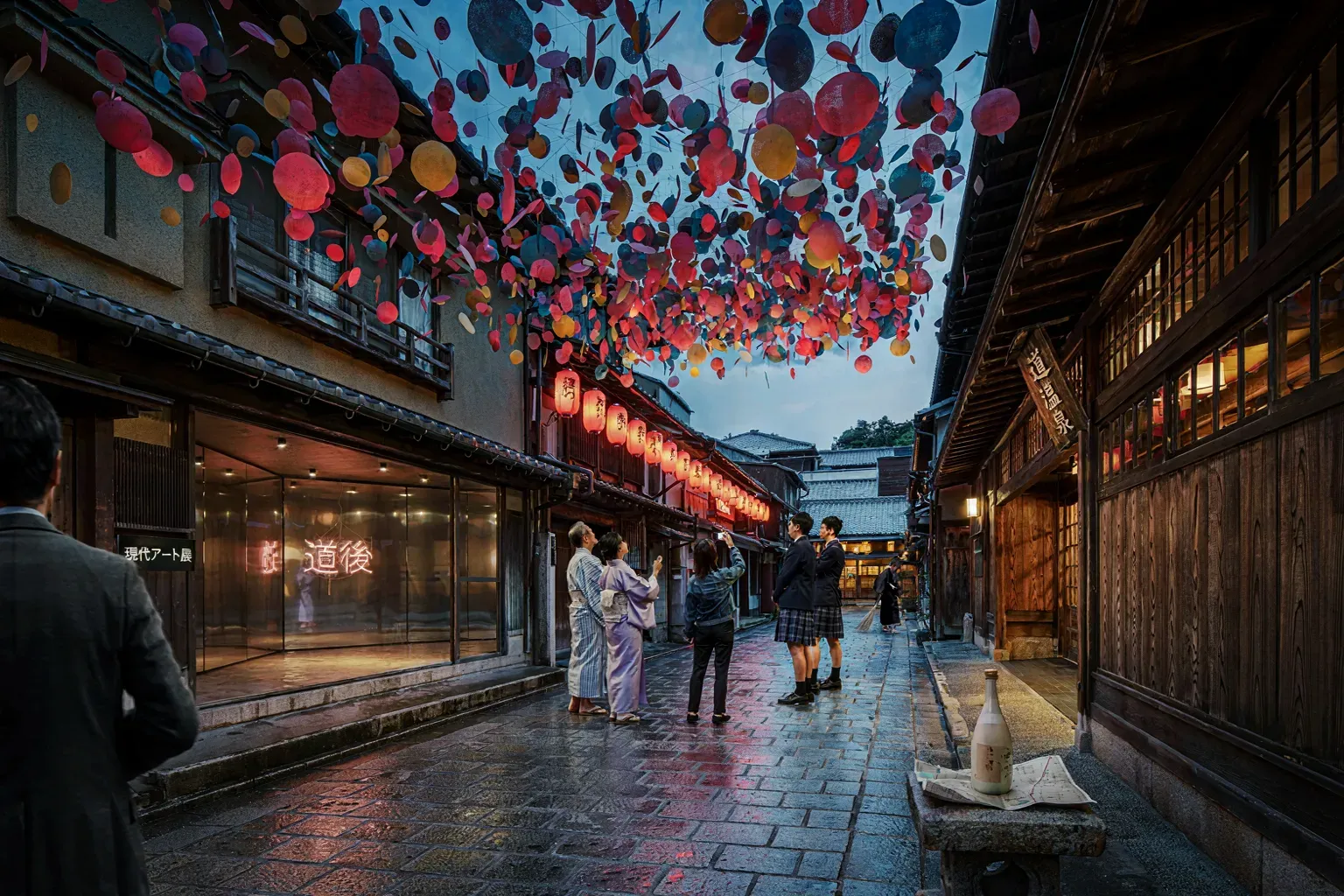
Launched as a recurring cultural initiative, the Dogo Art Project was designed to bring artists, architects, designers, and local residents together in a shared creative environment. Rather than confining exhibitions to conventional museums, organizers integrated artwork directly into the community. Streets, hotels, public spaces, bathhouses, and everyday infrastructure became part of the artistic experience. This approach helped create an immersive atmosphere where visitors could encounter contemporary art while exploring one of Japan’s most historic destinations.
One of the project's most recognized initiatives was the "Hotel Horizontal" series. Instead of displaying artwork on gallery walls, organizers invited prominent Japanese creators to redesign entire hotel rooms. These installations transformed accommodations into inhabitable works of art. Photographer Mika Ninagawa, known internationally for her vivid colors and dreamlike imagery, created highly immersive environments that blurred the line between hospitality and exhibition space. Artist Akira Yamaguchi contributed his own distinctive interpretations, allowing guests to experience contemporary art not simply as observers but as participants living within the installations.
The project also emphasized long-term community engagement. A major milestone was the creation of Himitsu Janai Base, or "Not-a-Secret Base," designed by architect Itsuki Matsumoto. Located in Dogo's historic district, the open-air wooden structure serves as a permanent cultural hub for workshops, artist residencies, local gatherings, and visitor interaction. Its innovative design received a Good Design Award, reflecting the project's commitment to creating lasting infrastructure rather than temporary exhibitions alone. The structure remains one of the most visible physical legacies of Dogo Art and continues to support community-centered cultural activities.
Inclusivity has been another defining feature of the initiative. Alongside established artists and nationally recognized creators, Dogo Art has regularly showcased works from local residents and community groups. Programs featuring artwork by individuals with disabilities have expanded participation beyond traditional art circles, reinforcing the project's goal of making creativity accessible throughout the region. These exhibitions have helped strengthen connections between visitors and the local community while highlighting diverse artistic perspectives.
The festival has also benefited from collaborations with influential figures in Japanese contemporary art, including artist Katsuhiko Hibino and other respected cultural contributors. Their participation helped elevate Dogo Art's profile while drawing attention to Matsuyama as a destination where historical heritage and contemporary creativity can coexist. The project's success mirrors a broader trend across Japan, where regional communities increasingly use cultural initiatives to support tourism, preserve local identity, and encourage economic development.
Today, the Dogo Art Project stands as one of Japan's most distinctive examples of place-based contemporary art. By transforming hotel rooms, public spaces, and community infrastructure into artistic experiences, the initiative has created a model that differs from traditional festivals and museum exhibitions. Visitors can soak in centuries-old hot springs, stay inside artist-designed accommodations, and engage directly with creative installations woven into daily life.
As Dogo Onsen continues to welcome travelers from around the world, the Dogo Art Project demonstrates how historic destinations can embrace innovation without losing their cultural roots. The result is a unique fusion of tradition and contemporary expression that has helped redefine one of Japan's most famous hot spring districts for a new generation.