Blab Entertainment
Washington, Iowas State Theatre: The Worlds Oldest Continuously Operating Cinema
When the first film flickered on the screen in Washington, Iowa, on May 14, 1897, it set the stage for a legacy that would span more than a century. The State Theatre, now a Guinness World Record holder, has shown movies without interruption for over 130 years.
The venue began as the Graham Opera House, rebuilt in 1893 after a fire destroyed the original structure the year before. It opened on November 27, 1893 and was renamed the State Theatre in 1931. The first motion picture shown was a Paris‑made cinematograph, and the theater has kept its projector running through two world wars, the Great Depression, and the COVID‑19 pandemic.
In April 2016, Guinness World Records officially certified the State Theatre as the oldest continuously operating cinema. The record is based on the theater’s uninterrupted showings since 1897, a fact the venue’s staff and local community celebrate.
Owned and operated by Fridley Theatres—a company that runs several other Iowa venues, including theaters in Decorah, Grinnell, and Marshalltown—the Washington location currently screens mainstream releases such as Sonic the Hedgehog 2 and is slated to switch to The Bad Guys when that film is released.
Assistant manager Daniella Brown, a Washington native who has worked at the theater since 2017, says the venue feels like a “home away from home.” Brown notes that the record draws visitors from out of state, and the theater’s family‑oriented atmosphere keeps people returning.
General Manager Brenda Myers echoes that sentiment. Myers says the theater’s distinction “extends far beyond Iowa” and that the community’s support keeps the projector running. She points out that the theater draws hundreds of patrons each week; in the summer, a single day saw nearly 350 visitors.
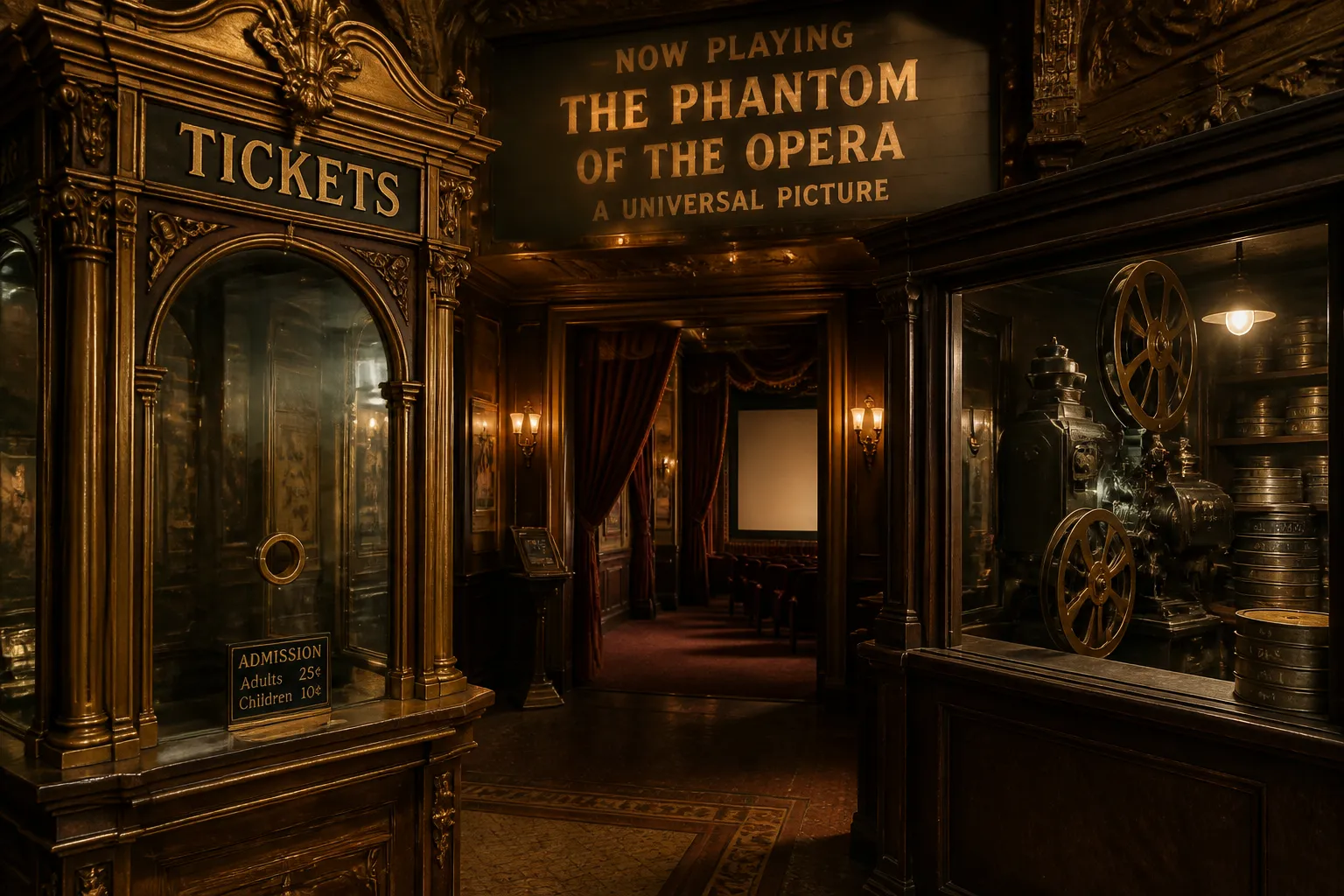
The State Theatre’s interior still reflects its opera‑house origins. Dressing rooms from the Graham era remain, and the original stage—once used for operatic performances—has been replaced by a screen. Myers explains that the stage “has given way to the silver screen,” yet the backstage area still carries the legacy of the theater’s early days.
The theater’s longevity is a testament to both its historical significance and its adaptability. It has survived economic downturns, technological shifts from silent films to sound and later digital projection, and public health crises. Its continued operation provides a living link to the early days of cinema and offers a unique cultural experience for the Washington community.
The State Theatre’s record has also positioned it as a point of interest for film historians and tourists. According to local officials, the theater’s status as the world’s oldest continuously operating cinema is a source of pride for Washington and a draw for visitors seeking a glimpse of early 20th‑century movie‑going.
Looking ahead, Myers says she does not expect the theater to close. She believes the community will continue to support the venue, and that the theater will remain a fixture in Washington for the foreseeable future.
The State Theatre’s story illustrates how a single venue can encapsulate the evolution of cinema while maintaining its original charm. As the world’s oldest continuously operating cinema, it stands as a living monument to the enduring appeal of film.
The venue began as the Graham Opera House, rebuilt in 1893 after a fire destroyed the original structure the year before. It opened on November 27, 1893 and was renamed the State Theatre in 1931. The first motion picture shown was a Paris‑made cinematograph, and the theater has kept its projector running through two world wars, the Great Depression, and the COVID‑19 pandemic.
In April 2016, Guinness World Records officially certified the State Theatre as the oldest continuously operating cinema. The record is based on the theater’s uninterrupted showings since 1897, a fact the venue’s staff and local community celebrate.
Owned and operated by Fridley Theatres—a company that runs several other Iowa venues, including theaters in Decorah, Grinnell, and Marshalltown—the Washington location currently screens mainstream releases such as Sonic the Hedgehog 2 and is slated to switch to The Bad Guys when that film is released.
Assistant manager Daniella Brown, a Washington native who has worked at the theater since 2017, says the venue feels like a “home away from home.” Brown notes that the record draws visitors from out of state, and the theater’s family‑oriented atmosphere keeps people returning.
General Manager Brenda Myers echoes that sentiment. Myers says the theater’s distinction “extends far beyond Iowa” and that the community’s support keeps the projector running. She points out that the theater draws hundreds of patrons each week; in the summer, a single day saw nearly 350 visitors.
The State Theatre’s interior still reflects its opera‑house origins. Dressing rooms from the Graham era remain, and the original stage—once used for operatic performances—has been replaced by a screen. Myers explains that the stage “has given way to the silver screen,” yet the backstage area still carries the legacy of the theater’s early days.
The theater’s longevity is a testament to both its historical significance and its adaptability. It has survived economic downturns, technological shifts from silent films to sound and later digital projection, and public health crises. Its continued operation provides a living link to the early days of cinema and offers a unique cultural experience for the Washington community.
The State Theatre’s record has also positioned it as a point of interest for film historians and tourists. According to local officials, the theater’s status as the world’s oldest continuously operating cinema is a source of pride for Washington and a draw for visitors seeking a glimpse of early 20th‑century movie‑going.
Looking ahead, Myers says she does not expect the theater to close. She believes the community will continue to support the venue, and that the theater will remain a fixture in Washington for the foreseeable future.
The State Theatre’s story illustrates how a single venue can encapsulate the evolution of cinema while maintaining its original charm. As the world’s oldest continuously operating cinema, it stands as a living monument to the enduring appeal of film.