Blab Entertainment
Ha Youngs Great-Grandfather Controversy Forces Cancellation of Jung Hae-ins Netflix Press Interview
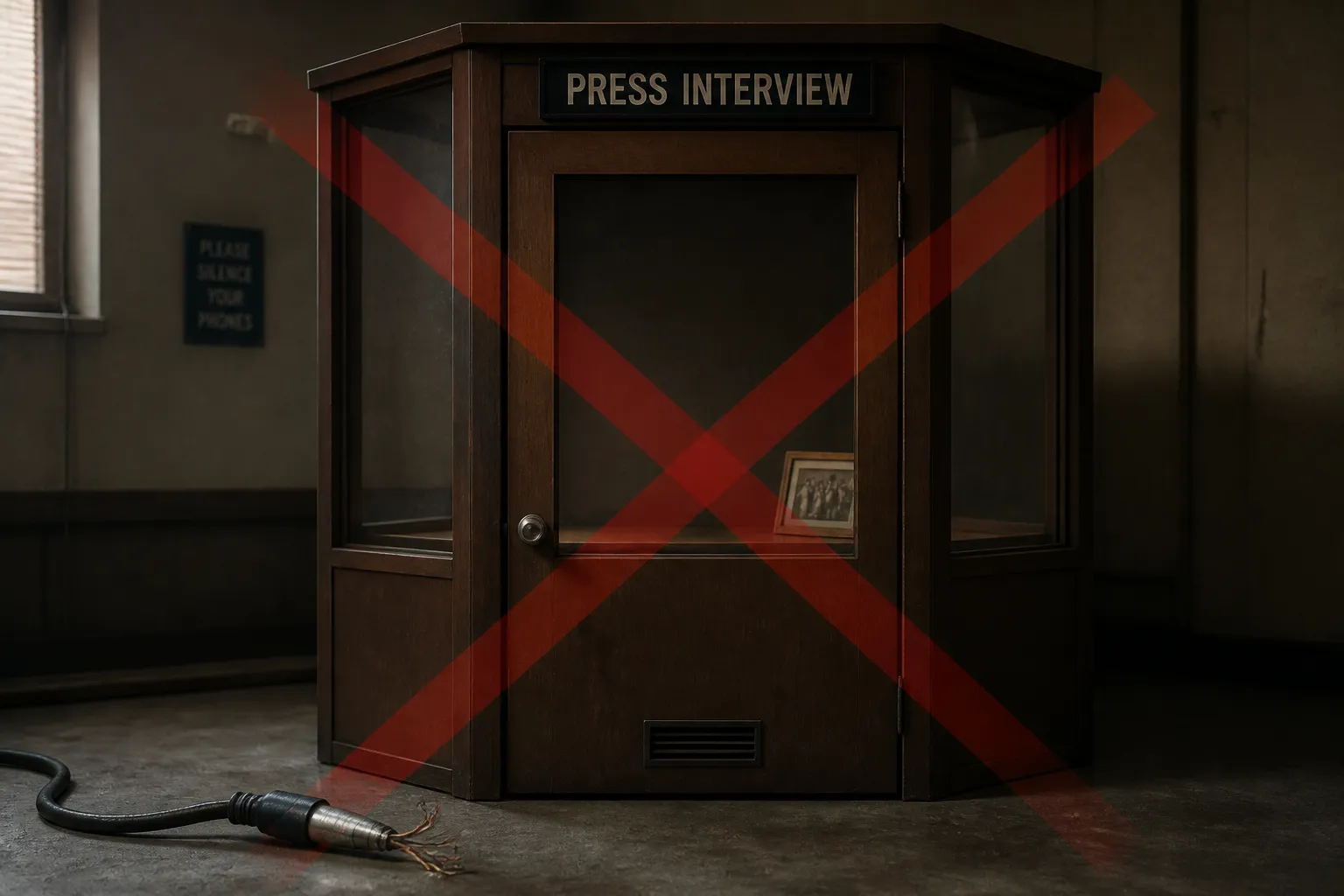
A family past has taken center stage in Seoul’s entertainment scene, forcing Netflix to pull a key promotional event for its new Korean drama Our Sticky Love. The fallout began when actress Ha Young’s great‑grandfather, Ahn Sang‑ho, was revealed to have been a member of the Daejeong Industrial Friendship Association, a pro‑Japanese organization active during Korea’s colonial period. The revelation sparked a wave of criticism that ultimately led to the cancellation of a scheduled press interview for co‑star Jung Hae‑in on August 14.
Ha Young—born Ahn Ha‑young on August 11 1993—started as a model before breaking into acting in 2019. She has since appeared in a string of television projects, most recently the 2025 series The Trauma Code: Heroes on Call. The controversy erupted when Ha Young appeared on a variety show and discussed her family lineage, inadvertently drawing attention to her great‑grandfather’s historical record. Ahn Sang‑ho, who earned the distinction of being the first Korean to obtain a Japanese medical license in 1902, was also identified as a member of the Daejeong Industrial Friendship Association.
In response to the backlash, Ha Young issued a handwritten apology on August 12, expressing sincere regret for the allegations linked to her ancestor. Her agency confirmed the apology and acknowledged the historical record of Ahn Sang‑ho. The actor’s father also addressed the issue publicly, but his statements intensified criticism from the public.
The fallout reached the promotion calendar of Our Sticky Love. The series, which premiered worldwide on Netflix on August 7, follows prosecutor Go Eun‑sae (Ha Young) who suffers from amnesia and Jang Tae‑ha (Jung Hae‑in), a former boxer who pretends to be her boyfriend to protect her from a crime syndicate. Already a top Korean drama on the platform, the show had garnered strong early viewership metrics. Netflix confirmed that the interview was canceled because the controversy made it difficult to proceed, citing a need to avoid further distraction from the drama’s promotion.
The incident underscores how historical controversies can shape the marketing and public reception of Korean entertainment products. In recent years, several Korean actors and productions have faced scrutiny over family ties to figures involved in Japan’s colonial administration. Public sensitivity to such matters remains high, and media companies often adjust promotional activities in response.
For Netflix, the cancellation reflects a cautious approach to managing potential reputational risks. The platform has previously navigated similar situations by postponing or reshaping promotional events. Meanwhile, Jung Hae‑in’s production team has indicated that the series will continue to be promoted through other channels, including behind‑the‑scenes footage and fan‑meetings.
At present, Ha Young’s apology has been accepted by her agency, but the broader public debate continues. No formal legal action has been announced, and the controversy has not yet impacted the series’ viewership numbers. The drama remains available on Netflix, and the production company has not announced any changes to the release schedule.
In summary, the controversy surrounding Ha Young’s great‑grandfather has led to the cancellation of a scheduled press interview for Our Sticky Love. The incident highlights the sensitivity of historical issues in Korean media and the careful handling required by streaming platforms when public sentiment is involved. The series continues to be streamed globally, and no further disruptions to its promotion have been reported as of this writing.
Ha Young—born Ahn Ha‑young on August 11 1993—started as a model before breaking into acting in 2019. She has since appeared in a string of television projects, most recently the 2025 series The Trauma Code: Heroes on Call. The controversy erupted when Ha Young appeared on a variety show and discussed her family lineage, inadvertently drawing attention to her great‑grandfather’s historical record. Ahn Sang‑ho, who earned the distinction of being the first Korean to obtain a Japanese medical license in 1902, was also identified as a member of the Daejeong Industrial Friendship Association.
In response to the backlash, Ha Young issued a handwritten apology on August 12, expressing sincere regret for the allegations linked to her ancestor. Her agency confirmed the apology and acknowledged the historical record of Ahn Sang‑ho. The actor’s father also addressed the issue publicly, but his statements intensified criticism from the public.
The fallout reached the promotion calendar of Our Sticky Love. The series, which premiered worldwide on Netflix on August 7, follows prosecutor Go Eun‑sae (Ha Young) who suffers from amnesia and Jang Tae‑ha (Jung Hae‑in), a former boxer who pretends to be her boyfriend to protect her from a crime syndicate. Already a top Korean drama on the platform, the show had garnered strong early viewership metrics. Netflix confirmed that the interview was canceled because the controversy made it difficult to proceed, citing a need to avoid further distraction from the drama’s promotion.
The incident underscores how historical controversies can shape the marketing and public reception of Korean entertainment products. In recent years, several Korean actors and productions have faced scrutiny over family ties to figures involved in Japan’s colonial administration. Public sensitivity to such matters remains high, and media companies often adjust promotional activities in response.
For Netflix, the cancellation reflects a cautious approach to managing potential reputational risks. The platform has previously navigated similar situations by postponing or reshaping promotional events. Meanwhile, Jung Hae‑in’s production team has indicated that the series will continue to be promoted through other channels, including behind‑the‑scenes footage and fan‑meetings.
At present, Ha Young’s apology has been accepted by her agency, but the broader public debate continues. No formal legal action has been announced, and the controversy has not yet impacted the series’ viewership numbers. The drama remains available on Netflix, and the production company has not announced any changes to the release schedule.
In summary, the controversy surrounding Ha Young’s great‑grandfather has led to the cancellation of a scheduled press interview for Our Sticky Love. The incident highlights the sensitivity of historical issues in Korean media and the careful handling required by streaming platforms when public sentiment is involved. The series continues to be streamed globally, and no further disruptions to its promotion have been reported as of this writing.