Blab Entertainment
Tom Hanks Warns Disney About AI-Generated Woody Voice After Toy Story 5s Record Opening
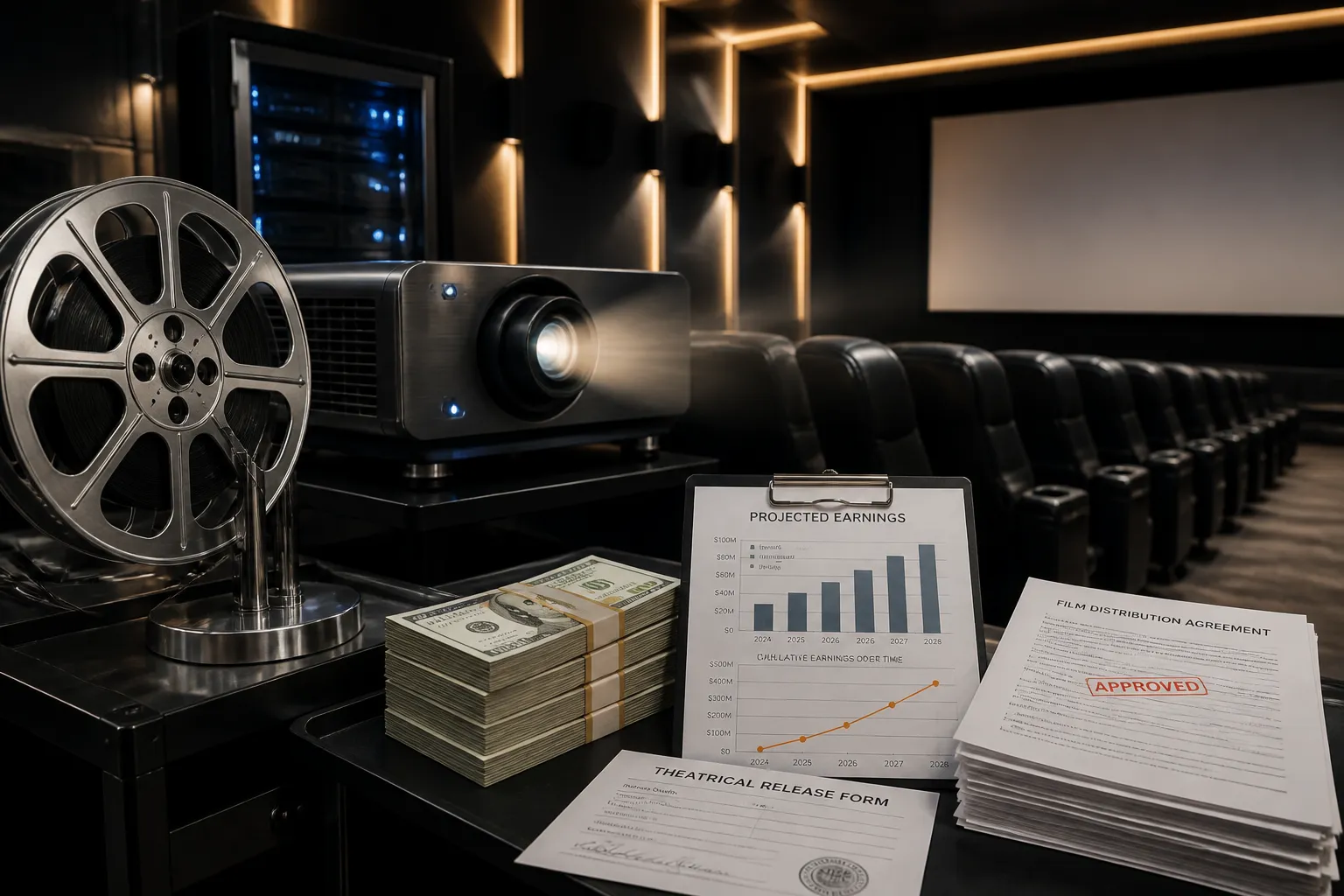
Tom Hanks has publicly expressed concern that Disney could use artificial‑intelligence tools to recreate his voice as Woody in future Toy Story films, even if he chooses not to return. The warning comes after the release of Toy Story 5, which opened to a franchise‑record worldwide gross of $312 million, according to Variety. The film also earned $160 million in its domestic opening weekend, the highest debut in the series.
During a Washington interview, Hanks said, “If you’re gonna do another ‘Toy Story,’ it better be worthwhile.” He added that the new installment must offer fresh themes and not merely rely on the brand’s name. The actor did not rule out a return for a potential sixth film but noted that advances in AI could allow Disney to generate new performances of Woody from existing recordings. “Every word we have ever recorded in time in ‘Toy Story’ is on digital media somewhere, so they could put together anything they would want,” he said, as quoted by Variety.
Hanks’ comments echo concerns voiced by co‑star Tim Allen, who also voices Buzz Lightyear. Both actors described the possibility of AI‑generated performances as “a scary thought.” Variety reported that the pair highlighted the creative and legal questions that arise when a character’s voice can be reproduced without the original actor’s participation.
The actor’s apprehensions are rooted in his earlier experience with computer‑generated imagery. In a separate interview, Hanks recalled working on The Polar Express (2004), a film that relied heavily on data‑driven animation. He said, “The first time we did a movie that had a huge amount of our own data locked in a computer, literally what we looked like, was a movie called The Polar Express.” He added that the technology has “grown a billion‑fold since then and we see it everywhere.” Variety noted that Hanks sees AI as a tool that could allow actors to continue appearing on screen long after their deaths, raising both artistic and legal challenges.
According to Variety, Hanks warned that modern AI tools could enable actors to be “recreated at any age they are” and that performances could “go on and on.” He emphasized that “outside the understanding of AI and deepfake, there’ll be nothing to tell you that it’s not me and me alone.” The actor described the potential use of AI as an artistic challenge and a legal one, noting that “anyone can now recreate themselves at any age they are by way of AI or deepfake technology.”
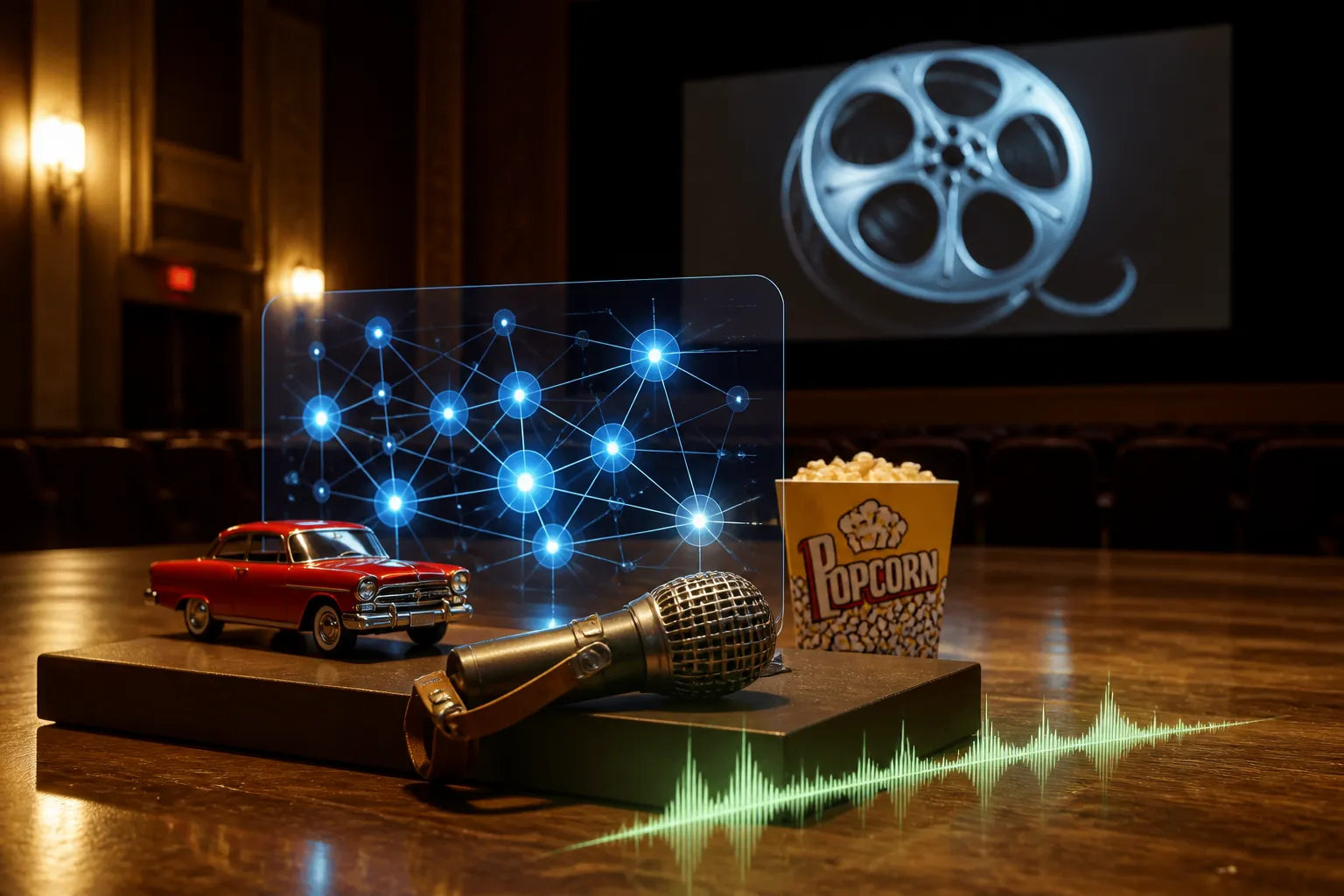
The conversation highlights a broader industry debate about the use of deepfake and AI technology in animation and live‑action projects. Disney and Pixar’s Toy Story franchise has long relied on voice talent to give characters personality, and the prospect of AI‑generated voices could alter the way studios approach casting and post‑production. While the company has not issued a statement on the matter, Variety’s coverage suggests that the issue is gaining attention among performers and industry insiders.
Toy Story 5 remains in theaters nationwide, and its box‑office success underscores the franchise’s continued commercial viability. Whether Disney will pursue AI‑generated voice work for future installments remains to be seen, but Hanks’ remarks have already sparked discussion about the ethical and legal implications of recreating actors’ performances without their direct involvement.
The situation remains fluid. Disney has not confirmed any plans to use AI for Woody’s voice, and Hanks has not ruled out a return for future films. The industry will likely monitor how studios navigate the intersection of technology, performance rights, and audience expectations in the coming months.
During a Washington interview, Hanks said, “If you’re gonna do another ‘Toy Story,’ it better be worthwhile.” He added that the new installment must offer fresh themes and not merely rely on the brand’s name. The actor did not rule out a return for a potential sixth film but noted that advances in AI could allow Disney to generate new performances of Woody from existing recordings. “Every word we have ever recorded in time in ‘Toy Story’ is on digital media somewhere, so they could put together anything they would want,” he said, as quoted by Variety.
Hanks’ comments echo concerns voiced by co‑star Tim Allen, who also voices Buzz Lightyear. Both actors described the possibility of AI‑generated performances as “a scary thought.” Variety reported that the pair highlighted the creative and legal questions that arise when a character’s voice can be reproduced without the original actor’s participation.
The actor’s apprehensions are rooted in his earlier experience with computer‑generated imagery. In a separate interview, Hanks recalled working on The Polar Express (2004), a film that relied heavily on data‑driven animation. He said, “The first time we did a movie that had a huge amount of our own data locked in a computer, literally what we looked like, was a movie called The Polar Express.” He added that the technology has “grown a billion‑fold since then and we see it everywhere.” Variety noted that Hanks sees AI as a tool that could allow actors to continue appearing on screen long after their deaths, raising both artistic and legal challenges.
According to Variety, Hanks warned that modern AI tools could enable actors to be “recreated at any age they are” and that performances could “go on and on.” He emphasized that “outside the understanding of AI and deepfake, there’ll be nothing to tell you that it’s not me and me alone.” The actor described the potential use of AI as an artistic challenge and a legal one, noting that “anyone can now recreate themselves at any age they are by way of AI or deepfake technology.”
The conversation highlights a broader industry debate about the use of deepfake and AI technology in animation and live‑action projects. Disney and Pixar’s Toy Story franchise has long relied on voice talent to give characters personality, and the prospect of AI‑generated voices could alter the way studios approach casting and post‑production. While the company has not issued a statement on the matter, Variety’s coverage suggests that the issue is gaining attention among performers and industry insiders.
Toy Story 5 remains in theaters nationwide, and its box‑office success underscores the franchise’s continued commercial viability. Whether Disney will pursue AI‑generated voice work for future installments remains to be seen, but Hanks’ remarks have already sparked discussion about the ethical and legal implications of recreating actors’ performances without their direct involvement.
The situation remains fluid. Disney has not confirmed any plans to use AI for Woody’s voice, and Hanks has not ruled out a return for future films. The industry will likely monitor how studios navigate the intersection of technology, performance rights, and audience expectations in the coming months.