Blab Entertainment
Google Invests $75 Million in A24 to Develop AI-Powered Filmmaking Tools
Google’s latest move into creative tech sends a clear signal: the future of independent cinema may be built, at least in part, on silicon.
On 22 June 2026, the company announced a $75 million stake in Los Angeles‑based studio A24, a partnership that will pair the studio’s creative instincts with Google’s DeepMind AI team. The goal is to produce tools that can automatically generate storyboards, visual effects and other pre‑production assets, turning the long, costly process of film creation into a faster, more cost‑effective workflow.
A24, founded in 2012 by Daniel Katz, David Fenkel and John Hodges, has become a darling of arthouse and cult‑film audiences. Its catalog boasts Moonlight, Hereditary and Everything Everywhere All at Once, while the 2026 release Backrooms turned a modest $10 million budget into a $277 million global hit. That film set a new record for the fastest independent movie to reach $100 million in North America and delivered the studio’s biggest domestic opening to date.
The new venture, dubbed A24Labs, is meant to harness AI’s speed and low cost. A Variety article quoted the studio’s intent as “use AI to produce cheap, fast movies without getting people involved.” The idea is to let the machine do the heavy lifting while human talent—such as actor Timothée Chalamet and YouTuber‑turned‑director Kane Parsons, who helmed Backrooms—focus on the creative heart of the story.
Even with Backrooms’s triumph, A24’s recent slate has been uneven. The Death of Robin Hood opened to $2.6 million in June, while How to Make a Killing, Pillion and The Moment have earned modest sums since January. The studio’s next theatrical outing, The Invite, is seen as a chance to revive box‑office momentum.
Industry observers warn that the partnership could reshape labor conversations. The Wall Street Journal highlighted the potential for AI to alter the roles of writers, directors and other creatives, and A24’s move may prompt negotiations over labor protections and residuals for AI‑assisted productions. SAG‑AFTRA and other guilds are already watching closely.
Google’s investment is part of a larger Alphabet strategy to embed AI across its portfolio. The company has already pledged up to $40 billion to Anthropic and announced a $40 billion AI research budget. The DeepMind collaboration with A24 is a concrete step toward turning generative models into everyday production tools.
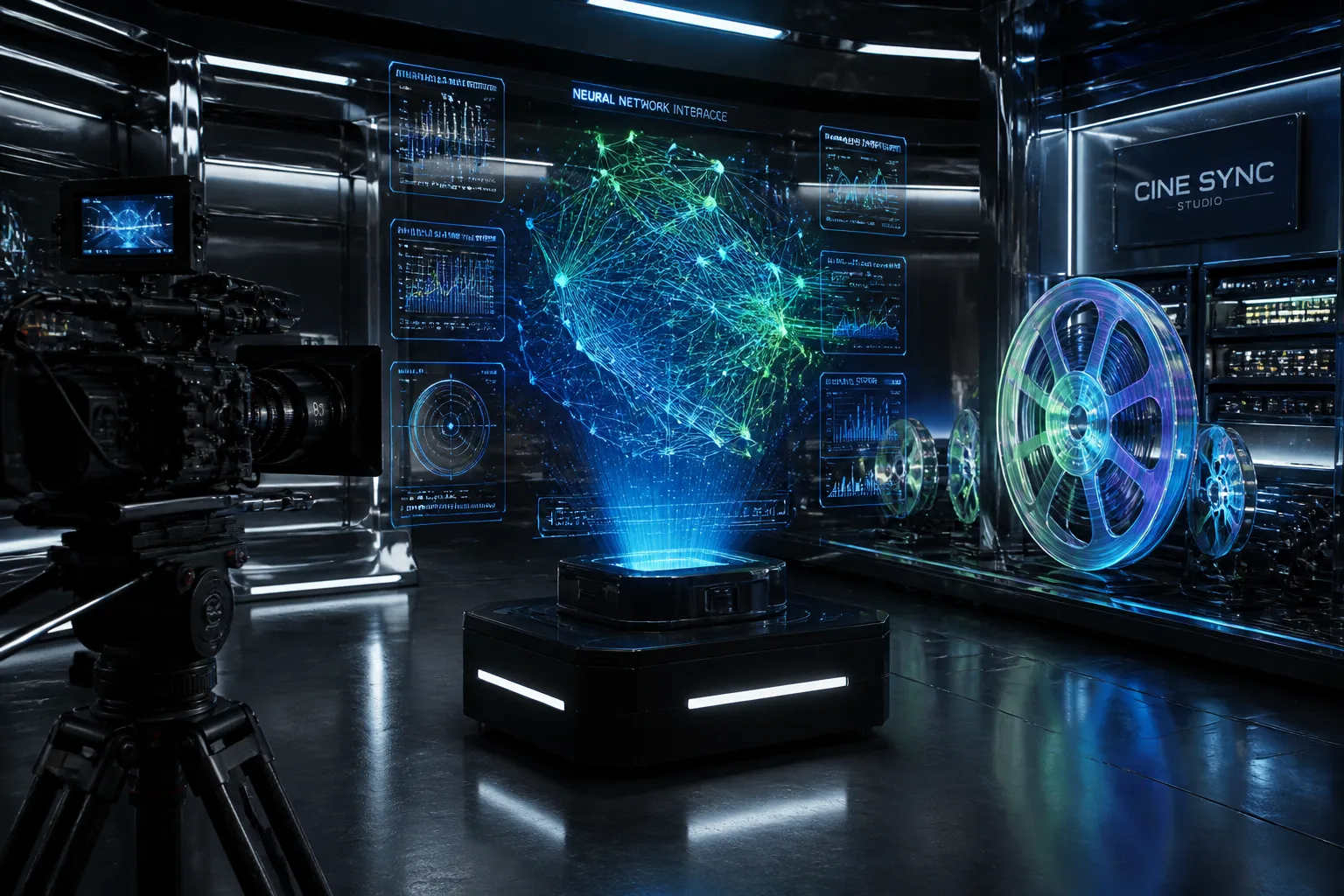
Technically, the partnership will employ DeepMind’s generative models to create visual concepts, animatics and even preliminary sound design. A24’s production teams will pilot the tools on upcoming projects, aiming to slash pre‑production time and costs.
Yet the initiative raises intellectual‑property and creative‑control questions. A24 has historically maintained close relationships with its filmmakers, and studio leadership has emphasized the importance of human oversight in the creative process.
At this stage, no release dates have been set for projects that will use the new AI tools. A24’s schedule includes The Invite and several television pilots, but the studio has not disclosed whether any of these will incorporate AI‑generated content.
The partnership is still in its infancy. A24 and Google are expected to run pilot projects before scaling the technology across the studio’s full slate. The results could set a precedent for other independent studios considering AI in film production.
In short, Google’s $75 million investment marks a bold step toward integrating AI into independent filmmaking. By testing AI tools on future projects, the collaboration may reshape production workflows and influence labor discussions in Hollywood. The industry will be watching closely as A24’s next releases, including The Invite, roll out, to gauge the impact of these emerging technologies on both creative output and commercial performance.
On 22 June 2026, the company announced a $75 million stake in Los Angeles‑based studio A24, a partnership that will pair the studio’s creative instincts with Google’s DeepMind AI team. The goal is to produce tools that can automatically generate storyboards, visual effects and other pre‑production assets, turning the long, costly process of film creation into a faster, more cost‑effective workflow.
A24, founded in 2012 by Daniel Katz, David Fenkel and John Hodges, has become a darling of arthouse and cult‑film audiences. Its catalog boasts Moonlight, Hereditary and Everything Everywhere All at Once, while the 2026 release Backrooms turned a modest $10 million budget into a $277 million global hit. That film set a new record for the fastest independent movie to reach $100 million in North America and delivered the studio’s biggest domestic opening to date.
The new venture, dubbed A24Labs, is meant to harness AI’s speed and low cost. A Variety article quoted the studio’s intent as “use AI to produce cheap, fast movies without getting people involved.” The idea is to let the machine do the heavy lifting while human talent—such as actor Timothée Chalamet and YouTuber‑turned‑director Kane Parsons, who helmed Backrooms—focus on the creative heart of the story.
Even with Backrooms’s triumph, A24’s recent slate has been uneven. The Death of Robin Hood opened to $2.6 million in June, while How to Make a Killing, Pillion and The Moment have earned modest sums since January. The studio’s next theatrical outing, The Invite, is seen as a chance to revive box‑office momentum.
Industry observers warn that the partnership could reshape labor conversations. The Wall Street Journal highlighted the potential for AI to alter the roles of writers, directors and other creatives, and A24’s move may prompt negotiations over labor protections and residuals for AI‑assisted productions. SAG‑AFTRA and other guilds are already watching closely.
Google’s investment is part of a larger Alphabet strategy to embed AI across its portfolio. The company has already pledged up to $40 billion to Anthropic and announced a $40 billion AI research budget. The DeepMind collaboration with A24 is a concrete step toward turning generative models into everyday production tools.
Technically, the partnership will employ DeepMind’s generative models to create visual concepts, animatics and even preliminary sound design. A24’s production teams will pilot the tools on upcoming projects, aiming to slash pre‑production time and costs.
Yet the initiative raises intellectual‑property and creative‑control questions. A24 has historically maintained close relationships with its filmmakers, and studio leadership has emphasized the importance of human oversight in the creative process.
At this stage, no release dates have been set for projects that will use the new AI tools. A24’s schedule includes The Invite and several television pilots, but the studio has not disclosed whether any of these will incorporate AI‑generated content.
The partnership is still in its infancy. A24 and Google are expected to run pilot projects before scaling the technology across the studio’s full slate. The results could set a precedent for other independent studios considering AI in film production.
In short, Google’s $75 million investment marks a bold step toward integrating AI into independent filmmaking. By testing AI tools on future projects, the collaboration may reshape production workflows and influence labor discussions in Hollywood. The industry will be watching closely as A24’s next releases, including The Invite, roll out, to gauge the impact of these emerging technologies on both creative output and commercial performance.