Blab Entertainment
Amazons Digital Licensing Model Faces Legal and Consumer Pushback as Physical Media Remains Tangible Asset
Amazon’s recent legal battle over the word “buy” has turned a streaming platform into a courtroom drama. In August 2025, a proposed class action filed by a group of consumers alleged that Amazon Prime Video’s use of “buy” or “purchase” misleads viewers into thinking they own a permanent copy of movies and shows. The suit, reported by the Hollywood Reporter and other outlets, claims that Amazon’s Terms of Use grant only a limited, revocable license that can be withdrawn if the company loses a distribution agreement.
The complaint points to the language presented at the point of sale: “purchasers obtain only a limited license to view video content and that purchased content may become unavailable due to provider license restriction or other reasons.” According to the lawsuit, Amazon’s marketing materials do not clearly disclose that the content is subject to third‑party licensing and may disappear from a user’s library. While the case is still pending, it underscores a broader industry debate about the nature of digital ownership.
Amazon’s licensing headaches are not confined to video. In 2009 the company removed electronic copies of George Orwell’s 1984 and Animal Farm from Kindle devices after discovering that the editions had been sold by a publisher that lacked proper rights. The Guardian and other news outlets reported that Amazon refunded customers and announced the titles were no longer available for purchase. The incident illustrated how a digital platform can revoke access to content that a user has already paid for.
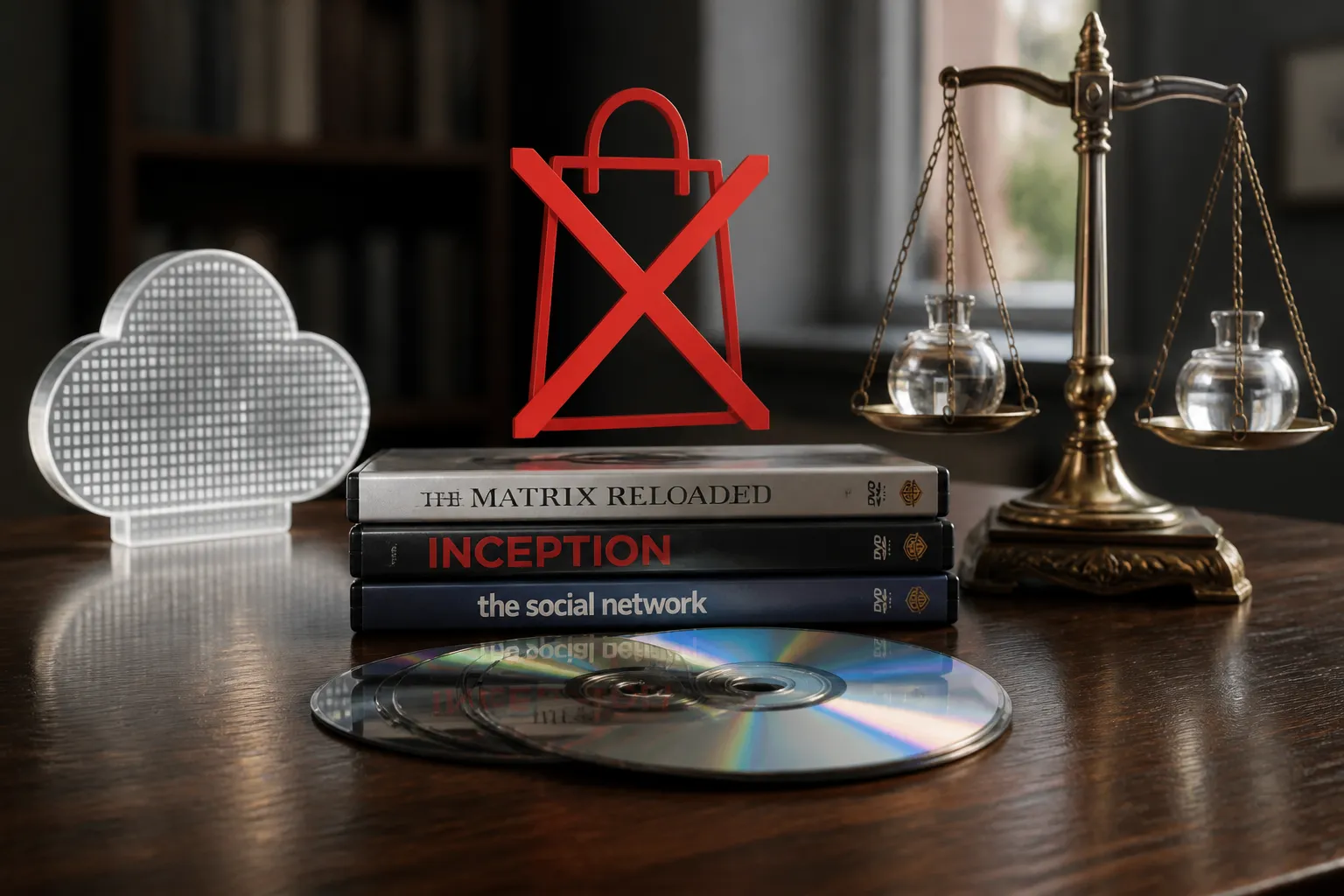
Physical media, by contrast, offers a tangible asset that consumers can keep indefinitely. A Looper article that prompted this report notes that DVDs and CDs are subject to wear and space constraints, but they also provide permanent ownership that is not tied to a licensing agreement. Physical releases often include bonus features such as commentary tracks that are not always available in digital formats.
The ownership debate extends beyond entertainment. In 2017 Nebraska farmers lost the right to repair their own John Deere tractors because the manufacturer restricts repair to authorized dealers. The Nebraska Legislature’s Right to Repair Act (LB67) was introduced in 2017 to address such restrictions, but the bill stalled. A 2026 article in The Western Producer notes that John Deere’s policy prevented a farmer from disabling an alarm that sounded every ten minutes, forcing the farmer to tolerate the nuisance for a year.
John Deere’s stance reflects a broader trend of manufacturers controlling software that powers physical appliances. Smart refrigerators, ovens, and other connected devices often rely on proprietary firmware that a company can license or revoke. This model raises questions about whether consumers truly own the hardware if they cannot modify or repair it without the manufacturer’s permission.
The legal and regulatory landscape is evolving. The 2025 lawsuit against Amazon Prime Video is one of several consumer‑rights cases that challenge the assumption that digital purchases equal ownership. Meanwhile, state‑level right‑to‑repair legislation, such as Nebraska’s LB67, seeks to restore repair autonomy for consumers. Both movements highlight a growing demand for clarity about what consumers actually acquire when they pay for digital or physical products.
As streaming services continue to expand, the industry must address how licensing terms are communicated and how consumers can protect their rights. The outcome of Amazon’s lawsuit and the progress of right‑to‑repair bills will likely shape future practices for both digital content providers and manufacturers of connected appliances.
The complaint points to the language presented at the point of sale: “purchasers obtain only a limited license to view video content and that purchased content may become unavailable due to provider license restriction or other reasons.” According to the lawsuit, Amazon’s marketing materials do not clearly disclose that the content is subject to third‑party licensing and may disappear from a user’s library. While the case is still pending, it underscores a broader industry debate about the nature of digital ownership.
Amazon’s licensing headaches are not confined to video. In 2009 the company removed electronic copies of George Orwell’s 1984 and Animal Farm from Kindle devices after discovering that the editions had been sold by a publisher that lacked proper rights. The Guardian and other news outlets reported that Amazon refunded customers and announced the titles were no longer available for purchase. The incident illustrated how a digital platform can revoke access to content that a user has already paid for.
Physical media, by contrast, offers a tangible asset that consumers can keep indefinitely. A Looper article that prompted this report notes that DVDs and CDs are subject to wear and space constraints, but they also provide permanent ownership that is not tied to a licensing agreement. Physical releases often include bonus features such as commentary tracks that are not always available in digital formats.
The ownership debate extends beyond entertainment. In 2017 Nebraska farmers lost the right to repair their own John Deere tractors because the manufacturer restricts repair to authorized dealers. The Nebraska Legislature’s Right to Repair Act (LB67) was introduced in 2017 to address such restrictions, but the bill stalled. A 2026 article in The Western Producer notes that John Deere’s policy prevented a farmer from disabling an alarm that sounded every ten minutes, forcing the farmer to tolerate the nuisance for a year.
John Deere’s stance reflects a broader trend of manufacturers controlling software that powers physical appliances. Smart refrigerators, ovens, and other connected devices often rely on proprietary firmware that a company can license or revoke. This model raises questions about whether consumers truly own the hardware if they cannot modify or repair it without the manufacturer’s permission.
The legal and regulatory landscape is evolving. The 2025 lawsuit against Amazon Prime Video is one of several consumer‑rights cases that challenge the assumption that digital purchases equal ownership. Meanwhile, state‑level right‑to‑repair legislation, such as Nebraska’s LB67, seeks to restore repair autonomy for consumers. Both movements highlight a growing demand for clarity about what consumers actually acquire when they pay for digital or physical products.
As streaming services continue to expand, the industry must address how licensing terms are communicated and how consumers can protect their rights. The outcome of Amazon’s lawsuit and the progress of right‑to‑repair bills will likely shape future practices for both digital content providers and manufacturers of connected appliances.