Blab Entertainment
Green Lanterns 2011 Debut: A CGI Misstep That Foreshadowed Superhero Film Trends
When Warner Bros. rolled out Green Lantern on June 17, 2011, the studio pitched a bright, intergalactic adventure that would kick off a sprawling DC shared universe. Directed by Martin Campbell and penned by Greg Berlanti, Michael Green, Marc Guggenheim and Michael Goldenberg, the film starred Ryan Reynolds as test‑pilot Hal Jordan, who becomes the first human member of the Green Lantern Corps.
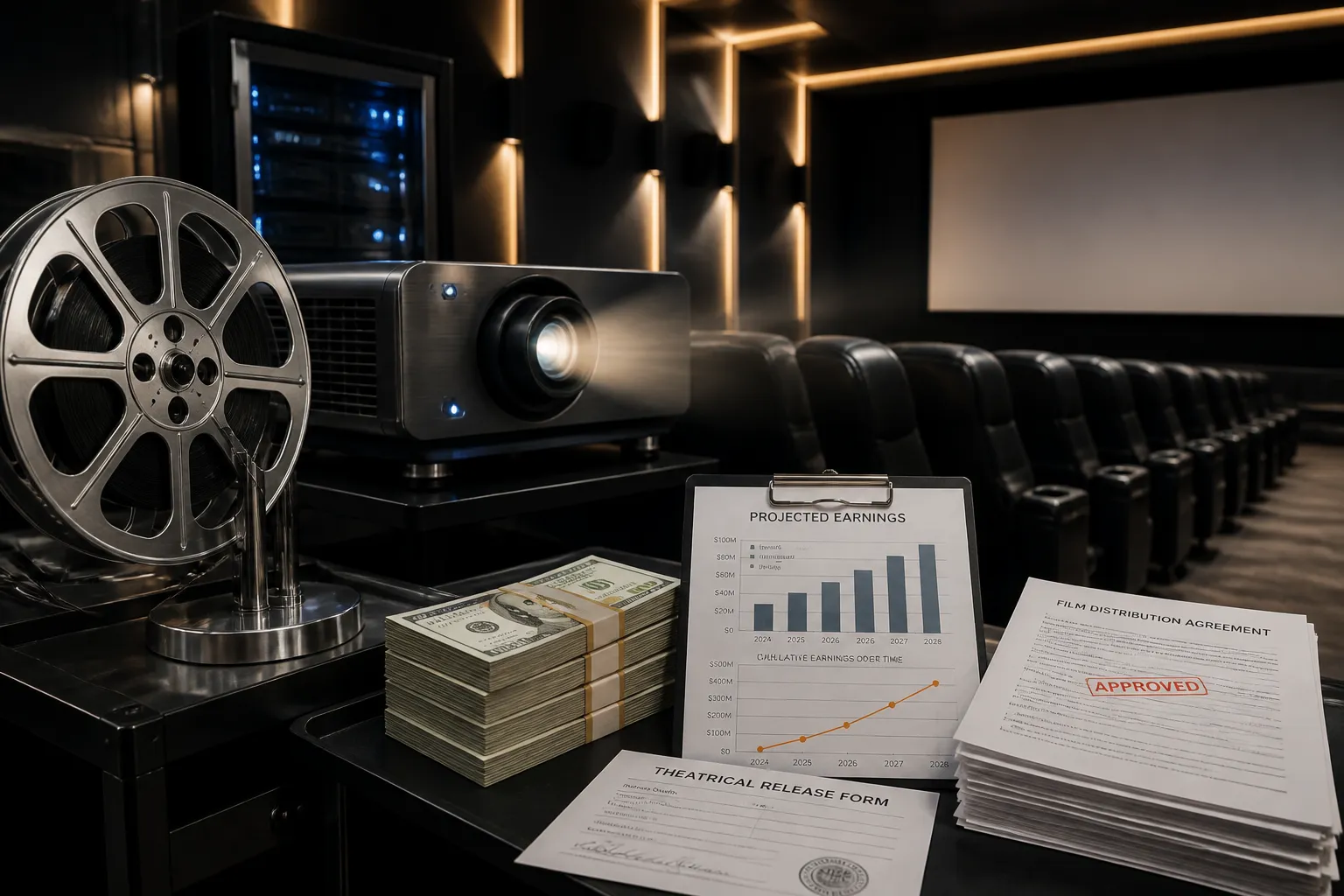
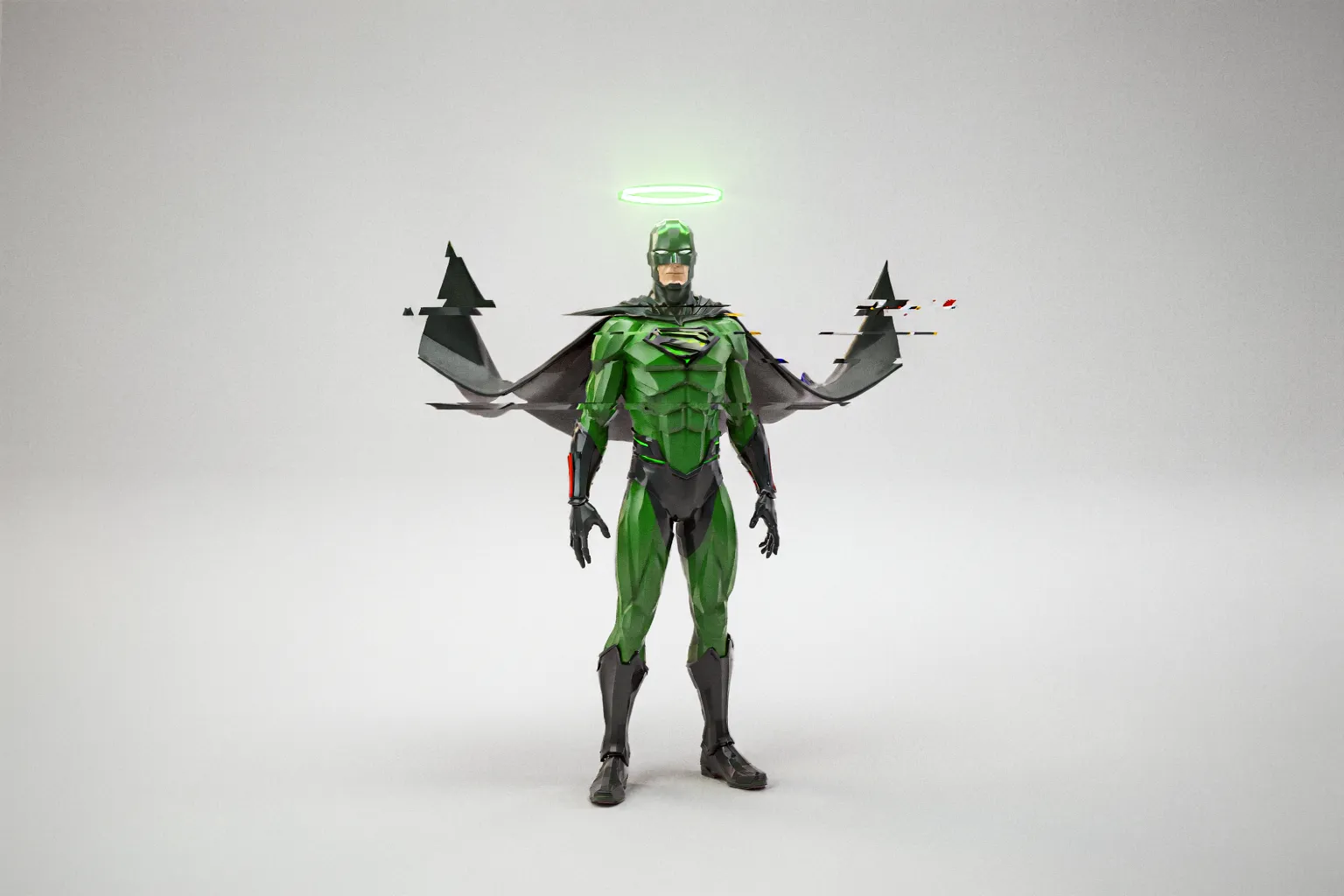
The production cost $200 million and ultimately brought in $237 million worldwide—an earnings gap that left the studio scrambling to justify the planned franchise. Critics and fans alike slammed the CGI‑only suit that cloaked Reynolds. Descriptions such as “glowing green, rippling” and “cartoonish” were common, and reviewers singled out the suit’s bright hue and individual toes as visual curiosities. The combination of the digital costume and fully CGI backgrounds turned Reynolds into a “floating head” rather than a fully integrated character.
Green Lantern was meant to launch a shared DC universe, but its commercial and critical underperformance forced Warner Bros. to abandon those plans. Instead, the studio pivoted to the DC Extended Universe (DCEU) with Man of Steel in 2013. According to the film’s Wikipedia entry, the 2011 movie was the first DC film since Catwoman (2004) not to involve Legendary Pictures, and it was converted to 3D during post‑production.
The backlash against the CGI suit reverberated beyond DC. In 2024, Spider‑Man: Brand New Day returned to a practical suit for the web‑slinger, a shift that followed a broader industry conversation about the realism of digital costumes. Marvel Studios, long reliant on CGI for its heroes, has also faced scrutiny over its visual effects. Industry observers note that the backlash against digital suits may influence future production choices, encouraging a blend of practical and digital techniques.
Despite its shortcomings, Green Lantern’s fully digital costume was ahead of its time. The film’s use of CGI for the entire suit prefigured the extensive digital work that would later become standard in superhero movies. While the technology in 2011 was limited, the concept foreshadowed the high‑definition, photorealistic effects that would dominate the genre in the decade that followed.
Within DC’s 2010s output, Green Lantern sits alongside other poorly received titles such as Suicide Squad, Justice League and The Dark Knight Rises. In contrast, films like Wonder Woman and Aquaman eventually found commercial success, though their sequels were criticized for aging poorly. The 2011 release remains a cautionary example of how a single film’s failure can derail a studio’s long‑term strategy.
Today, the DC Universe (DCU) launched in 2024 under the leadership of James Gunn and Peter Safran. While the DCU incorporates some characters from the DCEU, it represents a fresh start for the franchise. The legacy of Green Lantern persists in discussions about the balance between practical and digital effects in superhero filmmaking.
The film’s modest box‑office performance and critical reception underscore the challenges of translating comic‑book properties to the screen. As studios continue to experiment with visual effects, the lessons from Green Lantern’s 2011 debut remain relevant for filmmakers and audiences alike.
The production cost $200 million and ultimately brought in $237 million worldwide—an earnings gap that left the studio scrambling to justify the planned franchise. Critics and fans alike slammed the CGI‑only suit that cloaked Reynolds. Descriptions such as “glowing green, rippling” and “cartoonish” were common, and reviewers singled out the suit’s bright hue and individual toes as visual curiosities. The combination of the digital costume and fully CGI backgrounds turned Reynolds into a “floating head” rather than a fully integrated character.
Green Lantern was meant to launch a shared DC universe, but its commercial and critical underperformance forced Warner Bros. to abandon those plans. Instead, the studio pivoted to the DC Extended Universe (DCEU) with Man of Steel in 2013. According to the film’s Wikipedia entry, the 2011 movie was the first DC film since Catwoman (2004) not to involve Legendary Pictures, and it was converted to 3D during post‑production.
The backlash against the CGI suit reverberated beyond DC. In 2024, Spider‑Man: Brand New Day returned to a practical suit for the web‑slinger, a shift that followed a broader industry conversation about the realism of digital costumes. Marvel Studios, long reliant on CGI for its heroes, has also faced scrutiny over its visual effects. Industry observers note that the backlash against digital suits may influence future production choices, encouraging a blend of practical and digital techniques.
Despite its shortcomings, Green Lantern’s fully digital costume was ahead of its time. The film’s use of CGI for the entire suit prefigured the extensive digital work that would later become standard in superhero movies. While the technology in 2011 was limited, the concept foreshadowed the high‑definition, photorealistic effects that would dominate the genre in the decade that followed.
Within DC’s 2010s output, Green Lantern sits alongside other poorly received titles such as Suicide Squad, Justice League and The Dark Knight Rises. In contrast, films like Wonder Woman and Aquaman eventually found commercial success, though their sequels were criticized for aging poorly. The 2011 release remains a cautionary example of how a single film’s failure can derail a studio’s long‑term strategy.
Today, the DC Universe (DCU) launched in 2024 under the leadership of James Gunn and Peter Safran. While the DCU incorporates some characters from the DCEU, it represents a fresh start for the franchise. The legacy of Green Lantern persists in discussions about the balance between practical and digital effects in superhero filmmaking.
The film’s modest box‑office performance and critical reception underscore the challenges of translating comic‑book properties to the screen. As studios continue to experiment with visual effects, the lessons from Green Lantern’s 2011 debut remain relevant for filmmakers and audiences alike.