Blab Entertainment
Fort Kochis Mehboob Memorial Orchestra Keeps Malayalam Singers Legacy Alive
In a 130‑year‑old colonial building opposite Aspinwall House, the Mehboob Memorial Orchestra (MMO) echoes with the timeless melodies of H. Mehboob, the celebrated Malayalam playback singer. For 43 consecutive years—aside from a brief pause during the Covid‑19 lockdown—the MMO stages weekly gatherings and an annual tribute concert to Mohammed Rafi, breathing life into Mehboob’s music in the heart of Fort Kochi.
Born in 1926 in Mattancherry, a neighbourhood of Fort Kochi, Mehboob grew up in an impoverished family yet found a voice amid weddings, mehfils, and the shade of banyan trees. Film composers such as V. Dakshinamoorthy and K. Raghavan recognised his talent early, offering him three songs for Jeevithanouka and the hit Maanennum vilikkilla from Neelakkuyil (1954). Working with lyricists Nelson Fernandez and Meppally Balan, he recorded more than 60 songs that later became staples in mainstream Malayalam cinema.
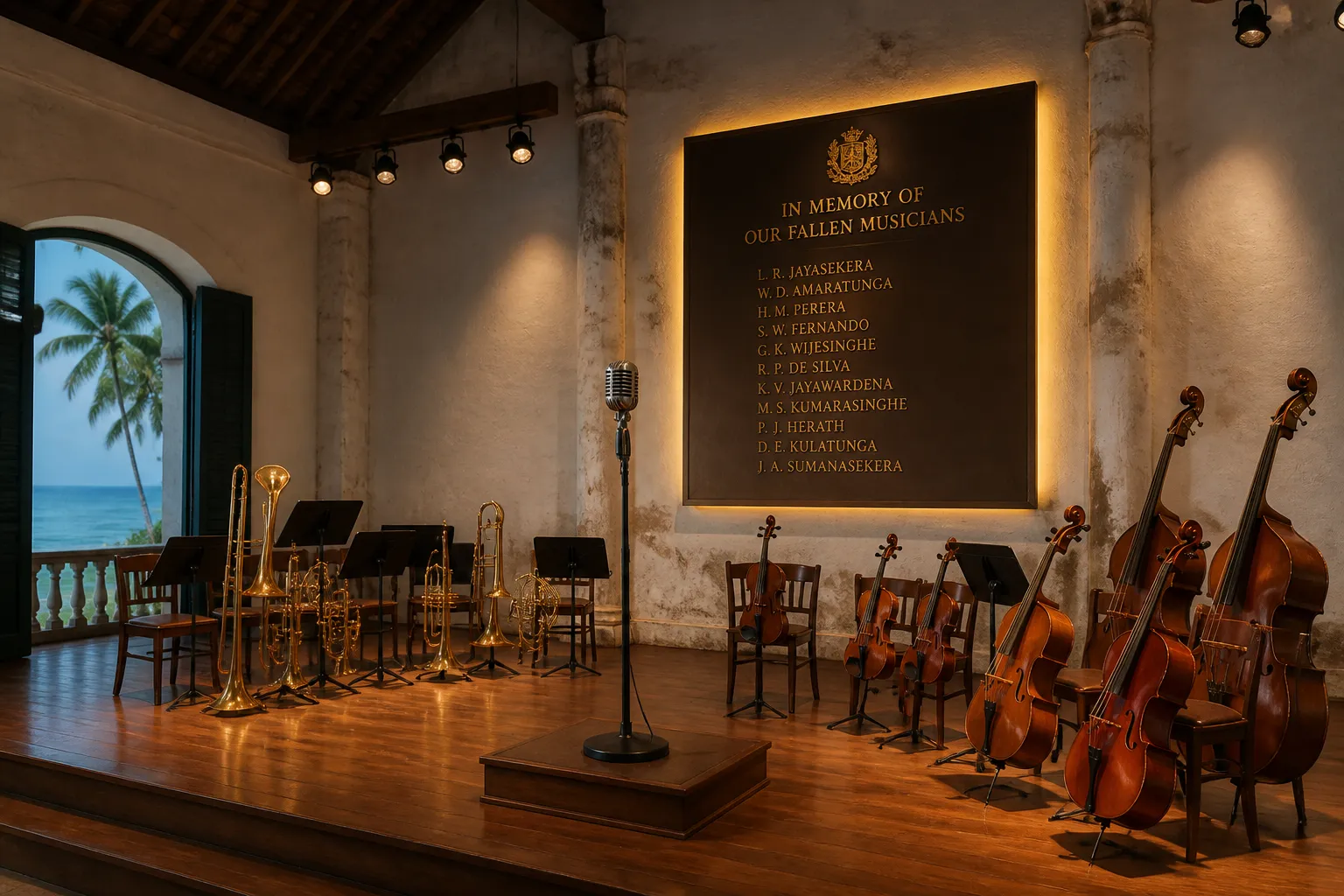
The MMO began as a modest collective called Raag in 1980, a year before Mehboob’s death on 22 April 1981. It was formally launched in 1985 to honour his memory, with founding members that included the late ghazal singer Umbayee, who had shared the stage with Mehboob on several occasions. The organisation’s central hall—now a living museum—houses old photographs, paintings of Mehboob and Mohammed Rafi, and a stage that hosts Friday meetings. “This is how we keep the spirit of his music alive,” says K A Hussain, secretary and one of the earliest members.
The MMO’s flagship event, the Rafi Nite, has been held for 43 consecutive years, interrupted only during the pandemic. Hussain explains, “We have been organising this tribute to Mohammed Rafi since 1981 — for 43 consecutive years, we stopped during the Covid‑19 years, and restarted when normal life resumed.” The concert draws musicians and audiences from across Kerala, offering a platform for aspiring singers to step into the spotlight.
Personal stories from those who knew Mehboob add depth to the organisation’s mission. Junior Mehboob, who began singing with the elder Mehboob at age six, recalls, “He literally took me under his wing; I would accompany him to his shows and sing with him. I am a musician today because of him.” He remembers the singer’s unique style, noting, “His style is inimitable. Take the song ‘Kathu sookshichoru kasthuri mambazham…’ from the film Nair Pidicha Pulivaal, for instance. He added his magic to the song, composed in a qawwali format. Few singers could infuse such individuality and charisma.” Junior also recalls being called “kutty” by Mehboob, a term that signified a father‑son bond.
Diana Silvester, a television producer and director who grew up in a family that hosted mehfils, says, “Anecdotes about Mehboob abound, but what strikes me the most is that he would sing the same song in different tunes. His life was like that too — every one has their own Mehboob story.” She produced a documentary on the singer that expanded from two to ten episodes, capturing the breadth of his influence.
K Pradeep, a veteran journalist and one of the founders of the Kraft literary and thought festival, characterises Mehboob as a “poetic wanderer” who “didn’t want to possess anything.” He adds, “Ask anyone — from a barber to a fish monger in Fort Kochi and Mattancherry — and they would speak with a sense of warmth that few artists can elicit.”
Today, the MMO functions as a cultural hub that preserves the heritage of Malayalam music. The 130‑year‑old building, repurposed into a living museum, continues to host musicians, tribute concerts, and community gatherings. The MMO’s activities keep Mehboob’s legacy alive for new generations, ensuring that his music remains an integral part of Kerala’s cultural fabric.
As the MMO prepares for its next Rafi Nite, the organisation remains committed to its mission of nurturing talent and celebrating the legacy of H. Mehboob. The building’s historic walls, the photographs and paintings that line its halls, and the weekly meetings all serve as a testament to a singer whose influence endures more than four decades after his passing.
Born in 1926 in Mattancherry, a neighbourhood of Fort Kochi, Mehboob grew up in an impoverished family yet found a voice amid weddings, mehfils, and the shade of banyan trees. Film composers such as V. Dakshinamoorthy and K. Raghavan recognised his talent early, offering him three songs for Jeevithanouka and the hit Maanennum vilikkilla from Neelakkuyil (1954). Working with lyricists Nelson Fernandez and Meppally Balan, he recorded more than 60 songs that later became staples in mainstream Malayalam cinema.
The MMO began as a modest collective called Raag in 1980, a year before Mehboob’s death on 22 April 1981. It was formally launched in 1985 to honour his memory, with founding members that included the late ghazal singer Umbayee, who had shared the stage with Mehboob on several occasions. The organisation’s central hall—now a living museum—houses old photographs, paintings of Mehboob and Mohammed Rafi, and a stage that hosts Friday meetings. “This is how we keep the spirit of his music alive,” says K A Hussain, secretary and one of the earliest members.
The MMO’s flagship event, the Rafi Nite, has been held for 43 consecutive years, interrupted only during the pandemic. Hussain explains, “We have been organising this tribute to Mohammed Rafi since 1981 — for 43 consecutive years, we stopped during the Covid‑19 years, and restarted when normal life resumed.” The concert draws musicians and audiences from across Kerala, offering a platform for aspiring singers to step into the spotlight.
Personal stories from those who knew Mehboob add depth to the organisation’s mission. Junior Mehboob, who began singing with the elder Mehboob at age six, recalls, “He literally took me under his wing; I would accompany him to his shows and sing with him. I am a musician today because of him.” He remembers the singer’s unique style, noting, “His style is inimitable. Take the song ‘Kathu sookshichoru kasthuri mambazham…’ from the film Nair Pidicha Pulivaal, for instance. He added his magic to the song, composed in a qawwali format. Few singers could infuse such individuality and charisma.” Junior also recalls being called “kutty” by Mehboob, a term that signified a father‑son bond.
Diana Silvester, a television producer and director who grew up in a family that hosted mehfils, says, “Anecdotes about Mehboob abound, but what strikes me the most is that he would sing the same song in different tunes. His life was like that too — every one has their own Mehboob story.” She produced a documentary on the singer that expanded from two to ten episodes, capturing the breadth of his influence.
K Pradeep, a veteran journalist and one of the founders of the Kraft literary and thought festival, characterises Mehboob as a “poetic wanderer” who “didn’t want to possess anything.” He adds, “Ask anyone — from a barber to a fish monger in Fort Kochi and Mattancherry — and they would speak with a sense of warmth that few artists can elicit.”
Today, the MMO functions as a cultural hub that preserves the heritage of Malayalam music. The 130‑year‑old building, repurposed into a living museum, continues to host musicians, tribute concerts, and community gatherings. The MMO’s activities keep Mehboob’s legacy alive for new generations, ensuring that his music remains an integral part of Kerala’s cultural fabric.
As the MMO prepares for its next Rafi Nite, the organisation remains committed to its mission of nurturing talent and celebrating the legacy of H. Mehboob. The building’s historic walls, the photographs and paintings that line its halls, and the weekly meetings all serve as a testament to a singer whose influence endures more than four decades after his passing.