Blab Entertainment
Bee Movie Re-enters Netflixs Top-Ten List After Two Decades, Fueled by Meme-Driven Viewership
When a 2007 computer‑animated comedy about a honey‑hungry bee climbs back into Netflix’s top‑ten list, it signals that internet culture can breathe new life into legacy titles. In the week of June 8–14 2026, Bee Movie slipped into the tenth spot among the platform’s most‑watched English‑language films, racking up 2.5 million views and 3.8 million hours of watch time.
The film debuted in the United States on November 2 2007 under Paramount Pictures. Written by Jerry Seinfeld, Spike Feresten, Barry Marder and Andy Robin, the satire follows Barry B. Benson, a honey bee who sues humanity after learning that humans sell and consume honey. With a $150 million budget, the movie earned $293.5 million worldwide and received mixed critical reviews. Over the past two decades, however, it has cultivated a devoted cult following, largely thanks to memes that lampoon its premise, dialogue and celebrity cameos.
Bee Movie’s resurgence aligns with a broader pattern of older DreamWorks Animation properties finding new audiences on streaming platforms. As a subsidiary of Comcast’s NBCUniversal, DreamWorks has produced enduring franchises such as Shrek, Kung Fu Panda, How to Train Your Dragon, Trolls and The Bad Guys. Many of these titles have become meme‑rich cultural touchstones, and the studio’s catalog—distributed worldwide—continues to attract viewers. Recent releases like The Wild Robot (2024) and upcoming projects such as Forgotten Island (2026), Shrek 5 (2027), Cocomelon: The Movie (Feb 2027), a live‑action remake of How to Train Your Dragon 2 (June 2027), and two untitled films slated for September 2027 and September 2028, keep the brand fresh.
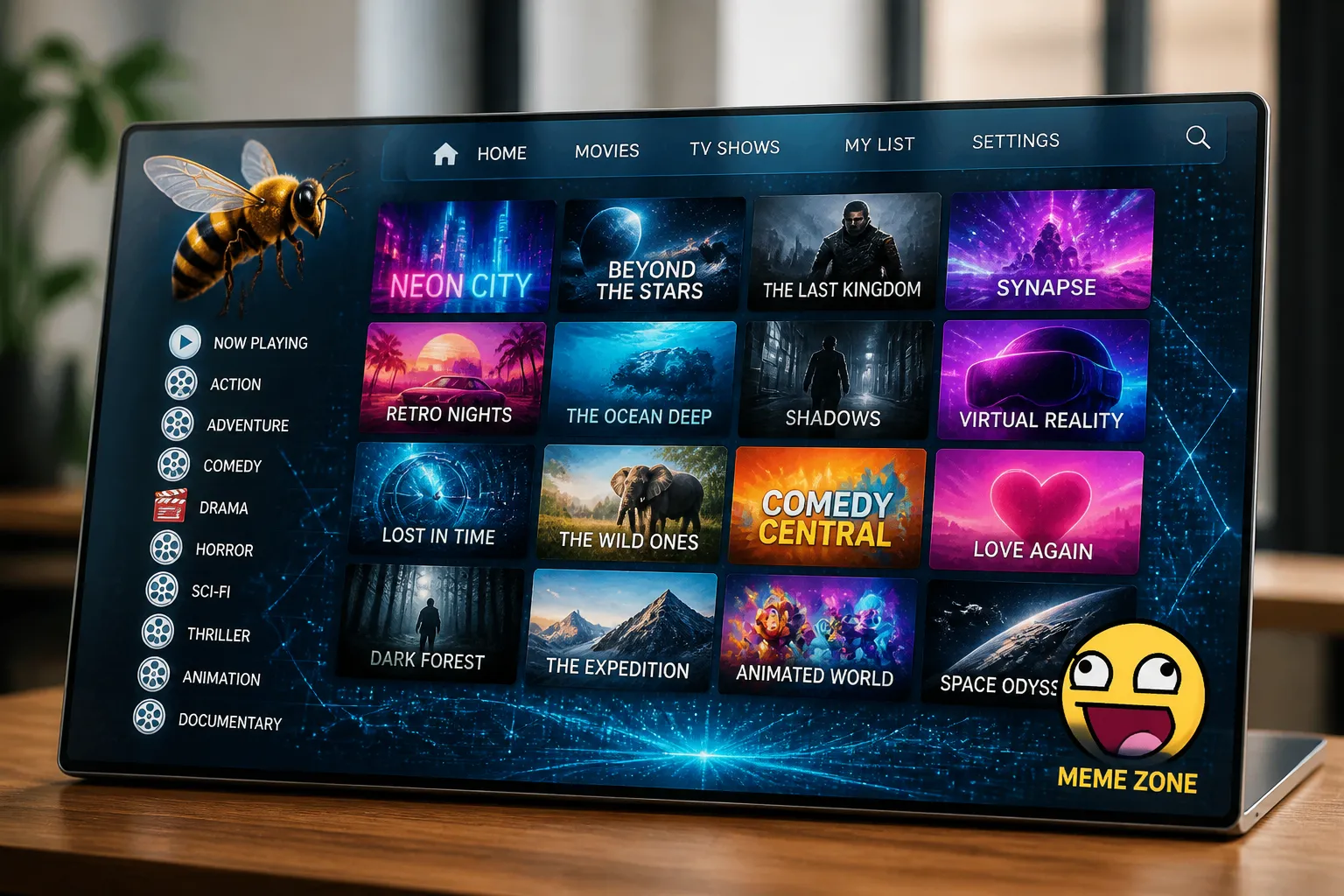
The film’s appeal on Netflix can be traced to two factors. First, it remains a classic DreamWorks animation with solid action, humor and a memorable cast. Second, its surreal premise and the sheer volume of memes—particularly clips and GIFs that remix lines or scenes out of context—have kept it in the public eye. TikTok, YouTube, Reddit and other meme‑sharing communities routinely surface new Bee Movie content, drawing in younger viewers who may have missed the original release.
Netflix’s weekly charts compile data from its global subscriber base, which totals 325 million paid memberships in over 190 countries. The service blends original productions with acquired titles; in 2025, “Netflix Original” content accounted for half of its U.S. library. The return of Bee Movie to the top‑ten demonstrates how a film’s cultural footprint can outlast its theatrical run. While the movie’s box‑office performance was modest compared with later DreamWorks successes, its meme‑driven longevity has translated into measurable streaming metrics. The 2.5 million views in a single week represent a significant share of the platform’s total viewership for that period.
Industry observers note that the phenomenon of older animated films gaining new life on streaming services is not unique to Bee Movie. Other DreamWorks titles, such as Shrek and Kung Fu Panda, have also seen spikes in viewership following meme‑related viral moments. The studio’s strategy of maintaining a diverse library of both recent releases and legacy properties positions it well to capitalize on such trends.
Looking ahead, DreamWorks Animation’s upcoming slate includes Cocomelon: The Movie (February 2027), a live‑action remake of How to Train Your Dragon 2 (June 2027), and two untitled projects scheduled for release in September 2027 and September 2028. Netflix continues to acquire and promote DreamWorks titles, and the platform’s analytics suggest that meme‑rich content remains a reliable driver of engagement.
In summary, Bee Movie’s appearance on Netflix’s most‑watched list in June 2026 underscores the lasting impact of internet culture on media consumption. The film’s blend of conventional animation and meme‑friendly material has allowed it to maintain relevance nearly two decades after its theatrical debut, illustrating how digital platforms can revive and monetize legacy content.
The film debuted in the United States on November 2 2007 under Paramount Pictures. Written by Jerry Seinfeld, Spike Feresten, Barry Marder and Andy Robin, the satire follows Barry B. Benson, a honey bee who sues humanity after learning that humans sell and consume honey. With a $150 million budget, the movie earned $293.5 million worldwide and received mixed critical reviews. Over the past two decades, however, it has cultivated a devoted cult following, largely thanks to memes that lampoon its premise, dialogue and celebrity cameos.
Bee Movie’s resurgence aligns with a broader pattern of older DreamWorks Animation properties finding new audiences on streaming platforms. As a subsidiary of Comcast’s NBCUniversal, DreamWorks has produced enduring franchises such as Shrek, Kung Fu Panda, How to Train Your Dragon, Trolls and The Bad Guys. Many of these titles have become meme‑rich cultural touchstones, and the studio’s catalog—distributed worldwide—continues to attract viewers. Recent releases like The Wild Robot (2024) and upcoming projects such as Forgotten Island (2026), Shrek 5 (2027), Cocomelon: The Movie (Feb 2027), a live‑action remake of How to Train Your Dragon 2 (June 2027), and two untitled films slated for September 2027 and September 2028, keep the brand fresh.
The film’s appeal on Netflix can be traced to two factors. First, it remains a classic DreamWorks animation with solid action, humor and a memorable cast. Second, its surreal premise and the sheer volume of memes—particularly clips and GIFs that remix lines or scenes out of context—have kept it in the public eye. TikTok, YouTube, Reddit and other meme‑sharing communities routinely surface new Bee Movie content, drawing in younger viewers who may have missed the original release.
Netflix’s weekly charts compile data from its global subscriber base, which totals 325 million paid memberships in over 190 countries. The service blends original productions with acquired titles; in 2025, “Netflix Original” content accounted for half of its U.S. library. The return of Bee Movie to the top‑ten demonstrates how a film’s cultural footprint can outlast its theatrical run. While the movie’s box‑office performance was modest compared with later DreamWorks successes, its meme‑driven longevity has translated into measurable streaming metrics. The 2.5 million views in a single week represent a significant share of the platform’s total viewership for that period.
Industry observers note that the phenomenon of older animated films gaining new life on streaming services is not unique to Bee Movie. Other DreamWorks titles, such as Shrek and Kung Fu Panda, have also seen spikes in viewership following meme‑related viral moments. The studio’s strategy of maintaining a diverse library of both recent releases and legacy properties positions it well to capitalize on such trends.
Looking ahead, DreamWorks Animation’s upcoming slate includes Cocomelon: The Movie (February 2027), a live‑action remake of How to Train Your Dragon 2 (June 2027), and two untitled projects scheduled for release in September 2027 and September 2028. Netflix continues to acquire and promote DreamWorks titles, and the platform’s analytics suggest that meme‑rich content remains a reliable driver of engagement.
In summary, Bee Movie’s appearance on Netflix’s most‑watched list in June 2026 underscores the lasting impact of internet culture on media consumption. The film’s blend of conventional animation and meme‑friendly material has allowed it to maintain relevance nearly two decades after its theatrical debut, illustrating how digital platforms can revive and monetize legacy content.