Blab Entertainment
Kanopys Library-Based Streaming Model Keeps Independent Films Accessible in an Algorithm-Driven Age
When the No Film School Podcast opened its latest episode, listeners were met with a clear reminder that independent cinema still has a home in a world dominated by subscription services.
Kanopy – the free, ad‑free platform that partners with public libraries and universities – was the focus of the discussion. Executive voices Erin Spears and Matt Lewis unpacked how the service’s library‑based model diverges from Netflix’s fee‑for‑access model and why human curation remains essential for indie filmmakers.
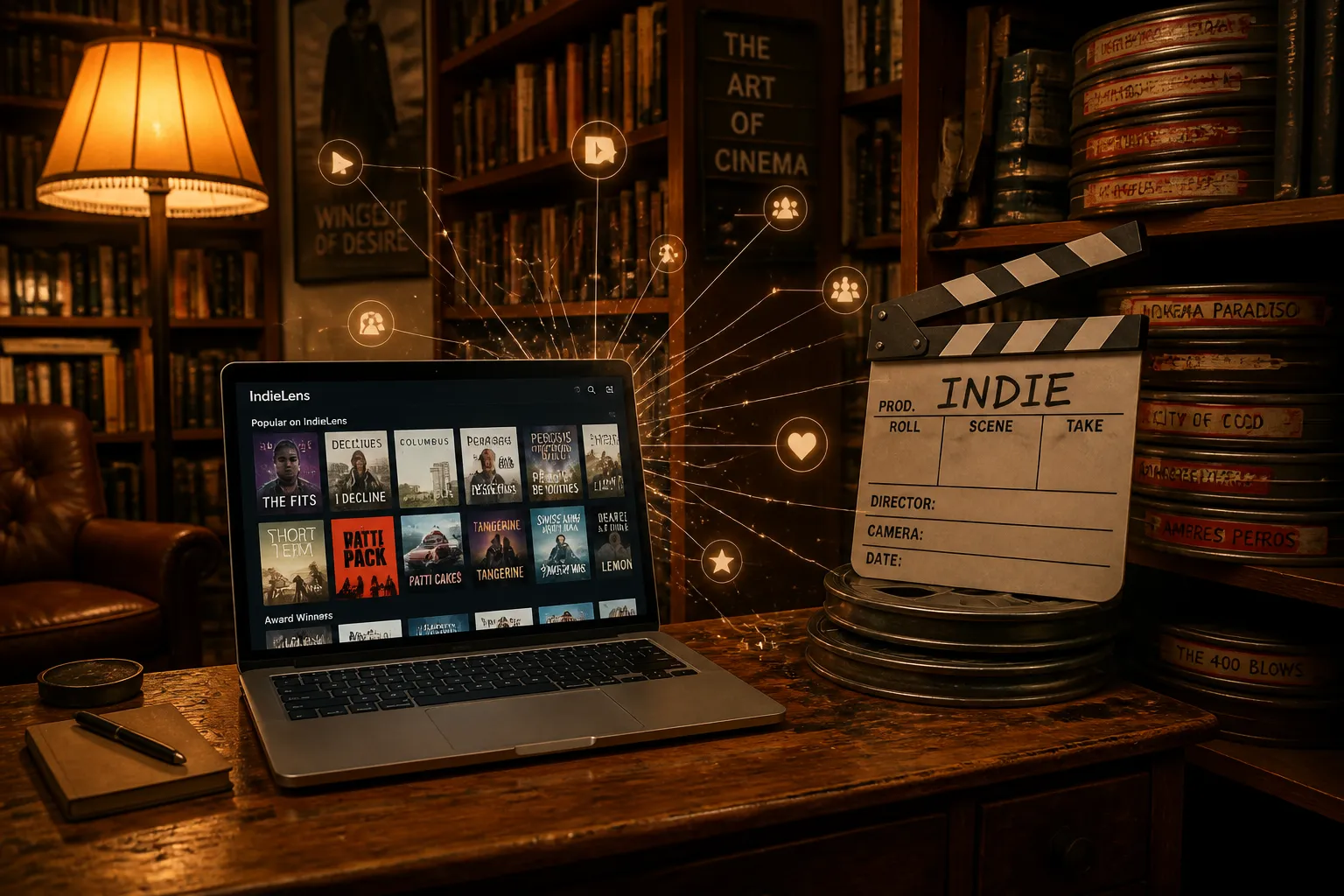
With a catalog of more than 30,000 titles, Kanopy offers independent films, documentaries, and educational videos to anyone who holds a library card or a university login. Libraries and universities pay a pay‑per‑view fee that is shared with content owners, keeping the end‑user experience completely free. Founded in 2008 in Western Australia, the company moved its headquarters to San Francisco and was acquired by OverDrive in 2021.
Spears, who joined Kanopy’s content programming team after a career in film programming and art‑house theaters, highlighted the significance of a free, ad‑free model. She noted that libraries and universities already attract audiences immersed in learning and cultural consumption, making Kanopy an attractive resource for students and casual viewers alike.
Lewis, whose background is in entertainment marketing, explained how his experience shapes Kanopy’s promotional strategy. He emphasized that the programming team curates new titles each week, selecting films that fit a variety of themes and audience interests.
A central theme of the episode was the value of human taste in an era of algorithmic recommendation. Spears and Lewis argued that while recommendation engines can surface popular content, they often overlook niche titles that require contextual framing. Human‑led curation, they said, helps viewers discover films that might otherwise be buried in a vast catalog.
The hosts also discussed the influence of visual elements on audience expectations. Spears described how poster art, title design, and trailers shape how viewers perceive a film before they watch it, advising filmmakers to consider key art carefully as it can be the first point of contact with potential audiences.
Social media is another tool Kanopy uses to drive discovery. The platform shares short clips and creates themed collections on its social channels, allowing users to explore curated groups such as rock documentaries, horror retrospectives, or repertory‑style series. These collections, the hosts said, build loyal audiences who return for new releases.
Universities use Kanopy both for coursework and for casual film discovery. The platform’s integration with academic libraries means that students can access a wide range of films for research or enrichment, while faculty can assign screenings as part of a syllabus.
Spears and Lewis also stressed that festivals, theatrical screenings, and communal movie‑going remain important for the long‑term life of a film. Even in a digital‑first world, the experience of watching a film in a theater or at a festival can create buzz that translates into streaming viewership.
Libraries, according to the hosts, may be one of the most significant access points for independent cinema. Because Kanopy is free for library patrons, a film that might otherwise struggle to find an audience can reach thousands of viewers who would not otherwise pay for a subscription.
The episode concluded with a preview of upcoming Kanopy titles. The hosts mentioned “Fright Fest,” “I Really Love My Husband,” and “The Napa Boys” as new releases that will be added to the platform’s catalog.
Finally, Spears and Lewis offered advice for emerging filmmakers. They urged creators to think strategically about curation and marketing, to understand the importance of key art, and to consider how their films might fit into a curated collection. They also encouraged filmmakers to engage with libraries and universities as potential distribution partners.
In sum, the No Film School Podcast episode underscored that Kanopy’s library‑based, ad‑free model provides a vital channel for independent films. By combining human curation, thoughtful visual presentation, and strategic partnerships with libraries and universities, Kanopy helps filmmakers reach audiences that might otherwise be missed in an algorithm‑driven streaming landscape.
Kanopy – the free, ad‑free platform that partners with public libraries and universities – was the focus of the discussion. Executive voices Erin Spears and Matt Lewis unpacked how the service’s library‑based model diverges from Netflix’s fee‑for‑access model and why human curation remains essential for indie filmmakers.
With a catalog of more than 30,000 titles, Kanopy offers independent films, documentaries, and educational videos to anyone who holds a library card or a university login. Libraries and universities pay a pay‑per‑view fee that is shared with content owners, keeping the end‑user experience completely free. Founded in 2008 in Western Australia, the company moved its headquarters to San Francisco and was acquired by OverDrive in 2021.
Spears, who joined Kanopy’s content programming team after a career in film programming and art‑house theaters, highlighted the significance of a free, ad‑free model. She noted that libraries and universities already attract audiences immersed in learning and cultural consumption, making Kanopy an attractive resource for students and casual viewers alike.
Lewis, whose background is in entertainment marketing, explained how his experience shapes Kanopy’s promotional strategy. He emphasized that the programming team curates new titles each week, selecting films that fit a variety of themes and audience interests.
A central theme of the episode was the value of human taste in an era of algorithmic recommendation. Spears and Lewis argued that while recommendation engines can surface popular content, they often overlook niche titles that require contextual framing. Human‑led curation, they said, helps viewers discover films that might otherwise be buried in a vast catalog.
The hosts also discussed the influence of visual elements on audience expectations. Spears described how poster art, title design, and trailers shape how viewers perceive a film before they watch it, advising filmmakers to consider key art carefully as it can be the first point of contact with potential audiences.
Social media is another tool Kanopy uses to drive discovery. The platform shares short clips and creates themed collections on its social channels, allowing users to explore curated groups such as rock documentaries, horror retrospectives, or repertory‑style series. These collections, the hosts said, build loyal audiences who return for new releases.
Universities use Kanopy both for coursework and for casual film discovery. The platform’s integration with academic libraries means that students can access a wide range of films for research or enrichment, while faculty can assign screenings as part of a syllabus.
Spears and Lewis also stressed that festivals, theatrical screenings, and communal movie‑going remain important for the long‑term life of a film. Even in a digital‑first world, the experience of watching a film in a theater or at a festival can create buzz that translates into streaming viewership.
Libraries, according to the hosts, may be one of the most significant access points for independent cinema. Because Kanopy is free for library patrons, a film that might otherwise struggle to find an audience can reach thousands of viewers who would not otherwise pay for a subscription.
The episode concluded with a preview of upcoming Kanopy titles. The hosts mentioned “Fright Fest,” “I Really Love My Husband,” and “The Napa Boys” as new releases that will be added to the platform’s catalog.
Finally, Spears and Lewis offered advice for emerging filmmakers. They urged creators to think strategically about curation and marketing, to understand the importance of key art, and to consider how their films might fit into a curated collection. They also encouraged filmmakers to engage with libraries and universities as potential distribution partners.
In sum, the No Film School Podcast episode underscored that Kanopy’s library‑based, ad‑free model provides a vital channel for independent films. By combining human curation, thoughtful visual presentation, and strategic partnerships with libraries and universities, Kanopy helps filmmakers reach audiences that might otherwise be missed in an algorithm‑driven streaming landscape.