Blab Entertainment
Venice Film Festival Highlights AI and Immersive Storytelling, Featuring Industry Veterans and New Platforms
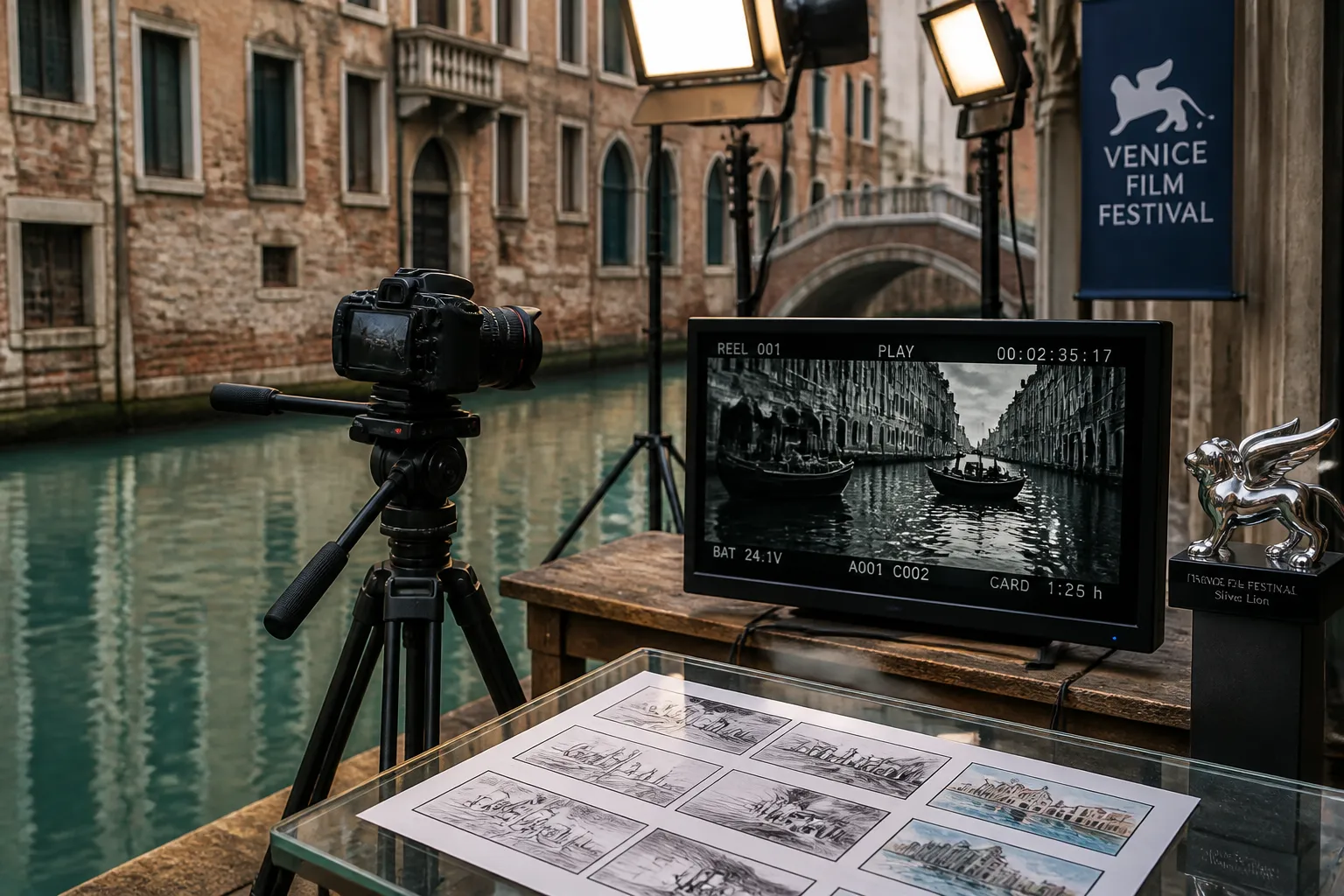
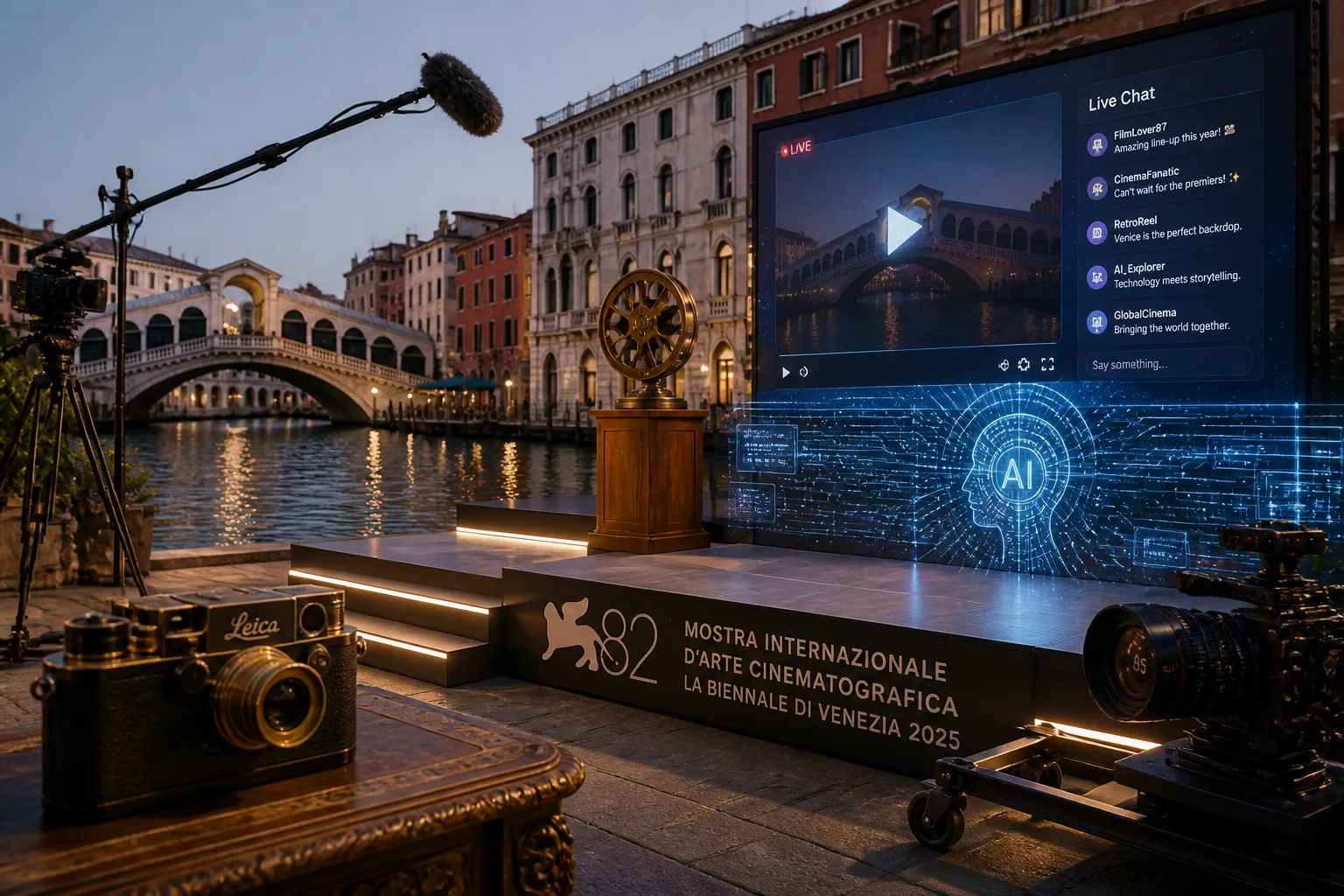
On the sun‑kissed island of Lido, the 83rd Venice International Film Festival opened its doors on September 2 and closed on the 12th, inviting audiences to peer into the next chapter of cinema. While the competition line‑up carried the festival’s storied tradition, a parallel program—Reply AI Film Festival—placed artificial intelligence and immersive technology at the forefront. Fifty‑seven short films, each crafted with AI tools, were screened alongside mixed‑reality pieces that highlighted Google’s Android XR platform.
The decision to spotlight AI came at a time when the industry is increasingly turning to generative models for pre‑visualization, animation, and post‑production. Rob Minkoff, the director of The Lion King and former Disney animator, served as a juror for Reply. In a panel discussion, Minkoff reflected on the journey from hand‑drawn frames to computer‑generated imagery, remarking that “AI now offers new possibilities for visual storytelling.” His comments framed the conversation around how the technology can augment the creative process while safeguarding the filmmaker’s artistic intent.
Catherine Hardwicke—known for Twilight and Lords of Dogtown—also joined the jury. After watching the 57 AI‑generated shorts, she described the quality as “mind blowing.” Hardwicke’s statement underscored a growing acceptance of AI‑produced content within mainstream film circles, hinting that the medium is moving beyond experimental labs into the broader industry ecosystem.
In addition to the AI showcase, the festival staged a discussion with the creator of Gods Don’t Give Gifts, a dystopian science‑fiction feature slated for U.S. theatrical release on October 30. The film comprises four AI‑generated anthology shorts and is distributed by YouTube creator Gossip Goblin. The filmmaker explained that AI‑assisted production streamlines post‑production workflows, yet the creative team remains deeply involved in shaping narrative and visual style.
Mixed‑reality cinema took center stage through the 30‑minute premiere of Nevatars, co‑written and co‑directed by Josh Nesel Yousef. The film stars Andy Serkis, Daisy Ridley, Kelly Marie Tran, Steve Zahn, and Leah Bateman, and it demonstrates how the Android XR platform enables audiences to experience the story in a spatial context, blending live action with virtual environments.
Jonathan Zepp, Vice President of Google, addressed the role of Android XR in supporting immersive storytelling. He noted that Google is investing in the platform to provide creators with tools for building interactive narratives. Zepp cited Nevatars and Galapagos’ The Last Eden as early adopters of Android XR’s capabilities, positioning the platform as a potential standard for future immersive productions.
Reply AI Film Festival itself is part of a broader series of AI Film & Ads Awards events held in Cannes, Dubai, and Paris. The Venice edition marked the third iteration of the festival, attracting more than 3,000 submissions from which 10 finalists were selected.
The festival’s programming reaffirmed Venice’s reputation for marrying tradition with innovation. While the competition slate continued to showcase established feature films, the AI and XR segments drew significant attention from industry professionals and media outlets alike. The conversations that unfolded suggest that AI will remain a key topic for filmmakers, technologists, and investors in the coming years.
As the festival draws to a close, the industry will watch closely how the AI‑generated feature Gods Don’t Give Gifts performs in theaters, how Nevatars influences the mixed‑reality market, and whether Android XR will become a standard tool for immersive storytelling. The 2026 edition of the Venice Film Festival has positioned itself as a platform where emerging technologies intersect with established cinematic traditions, offering a glimpse of the future while honoring the past.
The decision to spotlight AI came at a time when the industry is increasingly turning to generative models for pre‑visualization, animation, and post‑production. Rob Minkoff, the director of The Lion King and former Disney animator, served as a juror for Reply. In a panel discussion, Minkoff reflected on the journey from hand‑drawn frames to computer‑generated imagery, remarking that “AI now offers new possibilities for visual storytelling.” His comments framed the conversation around how the technology can augment the creative process while safeguarding the filmmaker’s artistic intent.
Catherine Hardwicke—known for Twilight and Lords of Dogtown—also joined the jury. After watching the 57 AI‑generated shorts, she described the quality as “mind blowing.” Hardwicke’s statement underscored a growing acceptance of AI‑produced content within mainstream film circles, hinting that the medium is moving beyond experimental labs into the broader industry ecosystem.
In addition to the AI showcase, the festival staged a discussion with the creator of Gods Don’t Give Gifts, a dystopian science‑fiction feature slated for U.S. theatrical release on October 30. The film comprises four AI‑generated anthology shorts and is distributed by YouTube creator Gossip Goblin. The filmmaker explained that AI‑assisted production streamlines post‑production workflows, yet the creative team remains deeply involved in shaping narrative and visual style.
Mixed‑reality cinema took center stage through the 30‑minute premiere of Nevatars, co‑written and co‑directed by Josh Nesel Yousef. The film stars Andy Serkis, Daisy Ridley, Kelly Marie Tran, Steve Zahn, and Leah Bateman, and it demonstrates how the Android XR platform enables audiences to experience the story in a spatial context, blending live action with virtual environments.
Jonathan Zepp, Vice President of Google, addressed the role of Android XR in supporting immersive storytelling. He noted that Google is investing in the platform to provide creators with tools for building interactive narratives. Zepp cited Nevatars and Galapagos’ The Last Eden as early adopters of Android XR’s capabilities, positioning the platform as a potential standard for future immersive productions.
Reply AI Film Festival itself is part of a broader series of AI Film & Ads Awards events held in Cannes, Dubai, and Paris. The Venice edition marked the third iteration of the festival, attracting more than 3,000 submissions from which 10 finalists were selected.
The festival’s programming reaffirmed Venice’s reputation for marrying tradition with innovation. While the competition slate continued to showcase established feature films, the AI and XR segments drew significant attention from industry professionals and media outlets alike. The conversations that unfolded suggest that AI will remain a key topic for filmmakers, technologists, and investors in the coming years.
As the festival draws to a close, the industry will watch closely how the AI‑generated feature Gods Don’t Give Gifts performs in theaters, how Nevatars influences the mixed‑reality market, and whether Android XR will become a standard tool for immersive storytelling. The 2026 edition of the Venice Film Festival has positioned itself as a platform where emerging technologies intersect with established cinematic traditions, offering a glimpse of the future while honoring the past.