Blab Entertainment
Sanson Ki Mala Pe Revives Nusrat Fateh Ali Khans Legacy in Mirzapur: The Movie
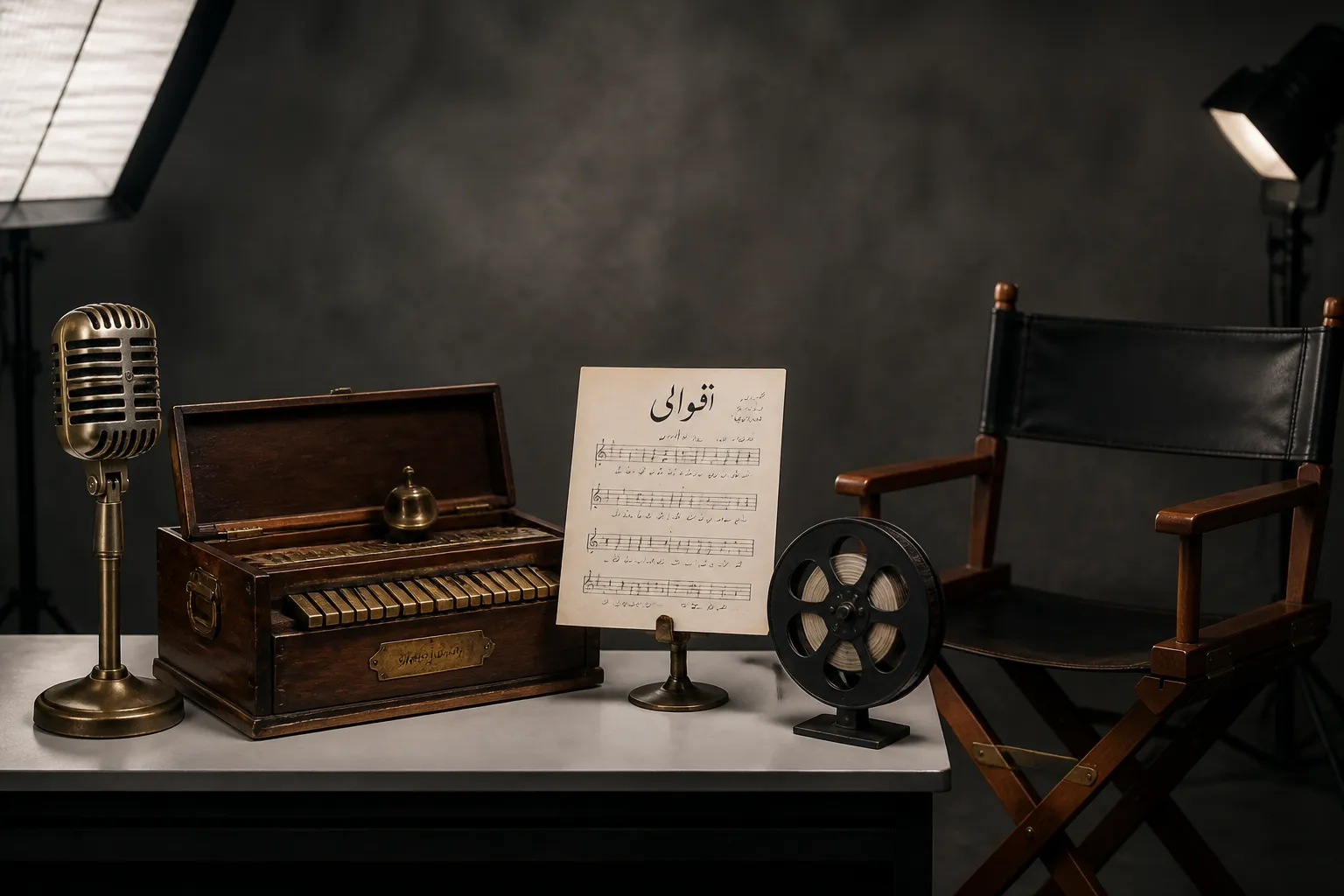
When Mirzapur: The Movie opened on 4 September 2026, the screen was illuminated not only by the familiar faces of Kaleen Bhaiya, Guddu Pandit, and Munna Tripathi but also by a timeless melody that traced its roots back to 1979. The film’s nine‑track soundtrack, released on 31 August 2026, features the legendary qawwali Sanson Ki Mala Pe, performed by Madhur Sharma and Vaibhav Pani while the original vocals of Nusrat Fateh Ali Khan remain at the core of the arrangement.
The qawwali finds its place in a mid‑credit sequence that brings closure to Beena Tripathi’s past romance. As the music swells, Beena delivers the line, “Love hi toh hai, lifetime thodi hi rehta hai,” a stark counterpoint to the violent end of her former lover’s story and a reminder that the song’s theme of eternal love stands in contrast to the fleeting nature of human affairs.
Within three days of its theatrical release, the film had earned a worldwide gross of ₹132.35 crore, with an Indian net of ₹93.75 crore, according to box‑office tracking sites. The strong performance has been linked to the return of core characters and the gritty tone that fans expect from the franchise.
The inclusion of Sanson Ki Mala Pe is historically significant. Nusrat first performed the qawwali during his 1979 visit to India, when actor‑filmmaker Raj Kapoor invited him to sing at his son Rishi Kapoor’s wedding. The composition later appeared on his 1982 album Supreme Collection, Vol. 12 and has been re‑recorded for Hindi films such as Jeet and Koyla. In 2020, Rahat Fateh Ali Khan released his own rendition.
Composer Anand Bhaskar, along with collaborators Dhanda Nyoliwala, Ray, and Junaid Kumar, crafted a contemporary arrangement that preserves the qawwali’s intensity while fitting the film’s tense atmosphere. The track’s release on 31 August was part of a music launch event attended by the film’s cast, including Ravi Kishan, Sonal Chauhan, and Shweta Patri‑Sharma.
Audience reactions on social media highlighted the juxtaposition of the qawwali’s serene melody against the violent narrative of the mid‑credit scene. Several viewers praised the placement as a “standout moment” that adds a layer of poetic resonance to the film’s climax.
The soundtrack’s nine tracks total 25 minutes and were made available on major streaming platforms such as Apple Music, Deezer, and Amazon Music. The album’s release date and track list were confirmed by the film’s official social‑media accounts.
In sum, Mirzapur: The Movie successfully marries contemporary Indian cinema with a classic piece of South Asian musical heritage. The film’s strong box‑office performance, coupled with the renewed popularity of Sanson Ki Mala Pe, underscores the lasting influence of Nusrat Fateh Ali Khan’s work and the continued relevance of qawwali in modern storytelling.
The qawwali finds its place in a mid‑credit sequence that brings closure to Beena Tripathi’s past romance. As the music swells, Beena delivers the line, “Love hi toh hai, lifetime thodi hi rehta hai,” a stark counterpoint to the violent end of her former lover’s story and a reminder that the song’s theme of eternal love stands in contrast to the fleeting nature of human affairs.
Within three days of its theatrical release, the film had earned a worldwide gross of ₹132.35 crore, with an Indian net of ₹93.75 crore, according to box‑office tracking sites. The strong performance has been linked to the return of core characters and the gritty tone that fans expect from the franchise.
The inclusion of Sanson Ki Mala Pe is historically significant. Nusrat first performed the qawwali during his 1979 visit to India, when actor‑filmmaker Raj Kapoor invited him to sing at his son Rishi Kapoor’s wedding. The composition later appeared on his 1982 album Supreme Collection, Vol. 12 and has been re‑recorded for Hindi films such as Jeet and Koyla. In 2020, Rahat Fateh Ali Khan released his own rendition.
Composer Anand Bhaskar, along with collaborators Dhanda Nyoliwala, Ray, and Junaid Kumar, crafted a contemporary arrangement that preserves the qawwali’s intensity while fitting the film’s tense atmosphere. The track’s release on 31 August was part of a music launch event attended by the film’s cast, including Ravi Kishan, Sonal Chauhan, and Shweta Patri‑Sharma.
Audience reactions on social media highlighted the juxtaposition of the qawwali’s serene melody against the violent narrative of the mid‑credit scene. Several viewers praised the placement as a “standout moment” that adds a layer of poetic resonance to the film’s climax.
The soundtrack’s nine tracks total 25 minutes and were made available on major streaming platforms such as Apple Music, Deezer, and Amazon Music. The album’s release date and track list were confirmed by the film’s official social‑media accounts.
In sum, Mirzapur: The Movie successfully marries contemporary Indian cinema with a classic piece of South Asian musical heritage. The film’s strong box‑office performance, coupled with the renewed popularity of Sanson Ki Mala Pe, underscores the lasting influence of Nusrat Fateh Ali Khan’s work and the continued relevance of qawwali in modern storytelling.