Blab Entertainment
Hayden Panettieres Death Sparks Neutrogena Boycott and Kenvue Stock Dip
When Hayden Panettiere, the former Heroes and Nashville star, passed away on August 16, 2026 at age 36, the industry felt a double blow: the loss of a beloved actress and the rekindling of a long‑standing dispute with a major consumer‑health brand.
The controversy dates back to 2015, when Panettiere publicly disclosed her battle with postpartum depression in a September interview with Live with Kelly Ripa and The Today Show’s Michael Strahan. She described the condition as "completely uncontrollable, really painful, and really scary," and noted how closely it mirrored her character’s own storyline on television.
In May of that year, she expanded on the fallout in a Jay Shetty On Purpose podcast episode, claiming that Neutrogena had terminated her decade‑long endorsement contract because of her candid discussion. "Neutrogena was a huge part of my life," she told Shetty. "They caught absolutely everything. Of all the things that they would fire me over, this is the last thing that I thought they would ever fire me over." She added that the silence that followed the termination hurt more than the loss of the partnership.
Since Panettiere’s death, Neutrogena’s social‑media feeds have been flooded with negative comments, including a post from Real Housewives alum Carole Radziwill that read, "You deserve the hate. #hayden." The backlash has spurred fans to call for a boycott of the brand’s products.
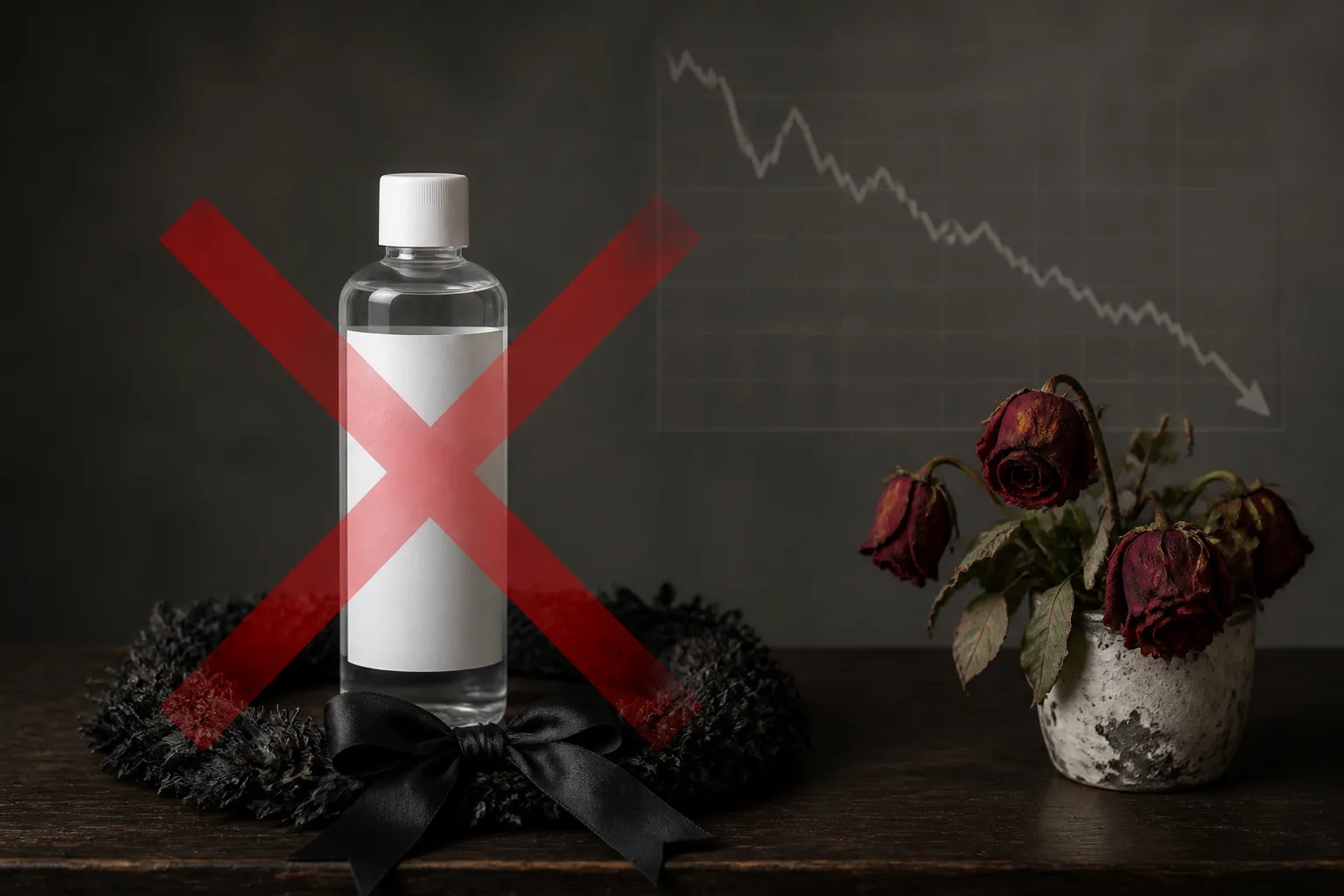
Kenvue Inc., the parent company of Neutrogena, saw its stock fall more than 2 % on Monday, August 17, 2026—the day after Panettiere’s passing was reported. By midweek, the share price began to recover, but the initial dip reflected investor concern over a potential consumer‑health brand boycott.
The incident highlights broader questions about mental‑health disclosure and corporate responsibility. Postpartum depression affects roughly one in seven new mothers in the United States, according to recent studies. Panettiere’s memoir, This Is Me: A Reckoning, published months before her death, criticized Neutrogena’s "squeaky‑clean product identity" for shaping her public persona.
Kenvue, spun off from Johnson & Johnson in 2022 and listed on the NYSE in May 2023, owns well‑known brands such as Aveeno, Band‑Aid, and Tylenol. The company has faced other controversies, including a 2023 securities class action alleging misleading disclosures about phenylephrine. The recent stock reaction adds to a series of events that have tested Kenvue’s market resilience.
While the boycott calls have yet to translate into measurable sales declines for Neutrogena, industry observers are examining how beauty and consumer‑health brands manage relationships with long‑time ambassadors—especially when those ambassadors speak publicly about sensitive health topics.
The situation remains fluid. Neutrogena has not issued a public response, and no formal investigation has been announced. The stock market reaction suggests that investors are monitoring the brand’s response closely. For fans of Panettiere and advocates of mental‑health awareness, the episode underscores the importance of corporate accountability when public figures disclose personal health struggles.
In the coming weeks, analysts will watch for any statement from Kenvue or actions taken to address the boycott. The broader conversation about mental‑health disclosure in the entertainment and consumer‑health sectors is likely to continue, as brands grapple with the balance between marketing objectives and social responsibility.
The controversy dates back to 2015, when Panettiere publicly disclosed her battle with postpartum depression in a September interview with Live with Kelly Ripa and The Today Show’s Michael Strahan. She described the condition as "completely uncontrollable, really painful, and really scary," and noted how closely it mirrored her character’s own storyline on television.
In May of that year, she expanded on the fallout in a Jay Shetty On Purpose podcast episode, claiming that Neutrogena had terminated her decade‑long endorsement contract because of her candid discussion. "Neutrogena was a huge part of my life," she told Shetty. "They caught absolutely everything. Of all the things that they would fire me over, this is the last thing that I thought they would ever fire me over." She added that the silence that followed the termination hurt more than the loss of the partnership.
Since Panettiere’s death, Neutrogena’s social‑media feeds have been flooded with negative comments, including a post from Real Housewives alum Carole Radziwill that read, "You deserve the hate. #hayden." The backlash has spurred fans to call for a boycott of the brand’s products.
Kenvue Inc., the parent company of Neutrogena, saw its stock fall more than 2 % on Monday, August 17, 2026—the day after Panettiere’s passing was reported. By midweek, the share price began to recover, but the initial dip reflected investor concern over a potential consumer‑health brand boycott.
The incident highlights broader questions about mental‑health disclosure and corporate responsibility. Postpartum depression affects roughly one in seven new mothers in the United States, according to recent studies. Panettiere’s memoir, This Is Me: A Reckoning, published months before her death, criticized Neutrogena’s "squeaky‑clean product identity" for shaping her public persona.
Kenvue, spun off from Johnson & Johnson in 2022 and listed on the NYSE in May 2023, owns well‑known brands such as Aveeno, Band‑Aid, and Tylenol. The company has faced other controversies, including a 2023 securities class action alleging misleading disclosures about phenylephrine. The recent stock reaction adds to a series of events that have tested Kenvue’s market resilience.
While the boycott calls have yet to translate into measurable sales declines for Neutrogena, industry observers are examining how beauty and consumer‑health brands manage relationships with long‑time ambassadors—especially when those ambassadors speak publicly about sensitive health topics.
The situation remains fluid. Neutrogena has not issued a public response, and no formal investigation has been announced. The stock market reaction suggests that investors are monitoring the brand’s response closely. For fans of Panettiere and advocates of mental‑health awareness, the episode underscores the importance of corporate accountability when public figures disclose personal health struggles.
In the coming weeks, analysts will watch for any statement from Kenvue or actions taken to address the boycott. The broader conversation about mental‑health disclosure in the entertainment and consumer‑health sectors is likely to continue, as brands grapple with the balance between marketing objectives and social responsibility.