Blab Entertainment
Judge Halts Paramount-Warner Bros. Deal for 14 Days as 12 States Seek Antitrust Review
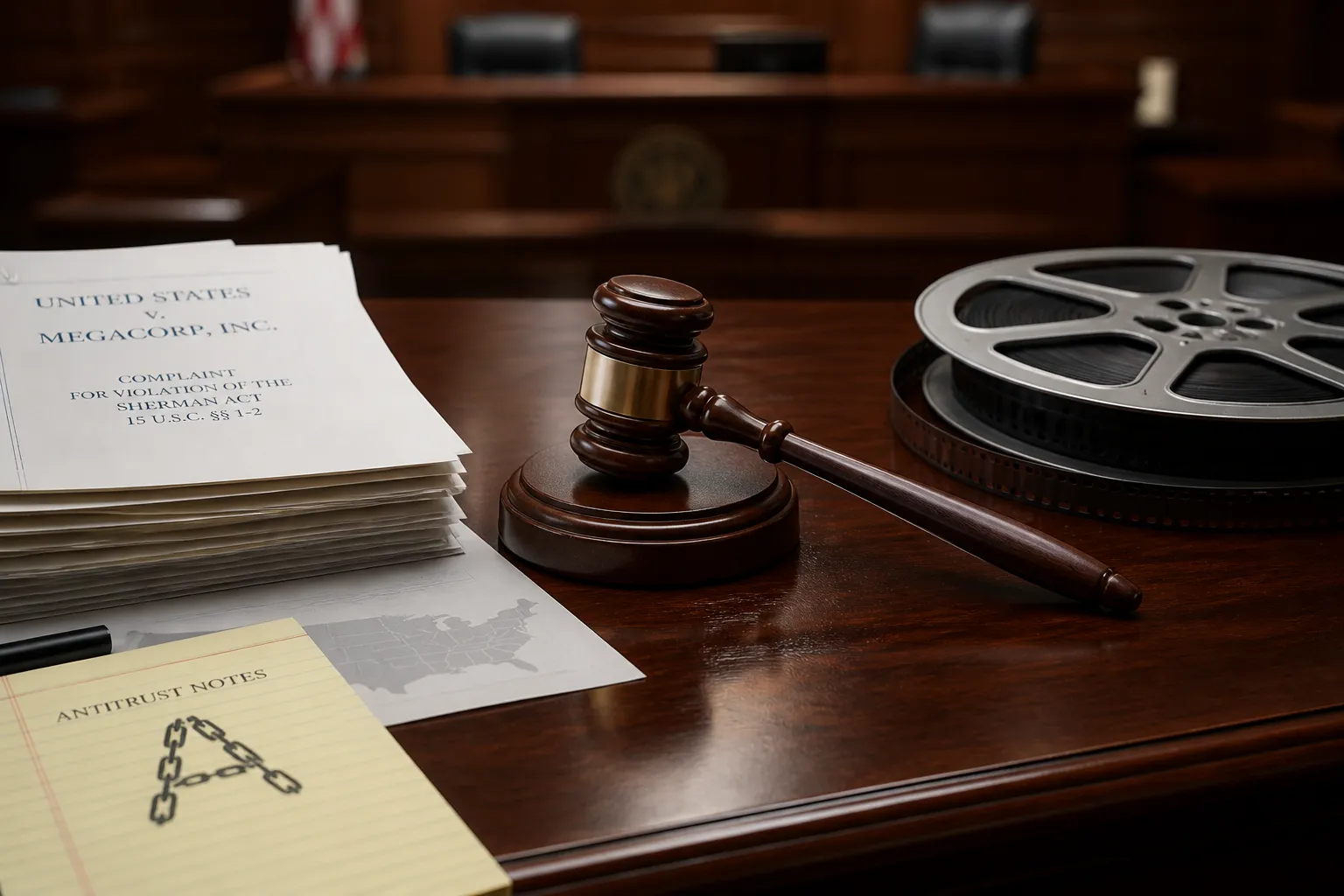
A federal judge in Los Angeles has issued a temporary restraining order that pauses the $81 billion merger between Paramount Skydance and Warner Bros. Discovery for at least 14 days, giving a coalition of 12 states more time to argue that the combination would violate U.S. antitrust law.
Judge Araceli Martínez‑Olguín granted the order on Monday, July 20, 2026, after the states’ attorneys general filed a lawsuit last week. California, led by Attorney General Rob Bonta, joined Arizona, Colorado, Connecticut, Massachusetts, Minnesota, Nevada, New Jersey, New Mexico, New York, Oregon and Washington. The complaint claims that the merger would create a “media behemoth” that could control nearly a third of theatrical film distribution and basic cable programming, raise prices for consumers, threaten workers’ wages and reduce the quantity and quality of content.
The states’ attorneys argue that the deal would extinguish competition in Hollywood and limit choices for moviegoers and cable customers across the country. They are seeking a preliminary injunction that would permanently block the transaction. The judge has set a hearing for August 3, 2026, and the order could be extended up to 28 days.
Paramount, which was acquired by Skydance in 2025, has defended the merger. In a statement released Monday, the company said the states’ antitrust arguments are “without merit” and that the deal would benefit consumers and workers. Paramount also cited regulatory approvals it has received in other countries, including from the Trump administration last month.
Warner Bros. Discovery, formed in 2022 by the merger of WarnerMedia and Discovery, had its deal approved by the U.S. Department of Justice on June 12, 2026. The combined company would bring together two of the five legacy Hollywood studios, along with a portfolio of TV networks, streaming libraries and news operations. Warner’s HBO Max, the “Harry Potter” franchise and CNN would join Paramount’s CBS, Paramount+ and other assets.
The merger’s value is reported at nearly $111 billion when debt is included, but the parties refer to it as an $81 billion transaction. Paramount has said it could pay a $7 million daily “ticking fee” if the deal is not closed by September 30, a deadline it has set for a potential appeal.
Other legal challenges are also in play. The Writers Guild of America has filed its own lawsuit seeking to block the merger, arguing that a combined entity could lower writers’ wages and cut production. A shareholder lawsuit accuses Paramount CEO David Ellison and his father, billionaire Larry Ellison, of offering private benefits to former President Donald Trump to secure approval.
Regulatory reviews outside the United States are ongoing. Paramount has received greenlights from China, Canada and Australia, but the European Union and the United Kingdom have indicated they may intervene.
The judge’s order does not resolve the underlying dispute but provides the states with a window to present evidence and arguments. If the preliminary injunction is granted, the merger would be permanently halted. If the states fail to secure a stay, Paramount and Warner Bros. Discovery could resume negotiations and potentially close the deal.
The case highlights the growing scrutiny of large media consolidations and the tension between federal approvals and state‑level antitrust enforcement. As the hearing approaches, industry observers will watch whether the merger can survive the legal challenges or whether it will be abandoned.
The outcome will have implications for the competitive landscape of film distribution, cable programming and streaming services, and for the future of the legacy Hollywood studios that have dominated the industry for more than a century.
Judge Araceli Martínez‑Olguín granted the order on Monday, July 20, 2026, after the states’ attorneys general filed a lawsuit last week. California, led by Attorney General Rob Bonta, joined Arizona, Colorado, Connecticut, Massachusetts, Minnesota, Nevada, New Jersey, New Mexico, New York, Oregon and Washington. The complaint claims that the merger would create a “media behemoth” that could control nearly a third of theatrical film distribution and basic cable programming, raise prices for consumers, threaten workers’ wages and reduce the quantity and quality of content.
The states’ attorneys argue that the deal would extinguish competition in Hollywood and limit choices for moviegoers and cable customers across the country. They are seeking a preliminary injunction that would permanently block the transaction. The judge has set a hearing for August 3, 2026, and the order could be extended up to 28 days.
Paramount, which was acquired by Skydance in 2025, has defended the merger. In a statement released Monday, the company said the states’ antitrust arguments are “without merit” and that the deal would benefit consumers and workers. Paramount also cited regulatory approvals it has received in other countries, including from the Trump administration last month.
Warner Bros. Discovery, formed in 2022 by the merger of WarnerMedia and Discovery, had its deal approved by the U.S. Department of Justice on June 12, 2026. The combined company would bring together two of the five legacy Hollywood studios, along with a portfolio of TV networks, streaming libraries and news operations. Warner’s HBO Max, the “Harry Potter” franchise and CNN would join Paramount’s CBS, Paramount+ and other assets.
The merger’s value is reported at nearly $111 billion when debt is included, but the parties refer to it as an $81 billion transaction. Paramount has said it could pay a $7 million daily “ticking fee” if the deal is not closed by September 30, a deadline it has set for a potential appeal.
Other legal challenges are also in play. The Writers Guild of America has filed its own lawsuit seeking to block the merger, arguing that a combined entity could lower writers’ wages and cut production. A shareholder lawsuit accuses Paramount CEO David Ellison and his father, billionaire Larry Ellison, of offering private benefits to former President Donald Trump to secure approval.
Regulatory reviews outside the United States are ongoing. Paramount has received greenlights from China, Canada and Australia, but the European Union and the United Kingdom have indicated they may intervene.
The judge’s order does not resolve the underlying dispute but provides the states with a window to present evidence and arguments. If the preliminary injunction is granted, the merger would be permanently halted. If the states fail to secure a stay, Paramount and Warner Bros. Discovery could resume negotiations and potentially close the deal.
The case highlights the growing scrutiny of large media consolidations and the tension between federal approvals and state‑level antitrust enforcement. As the hearing approaches, industry observers will watch whether the merger can survive the legal challenges or whether it will be abandoned.
The outcome will have implications for the competitive landscape of film distribution, cable programming and streaming services, and for the future of the legacy Hollywood studios that have dominated the industry for more than a century.