Blab Entertainment
Tunnels: Sun in the Dark - Vietnams First War Film Told from the Viet Cong Perspective
‘Tunnels: Sun in the Dark’ (2025) marks a landmark moment for Vietnamese cinema. Directed and written by Bùi Thạc Chuyên, with co‑writers Mỹ Uyên and Nguyễn Thị Minh Ngọc, the film stars Thái Hòa as the unit’s commander, Quang Tuấn as the engineer, and Hồ Thu Anh as the medic. The story follows a 21‑man Viet Cong guerrilla squad tasked with shielding a group of intelligence operatives whose radio transmissions reveal the tunnel network to U.S. forces.
The film’s world premiere took place in North America at the Fantasia International Film Festival. Critics noted that, unlike most Western war epics, the narrative is presented entirely from the Viet Cong viewpoint—a rare approach in international cinema. The festival’s program notes emphasized that the film focuses on Vietnamese soldiers rather than American combatants, offering a fresh lens on a familiar conflict. Production and Setting
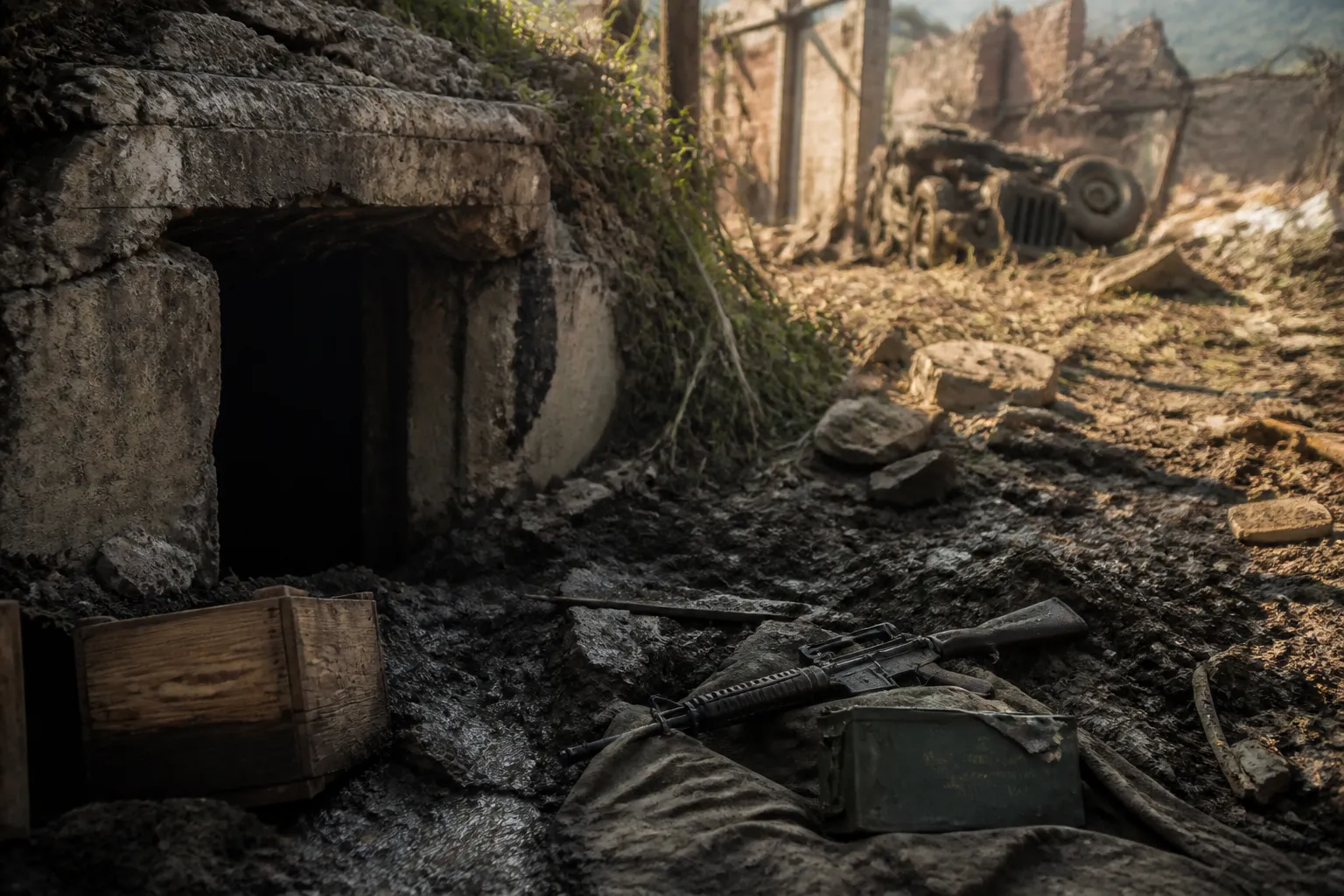
Chuyên, who previously directed the 2022 historical drama Glorious Ashes, chose the Củ Chi tunnel system as the story’s backbone. The underground network—spanning miles beneath the Mekong Delta—served as hideouts, supply routes, and makeshift hospitals during the 1960s and 1970s. In interviews, Chuyên explained that the film’s script draws on documented accounts of how the tunnels were built and employed, giving the audience a sense of the ingenuity that underpinned Viet Cong resistance.
While the central plot follows the guerrilla team’s internal dynamics, the credits close with a brief documentary segment. In it, the actors discuss the tunnel system’s design, providing viewers with a factual overview of its structure and historical significance. Critical Reception
Reviewers praised the film for offering a balanced portrayal of the Vietnam War. Eye for Film called it “a rarity in the West: a film about the Vietnam War told entirely from the perspective of the Viet Cong.” The review highlighted the film’s avoidance of glorification, instead depicting the war’s brutality and the suffering of civilians.
On In Review Online, the critic noted how the movie challenges the prevailing American narrative, arguing that the focus on Vietnamese soldiers exposes the gaps left by mainstream cinema’s portrayal of the conflict. Performance and Technical Aspects
The cast delivers solid performances, though some critics point out limited character development. The pacing fluctuates; action sequences are described as “hit‑or‑miss,” and a few CGI elements appear artificial. A handful of explosions were perceived as unintentionally comedic.
Despite these technical shortcomings, the film’s emotional core remains compelling. The documentary segment at the end, featuring the actors explaining the tunnel system, is cited as the most moving part of the movie. Industry Significance
‘Tunnels: Sun in the Dark’ is significant for several reasons. First, it is among the few Vietnamese war films that have reached international festivals, boosting visibility for Vietnamese cinema abroad. Second, it confronts the dominant American narrative by centering Vietnamese soldiers’ experiences. Third, the film’s release coincides with a growing appetite for war stories that offer alternative perspectives.
Its Fantasia premiere places it alongside other international war dramas, potentially opening doors for future Vietnamese productions in global markets. The inclusion of a documentary segment suggests a trend toward hybrid storytelling that blends narrative cinema with factual exposition. Current Status and Future Prospects
As of the latest reports, the film has not yet secured a wide theatrical release outside festival screenings. No distribution deals for streaming platforms have been announced, and box‑office performance remains unknown. Chuyên has expressed interest in further exploring Vietnamese history through cinema, and the film’s reception may influence his future projects.
In sum, ‘Tunnels: Sun in the Dark’ offers a rare, Vietnamese‑centric view of the Vietnam War, marrying narrative drama with documentary insights. While technical flaws exist, the film’s thematic ambition and historical context make it a noteworthy addition to the genre.
The film’s world premiere took place in North America at the Fantasia International Film Festival. Critics noted that, unlike most Western war epics, the narrative is presented entirely from the Viet Cong viewpoint—a rare approach in international cinema. The festival’s program notes emphasized that the film focuses on Vietnamese soldiers rather than American combatants, offering a fresh lens on a familiar conflict. Production and Setting
Chuyên, who previously directed the 2022 historical drama Glorious Ashes, chose the Củ Chi tunnel system as the story’s backbone. The underground network—spanning miles beneath the Mekong Delta—served as hideouts, supply routes, and makeshift hospitals during the 1960s and 1970s. In interviews, Chuyên explained that the film’s script draws on documented accounts of how the tunnels were built and employed, giving the audience a sense of the ingenuity that underpinned Viet Cong resistance.
While the central plot follows the guerrilla team’s internal dynamics, the credits close with a brief documentary segment. In it, the actors discuss the tunnel system’s design, providing viewers with a factual overview of its structure and historical significance. Critical Reception
Reviewers praised the film for offering a balanced portrayal of the Vietnam War. Eye for Film called it “a rarity in the West: a film about the Vietnam War told entirely from the perspective of the Viet Cong.” The review highlighted the film’s avoidance of glorification, instead depicting the war’s brutality and the suffering of civilians.
On In Review Online, the critic noted how the movie challenges the prevailing American narrative, arguing that the focus on Vietnamese soldiers exposes the gaps left by mainstream cinema’s portrayal of the conflict. Performance and Technical Aspects
The cast delivers solid performances, though some critics point out limited character development. The pacing fluctuates; action sequences are described as “hit‑or‑miss,” and a few CGI elements appear artificial. A handful of explosions were perceived as unintentionally comedic.
Despite these technical shortcomings, the film’s emotional core remains compelling. The documentary segment at the end, featuring the actors explaining the tunnel system, is cited as the most moving part of the movie. Industry Significance
‘Tunnels: Sun in the Dark’ is significant for several reasons. First, it is among the few Vietnamese war films that have reached international festivals, boosting visibility for Vietnamese cinema abroad. Second, it confronts the dominant American narrative by centering Vietnamese soldiers’ experiences. Third, the film’s release coincides with a growing appetite for war stories that offer alternative perspectives.
Its Fantasia premiere places it alongside other international war dramas, potentially opening doors for future Vietnamese productions in global markets. The inclusion of a documentary segment suggests a trend toward hybrid storytelling that blends narrative cinema with factual exposition. Current Status and Future Prospects
As of the latest reports, the film has not yet secured a wide theatrical release outside festival screenings. No distribution deals for streaming platforms have been announced, and box‑office performance remains unknown. Chuyên has expressed interest in further exploring Vietnamese history through cinema, and the film’s reception may influence his future projects.
In sum, ‘Tunnels: Sun in the Dark’ offers a rare, Vietnamese‑centric view of the Vietnam War, marrying narrative drama with documentary insights. While technical flaws exist, the film’s thematic ambition and historical context make it a noteworthy addition to the genre.