Blab Entertainment
Disneys Live-Action Moana Underperforms Amid 2026 Franchise Woes
On July 10, 2026, Disney opened a new chapter in its live‑action saga with Moana, a 95‑minute musical that promised to re‑imagine the 2016 animated hit for a fresh audience. Directed by Thomas Kail and penned by Jared Bush and Dana Ledoux Miller, the film featured Dwayne Johnson as the demigod Maui and Catherine Laga’aia as the titular navigator. At a production cost of $250 million, the studio banked on the brand’s familiarity to deliver a blockbuster.
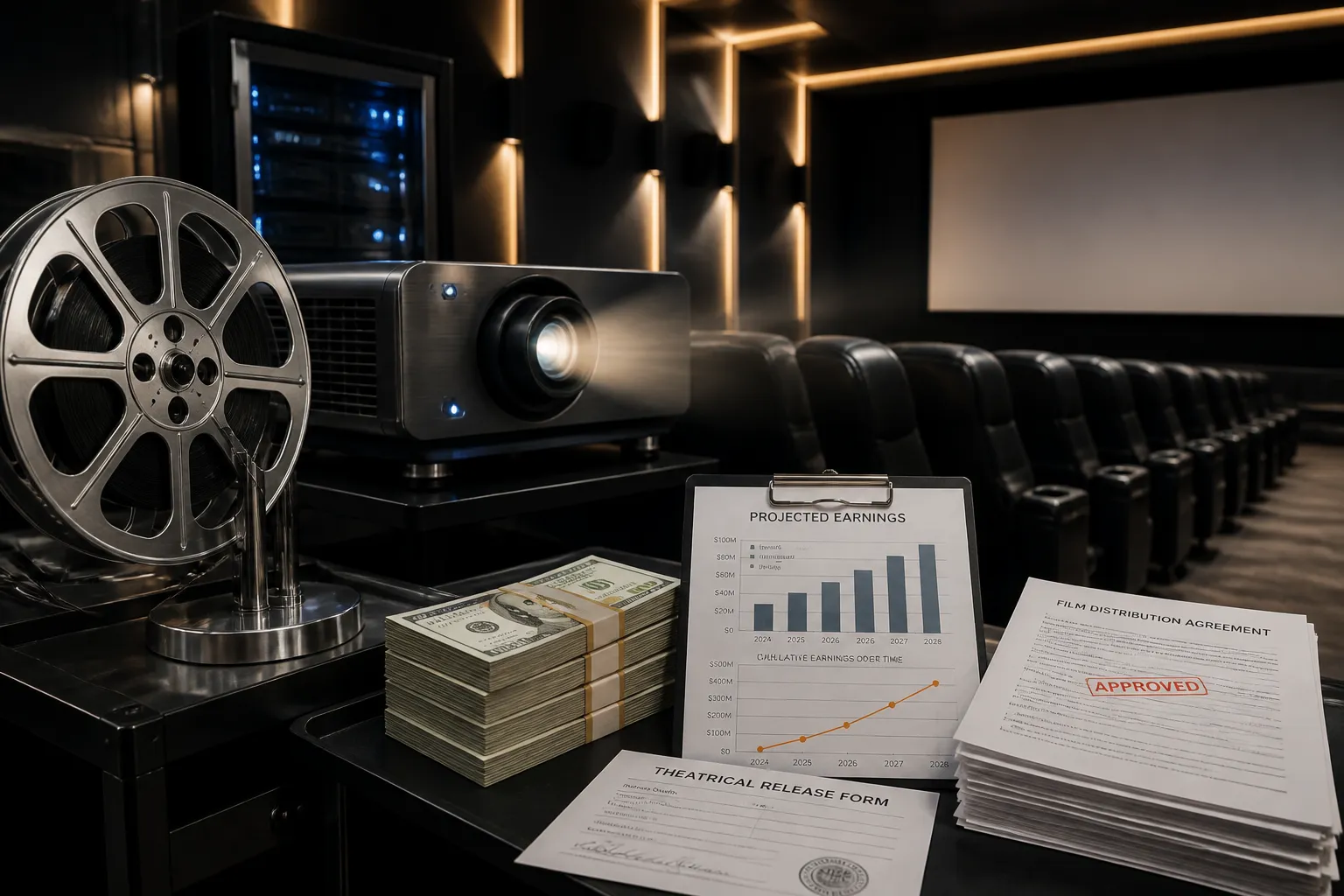
The first weekend did not deliver. Variety reports that Moana earned $43 million across 3,827 North American screens, while its global haul topped out at $95 million. Those figures placed the movie among Disney’s lowest‑grossing live‑action remakes, falling roughly 30 percent short of the studio’s projections.
The shortfall is part of a wider trend of franchise flops that have punctuated the 2026 summer. Disney’s own Supergirl, released June 28, pulled in $100.5 million worldwide against a $170–186 million budget. Amazon MGM’s Masters of the Universe and Lucasfilm’s Star Wars: The Mandalorian and Grogu opened to modest totals and suffered steep second‑weekend drops—$98 million for the Star Wars spinoff and a 77 percent decline for Supergirl. Illumination/Universal’s Minions & Monsters earned $62 million over its five‑day holiday weekend, a sharp drop from the $123 million it made in 2022.
Despite these missteps, the overall summer box office has been robust. Total theatrical revenue rose 23 percent from 2025, the strongest growth since the pandemic, and was largely powered by a handful of surprise hits. Gen‑Z‑led horror titles Obsession and Backrooms defied expectations, while original, non‑franchise offerings such as Project Hail Mary and The Devil Wears Prada 2 captured significant market share.
This pattern echoes a cautionary note from filmmaker Steven Spielberg. In a 2015 interview he warned that the superhero boom could implode, likening it to the decline of the Western in the 1960s. Spielberg remarked, “We were around when the Western died, and there will be a time when the superhero movie goes the way of the Western.” The recent flops of high‑budget fantasy and superhero films seem to confirm the cyclical nature of genre popularity.
Hollywood’s history offers a useful frame. The 1950s were dominated by MGM’s musical epics, while the 1960s saw a rapid decline in that genre. The 1970s ushered in a new wave of blockbusters, but the 2000s and 2010s shifted toward prestige event cinema and original content. The current slump in franchise films may signal a return to that earlier model.
Disney’s live‑action strategy has delivered mixed results. The Lion King, Aladdin, and Beauty and the Beast each earned over a billion dollars, whereas Snow White (2025) pulled in $205 million against a $336.5 million budget, incurring a $170 million loss. The studio’s 2025 Lilo & Stitch was a commercial success, netting $1.038 billion worldwide.
The Moana shortfall underscores the risk of revisiting a film that already achieved strong box‑office and streaming traction. The 2016 version grossed $687 million worldwide and remains a top‑streaming title on Disney+. Re‑examining the story nine years later, amid a crowded summer slate and a hefty production cost, may have diluted audience interest.
In the weeks ahead, Disney will assess Moana’s financial impact and decide whether to recalibrate its live‑action slate. Other studios are similarly re‑evaluating franchise strategies, and the 2026 summer may prove a turning point. A sustained trend of underperformance could prompt a gradual shift away from high‑budget remakes toward fresh, original storytelling, echoing Hollywood’s own historical cycles.
The broader industry will be watching closely. If the pattern continues, we may see a renewed focus on original content and a reassessment of the blockbuster formula, reshaping the way studios approach intellectual property in the years to come.
The first weekend did not deliver. Variety reports that Moana earned $43 million across 3,827 North American screens, while its global haul topped out at $95 million. Those figures placed the movie among Disney’s lowest‑grossing live‑action remakes, falling roughly 30 percent short of the studio’s projections.
The shortfall is part of a wider trend of franchise flops that have punctuated the 2026 summer. Disney’s own Supergirl, released June 28, pulled in $100.5 million worldwide against a $170–186 million budget. Amazon MGM’s Masters of the Universe and Lucasfilm’s Star Wars: The Mandalorian and Grogu opened to modest totals and suffered steep second‑weekend drops—$98 million for the Star Wars spinoff and a 77 percent decline for Supergirl. Illumination/Universal’s Minions & Monsters earned $62 million over its five‑day holiday weekend, a sharp drop from the $123 million it made in 2022.
Despite these missteps, the overall summer box office has been robust. Total theatrical revenue rose 23 percent from 2025, the strongest growth since the pandemic, and was largely powered by a handful of surprise hits. Gen‑Z‑led horror titles Obsession and Backrooms defied expectations, while original, non‑franchise offerings such as Project Hail Mary and The Devil Wears Prada 2 captured significant market share.
This pattern echoes a cautionary note from filmmaker Steven Spielberg. In a 2015 interview he warned that the superhero boom could implode, likening it to the decline of the Western in the 1960s. Spielberg remarked, “We were around when the Western died, and there will be a time when the superhero movie goes the way of the Western.” The recent flops of high‑budget fantasy and superhero films seem to confirm the cyclical nature of genre popularity.
Hollywood’s history offers a useful frame. The 1950s were dominated by MGM’s musical epics, while the 1960s saw a rapid decline in that genre. The 1970s ushered in a new wave of blockbusters, but the 2000s and 2010s shifted toward prestige event cinema and original content. The current slump in franchise films may signal a return to that earlier model.
Disney’s live‑action strategy has delivered mixed results. The Lion King, Aladdin, and Beauty and the Beast each earned over a billion dollars, whereas Snow White (2025) pulled in $205 million against a $336.5 million budget, incurring a $170 million loss. The studio’s 2025 Lilo & Stitch was a commercial success, netting $1.038 billion worldwide.
The Moana shortfall underscores the risk of revisiting a film that already achieved strong box‑office and streaming traction. The 2016 version grossed $687 million worldwide and remains a top‑streaming title on Disney+. Re‑examining the story nine years later, amid a crowded summer slate and a hefty production cost, may have diluted audience interest.
In the weeks ahead, Disney will assess Moana’s financial impact and decide whether to recalibrate its live‑action slate. Other studios are similarly re‑evaluating franchise strategies, and the 2026 summer may prove a turning point. A sustained trend of underperformance could prompt a gradual shift away from high‑budget remakes toward fresh, original storytelling, echoing Hollywood’s own historical cycles.
The broader industry will be watching closely. If the pattern continues, we may see a renewed focus on original content and a reassessment of the blockbuster formula, reshaping the way studios approach intellectual property in the years to come.