Blab Entertainment
Fernbank Museum to Screen Award-Winning Dolphin Documentary "Call of the Dolphins" on July 6
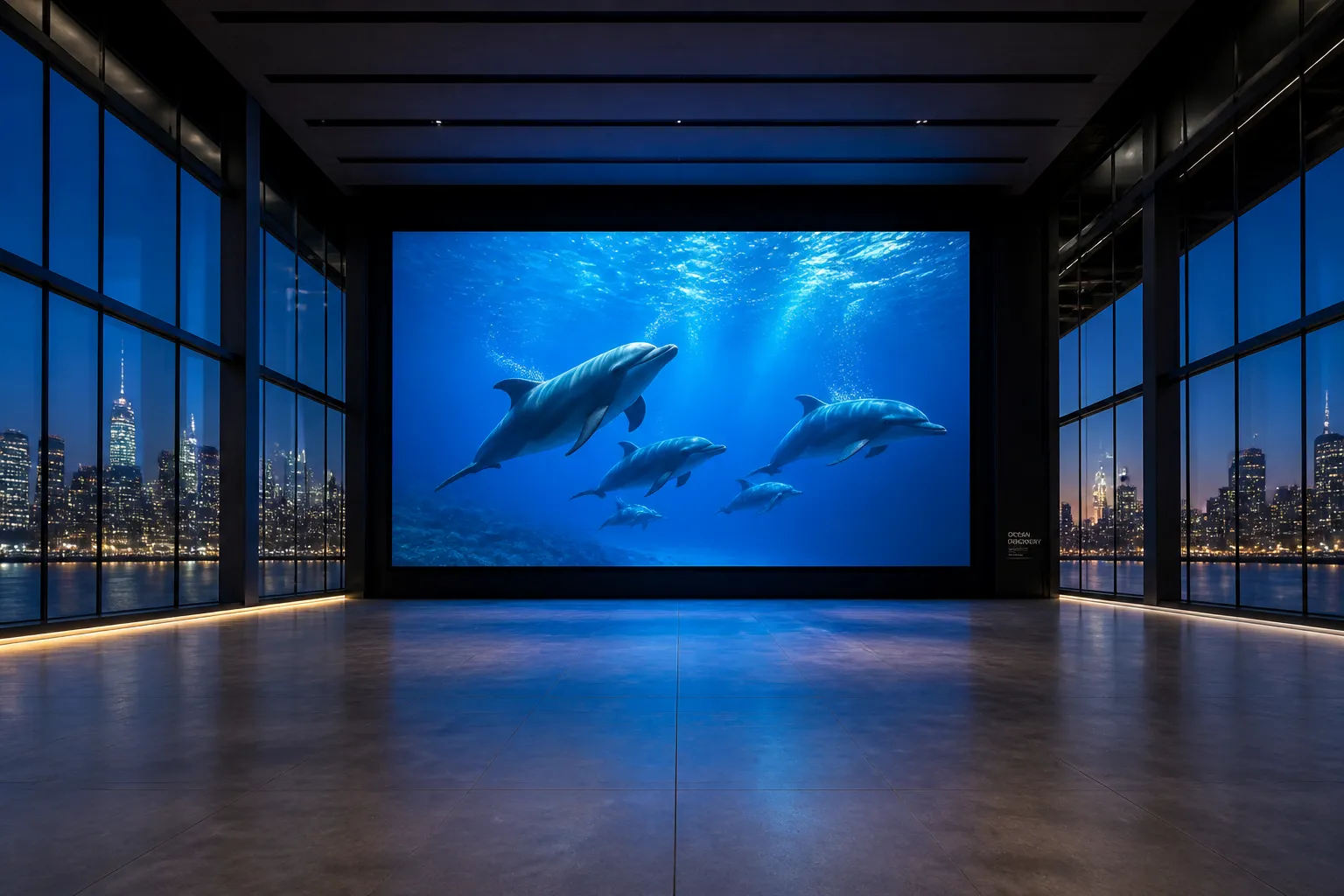
When the curtain rises on July 6, Atlanta’s Fernbank Museum will transform its Giant Screen Theater into a portal beneath the waves.
The 90‑minute feature, narrated by Academy Award‑winning actress Mary Steenburgen, follows researchers, conservationists and rescue teams as they uncover the secrets of dolphin behavior, communication and the challenges they face in their natural habitats. Its recent sweep of Best Film, Best Cinematography and Best Sound Design at the 2026 Giant Screen Cinema Association (GSCA) Achievement Awards underscores the film’s technical mastery and storytelling power.
The documentary takes viewers from the crystal‑clear waters of the Bahamas, where Atlantic spotted dolphins frolic, to the Hawaiian and Florida coasts, where scientists record signature whistles and the tender “baby talk” that bonds mothers and calves. In the Cape Cod section, the International Fund for Animal Welfare (IFAW) rescue team is shown pulling hundreds of stranded dolphins from the shore each year, turning hope into action.
"Humans have long been fascinated by these magnificent mammals and their playful antics," said Dr. Bobbi Hohmann, Fernbank’s Vice President of Programming and Collections. "These complex animals play an important role in the ecosystem, and through their charismatic personalities, inspire us to protect and conserve the world’s oceans."
A central thread of the film is the work of Captain Wayne Scott Smith, who has spent more than three decades building a relationship with Atlantic spotted dolphins in the Bahamas. Smith’s partnership has enabled researchers and visitors alike to observe and interact with native dolphin pods in their natural habitat, providing a rare glimpse into the social fabric of these intelligent creatures.
Beyond showcasing dolphin intelligence and social life, Call of the Dolphins addresses threats such as pollution, habitat disruption and strandings. The IFAW team in Cape Cod is featured rescuing hundreds of stranded dolphins each year. The film’s production was led by director Jonathan Bird and produced by Oceanic Research Group Films, with MacGillivray Freeman Films presenting the project.
The Giant Screen Theater experience is included with general admission to Fernbank Museum, which offers access to three floors of exhibits, the theater, and the Fernbank Forest and WildWoods outdoor areas. Tickets and additional information are available through the museum’s website.
Call of the Dolphins is positioned as an educational and immersive experience for audiences of all ages. The film combines adventure, science and conservation into a visually stunning format that encourages viewers to develop a deeper appreciation for the ocean and its wildlife.
The July 6 screening follows the film’s recent GSCA awards, which recognized the documentary’s excellence in filmmaking and technical achievement. The GSCA Achievement Awards celebrate innovation and quality in giant‑screen cinema, and Call of the Dolphins was honored in three categories.
The documentary’s release at Fernbank aligns with the museum’s mission to provide science‑based programming. By pairing the film with the museum’s broader educational offerings, Fernbank offers a comprehensive experience that highlights marine science and conservation.
The film’s inclusion in the museum’s general admission package means visitors can experience the giant‑screen documentary without an additional fee, making it an attractive option for families and school groups. The museum’s location at 767 Clifton Road NE in Atlanta places it within easy reach of the city’s cultural institutions.
Call of the Dolphins will run in the Giant Screen Theater until the end of August, after which the film will be available for future screenings at other venues that host GSCA‑approved content.
In summary, Fernbank Museum’s July 6 premiere of Call of the Dolphins offers audiences an award‑winning, immersive look at dolphin life and conservation. The film’s combination of expert narration, high‑quality cinematography and real‑world conservation stories positions it as a significant addition to the museum’s educational programming.
The 90‑minute feature, narrated by Academy Award‑winning actress Mary Steenburgen, follows researchers, conservationists and rescue teams as they uncover the secrets of dolphin behavior, communication and the challenges they face in their natural habitats. Its recent sweep of Best Film, Best Cinematography and Best Sound Design at the 2026 Giant Screen Cinema Association (GSCA) Achievement Awards underscores the film’s technical mastery and storytelling power.
The documentary takes viewers from the crystal‑clear waters of the Bahamas, where Atlantic spotted dolphins frolic, to the Hawaiian and Florida coasts, where scientists record signature whistles and the tender “baby talk” that bonds mothers and calves. In the Cape Cod section, the International Fund for Animal Welfare (IFAW) rescue team is shown pulling hundreds of stranded dolphins from the shore each year, turning hope into action.
"Humans have long been fascinated by these magnificent mammals and their playful antics," said Dr. Bobbi Hohmann, Fernbank’s Vice President of Programming and Collections. "These complex animals play an important role in the ecosystem, and through their charismatic personalities, inspire us to protect and conserve the world’s oceans."
A central thread of the film is the work of Captain Wayne Scott Smith, who has spent more than three decades building a relationship with Atlantic spotted dolphins in the Bahamas. Smith’s partnership has enabled researchers and visitors alike to observe and interact with native dolphin pods in their natural habitat, providing a rare glimpse into the social fabric of these intelligent creatures.
Beyond showcasing dolphin intelligence and social life, Call of the Dolphins addresses threats such as pollution, habitat disruption and strandings. The IFAW team in Cape Cod is featured rescuing hundreds of stranded dolphins each year. The film’s production was led by director Jonathan Bird and produced by Oceanic Research Group Films, with MacGillivray Freeman Films presenting the project.
The Giant Screen Theater experience is included with general admission to Fernbank Museum, which offers access to three floors of exhibits, the theater, and the Fernbank Forest and WildWoods outdoor areas. Tickets and additional information are available through the museum’s website.
Call of the Dolphins is positioned as an educational and immersive experience for audiences of all ages. The film combines adventure, science and conservation into a visually stunning format that encourages viewers to develop a deeper appreciation for the ocean and its wildlife.
The July 6 screening follows the film’s recent GSCA awards, which recognized the documentary’s excellence in filmmaking and technical achievement. The GSCA Achievement Awards celebrate innovation and quality in giant‑screen cinema, and Call of the Dolphins was honored in three categories.
The documentary’s release at Fernbank aligns with the museum’s mission to provide science‑based programming. By pairing the film with the museum’s broader educational offerings, Fernbank offers a comprehensive experience that highlights marine science and conservation.
The film’s inclusion in the museum’s general admission package means visitors can experience the giant‑screen documentary without an additional fee, making it an attractive option for families and school groups. The museum’s location at 767 Clifton Road NE in Atlanta places it within easy reach of the city’s cultural institutions.
Call of the Dolphins will run in the Giant Screen Theater until the end of August, after which the film will be available for future screenings at other venues that host GSCA‑approved content.
In summary, Fernbank Museum’s July 6 premiere of Call of the Dolphins offers audiences an award‑winning, immersive look at dolphin life and conservation. The film’s combination of expert narration, high‑quality cinematography and real‑world conservation stories positions it as a significant addition to the museum’s educational programming.