Blab Entertainment
From Ocean to Outer Space: How Spielbergs Jaws Continues to Shape Modern Creature Features
When a silent, unseen predator stalks a sleepy beach town, a single film altered the way Hollywood builds fear.
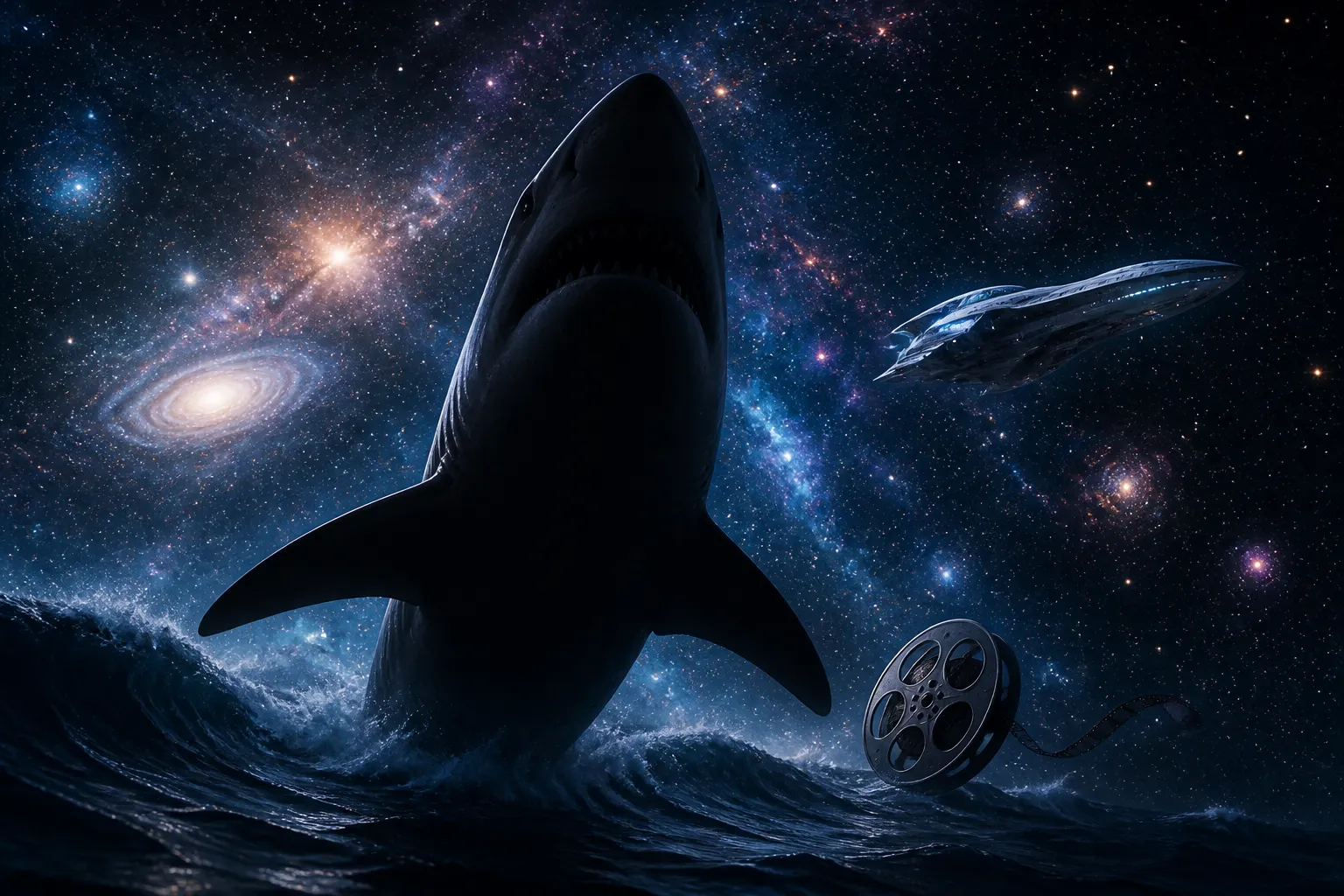
Steven Spielberg’s Jaws, released by Universal Pictures in June 1975, was the first major motion picture shot on the ocean. Filmed largely on Martha’s Vineyard, the production wrestled with mechanical failures and a tight schedule, yet the result was a masterclass in tension. John Williams’ minimalist score and Spielberg’s choice to hint at the shark rather than show it in full became the hallmarks of a new kind of suspense. A wide release on more than 450 screens, coupled with an aggressive marketing push, set the template for the modern summer blockbuster.
Ridley Scott’s 1979 science‑fiction horror Alien translated that template to the void of space. Instead of a shark prowling the waves, a deadly extraterrestrial stalks the crew of a commercial freighter. Scott, like Spielberg, relied on sound and shadow to build dread before the creature’s full reveal. Premiering at the Seattle International Film Festival, Alien earned an Academy Award for Best Visual Effects and spawned a franchise that has continued to explore the theme of an unseen, unstoppable threat.
In 2018, John Krasinski’s A Quiet Place brought the Jaws formula into a post‑apocalyptic world where sound itself becomes a weapon. The film follows a family living under the constant threat of noise‑hunters, turning everyday noise into a source of danger. Premiering at South by Southwest, the movie grossed more than $340 million worldwide, proving that the core elements of suspense, vulnerability, and the fear of the unknown can be adapted to any setting.
The 1996 monster comedy Tremors applied the same structure to a desert town under siege by giant underground creatures called Graboids. Though the film mixes humor with thrills, it still follows an isolated community confronting an impossible threat and relying on ingenuity rather than brute force to survive. The blend of suspense and comedy demonstrates how the Jaws blueprint can accommodate a lighter tone.
Lake Placid (1999) asks what happens when a gigantic crocodile lurks in a seemingly peaceful lake. The film fuses horror with humor, featuring escalating attacks and a community in crisis. Its giant aquatic predator and mounting danger echo the core elements of Jaws, illustrating the template’s flexibility across different environments.
Jordan Peele’s 2022 film Nope offers a more inventive reinterpretation of the Jaws formula. The threat hides in the sky above a remote California ranch, and the characters become obsessed with understanding and confronting a predator they can barely comprehend. Nope recreates the sense of dread and fascination that made Jaws effective, while adding spectacle, suspense, and social commentary.
The lasting influence of Jaws lies in its simplicity: suspense, vulnerability, and the fear of the unknown. Whether the threat is a shark, an alien, a sound‑hunting creature, a subterranean worm, a crocodile, or a sky‑borne entity, the basic ingredients remain the same. These six films demonstrate that Spielberg’s masterpiece did more than create a blockbuster; it established a storytelling template that continues to be reinvented by filmmakers today.
Because the core principles of unseen menace and escalating tension are so effective, new directors and writers keep returning to the Jaws blueprint. The legacy of the 1975 film endures in the ongoing production of creature features that rely on unseen threats to generate tension, proving that the fundamentals that defined Jaws remain central to the genre’s evolution.
Steven Spielberg’s Jaws, released by Universal Pictures in June 1975, was the first major motion picture shot on the ocean. Filmed largely on Martha’s Vineyard, the production wrestled with mechanical failures and a tight schedule, yet the result was a masterclass in tension. John Williams’ minimalist score and Spielberg’s choice to hint at the shark rather than show it in full became the hallmarks of a new kind of suspense. A wide release on more than 450 screens, coupled with an aggressive marketing push, set the template for the modern summer blockbuster.
Ridley Scott’s 1979 science‑fiction horror Alien translated that template to the void of space. Instead of a shark prowling the waves, a deadly extraterrestrial stalks the crew of a commercial freighter. Scott, like Spielberg, relied on sound and shadow to build dread before the creature’s full reveal. Premiering at the Seattle International Film Festival, Alien earned an Academy Award for Best Visual Effects and spawned a franchise that has continued to explore the theme of an unseen, unstoppable threat.
In 2018, John Krasinski’s A Quiet Place brought the Jaws formula into a post‑apocalyptic world where sound itself becomes a weapon. The film follows a family living under the constant threat of noise‑hunters, turning everyday noise into a source of danger. Premiering at South by Southwest, the movie grossed more than $340 million worldwide, proving that the core elements of suspense, vulnerability, and the fear of the unknown can be adapted to any setting.
The 1996 monster comedy Tremors applied the same structure to a desert town under siege by giant underground creatures called Graboids. Though the film mixes humor with thrills, it still follows an isolated community confronting an impossible threat and relying on ingenuity rather than brute force to survive. The blend of suspense and comedy demonstrates how the Jaws blueprint can accommodate a lighter tone.
Lake Placid (1999) asks what happens when a gigantic crocodile lurks in a seemingly peaceful lake. The film fuses horror with humor, featuring escalating attacks and a community in crisis. Its giant aquatic predator and mounting danger echo the core elements of Jaws, illustrating the template’s flexibility across different environments.
Jordan Peele’s 2022 film Nope offers a more inventive reinterpretation of the Jaws formula. The threat hides in the sky above a remote California ranch, and the characters become obsessed with understanding and confronting a predator they can barely comprehend. Nope recreates the sense of dread and fascination that made Jaws effective, while adding spectacle, suspense, and social commentary.
The lasting influence of Jaws lies in its simplicity: suspense, vulnerability, and the fear of the unknown. Whether the threat is a shark, an alien, a sound‑hunting creature, a subterranean worm, a crocodile, or a sky‑borne entity, the basic ingredients remain the same. These six films demonstrate that Spielberg’s masterpiece did more than create a blockbuster; it established a storytelling template that continues to be reinvented by filmmakers today.
Because the core principles of unseen menace and escalating tension are so effective, new directors and writers keep returning to the Jaws blueprint. The legacy of the 1975 film endures in the ongoing production of creature features that rely on unseen threats to generate tension, proving that the fundamentals that defined Jaws remain central to the genre’s evolution.