Blab Entertainment
Toy Story: The 1995 Animation Milestone That Launched Pixar and Shaped Modern CGI
Toy Story premiered at the El Capitan Theatre in Los Angeles on November 19, 1995, and opened in U.S. cinemas on November 22. The film was directed by John Lasseter and written by a team that included Joss Whedon, Andrew Stanton, Joel Cohen, and Alec Sokolow. It was the first feature‑length film produced entirely with computer‑generated imagery and the first feature released by Pixar Animation Studios.
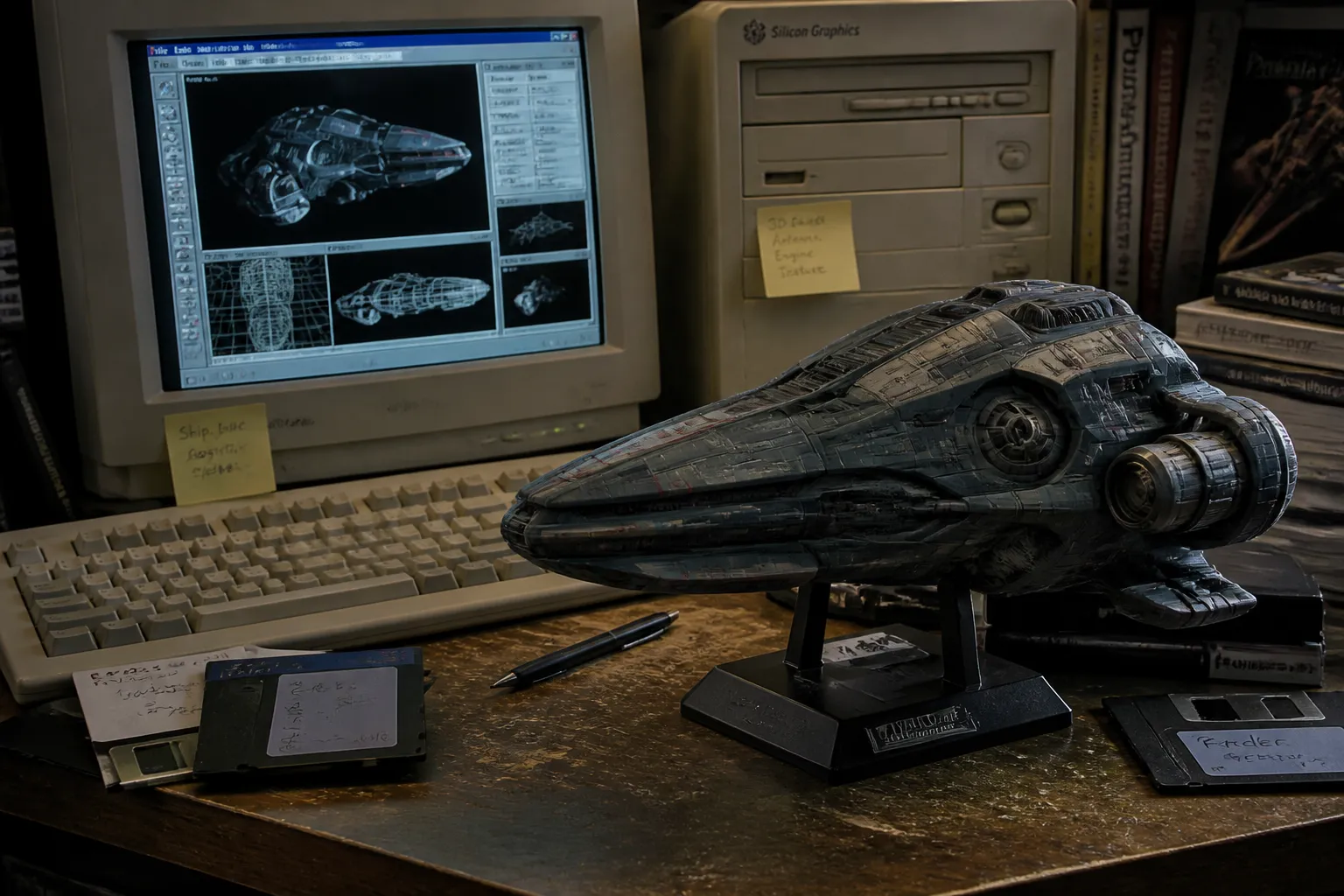
The project followed Pixar’s 1989 short Tin Toy, which had earned an Academy Award for Best Animated Short. Disney approached Pixar to create a full‑length feature after seeing the potential of the company’s computer animation technology. Production began in 1993, and the studio faced significant technical and financial constraints. Pixar’s RenderMan software, which had been developed for the studio’s earlier work, was used to render the film’s visuals.
The story follows Woody, an old‑fashioned cowboy doll voiced by Tom Hanks, who becomes jealous when a new toy, Buzz Lightyear, voiced by Tim Allen, arrives in the home of a boy named Andy. The film explores themes of friendship, jealousy, and identity through the eyes of toys that come to life when humans are not present. The narrative is driven by the conflict between Woody’s desire to remain Andy’s favorite and Buzz’s belief that he is a real space ranger.
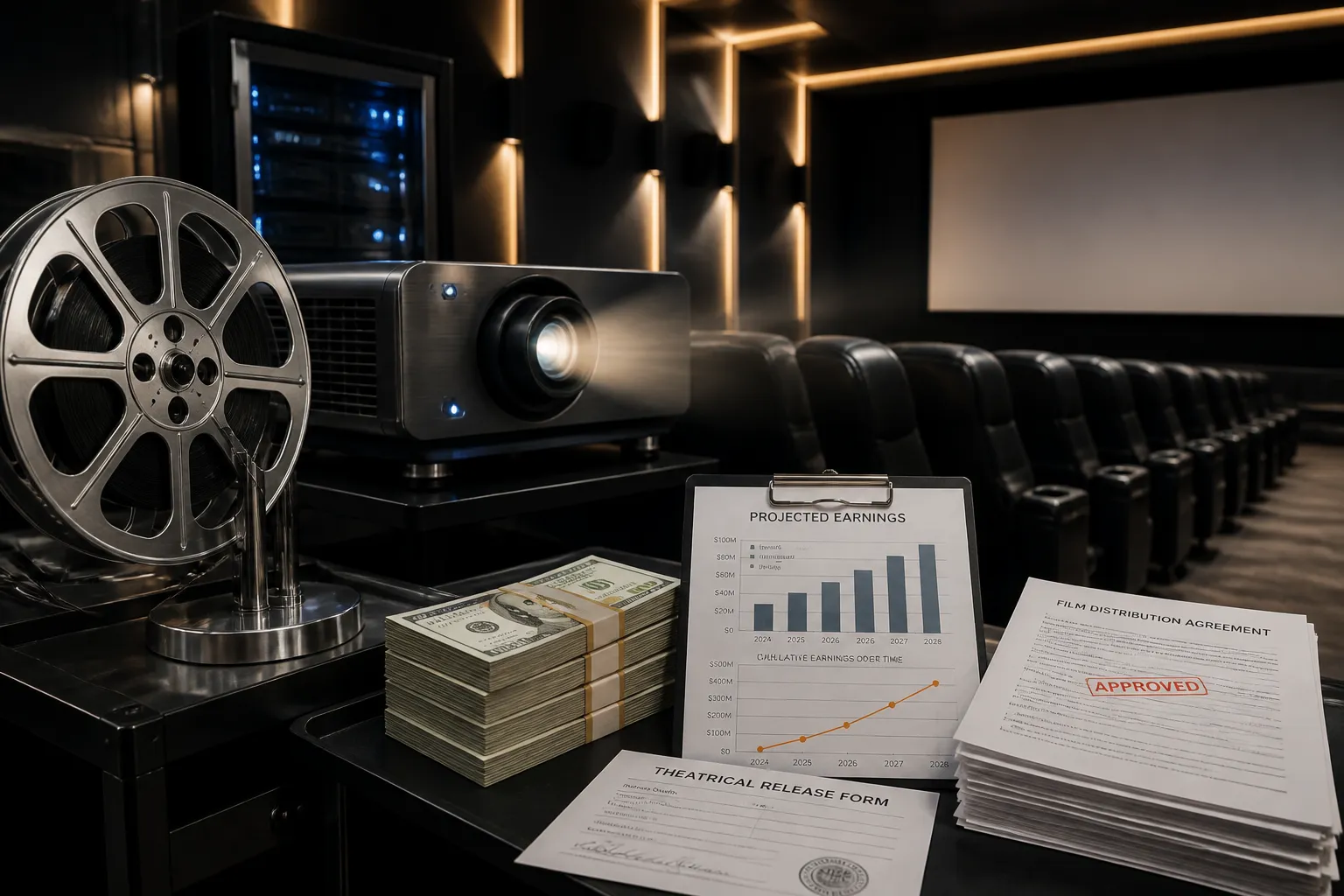
Toy Story’s release was a commercial success. It set a record for the highest‑grossing opening weekend of 1995 and eventually earned more than $363 million worldwide. The film’s box‑office performance helped establish Pixar as a major player in the animation industry and paved the way for future releases such as A Bug’s Life (1998) and Toy Story 2 (1999).
Critical reception was overwhelmingly positive. Review aggregators report a 100% approval rating on Rotten Tomatoes, and the film received three Academy Award nominations: Best Original Screenplay, Best Original Song for “You’ve Got a Friend in Me,” and Best Original Score. It also earned a Special Achievement Award for its pioneering use of computer animation.
In 2005, Toy Story was selected for preservation in the United States National Film Registry by the Library of Congress, a designation given to films that are culturally, historically, or aesthetically significant.
The film’s success spawned a franchise that includes four sequels—Toy Story 2 (1999), Toy Story 3 (2010), Toy Story 4 (2019)—and a spin‑off, Lightyear (2022). The franchise has become one of Pixar’s most profitable properties, with the sequels collectively grossing over $2.5 billion.
Beyond its commercial achievements, Toy Story is credited with demonstrating the viability of computer‑generated animation for mainstream audiences. Its realistic depiction of plastic toys and the physicality of their movements set a new standard for visual storytelling in animation. The film’s blend of humor, emotional depth, and technical innovation influenced subsequent Pixar projects such as Up (2009) and Inside Out (2015).
The film is currently available for streaming on Disney+, where it remains a popular title for families and animation enthusiasts. Disney’s continued promotion of the franchise, including the release of a 30th‑anniversary edition in 2025, underscores the enduring relevance of Toy Story in the contemporary entertainment landscape.
In summary, Toy Story was a landmark achievement that combined groundbreaking technology, strong storytelling, and commercial success. It established Pixar as a leader in computer animation, launched a multi‑film franchise, and set a benchmark for future animated features.
The project followed Pixar’s 1989 short Tin Toy, which had earned an Academy Award for Best Animated Short. Disney approached Pixar to create a full‑length feature after seeing the potential of the company’s computer animation technology. Production began in 1993, and the studio faced significant technical and financial constraints. Pixar’s RenderMan software, which had been developed for the studio’s earlier work, was used to render the film’s visuals.
The story follows Woody, an old‑fashioned cowboy doll voiced by Tom Hanks, who becomes jealous when a new toy, Buzz Lightyear, voiced by Tim Allen, arrives in the home of a boy named Andy. The film explores themes of friendship, jealousy, and identity through the eyes of toys that come to life when humans are not present. The narrative is driven by the conflict between Woody’s desire to remain Andy’s favorite and Buzz’s belief that he is a real space ranger.
Toy Story’s release was a commercial success. It set a record for the highest‑grossing opening weekend of 1995 and eventually earned more than $363 million worldwide. The film’s box‑office performance helped establish Pixar as a major player in the animation industry and paved the way for future releases such as A Bug’s Life (1998) and Toy Story 2 (1999).
Critical reception was overwhelmingly positive. Review aggregators report a 100% approval rating on Rotten Tomatoes, and the film received three Academy Award nominations: Best Original Screenplay, Best Original Song for “You’ve Got a Friend in Me,” and Best Original Score. It also earned a Special Achievement Award for its pioneering use of computer animation.
In 2005, Toy Story was selected for preservation in the United States National Film Registry by the Library of Congress, a designation given to films that are culturally, historically, or aesthetically significant.
The film’s success spawned a franchise that includes four sequels—Toy Story 2 (1999), Toy Story 3 (2010), Toy Story 4 (2019)—and a spin‑off, Lightyear (2022). The franchise has become one of Pixar’s most profitable properties, with the sequels collectively grossing over $2.5 billion.
Beyond its commercial achievements, Toy Story is credited with demonstrating the viability of computer‑generated animation for mainstream audiences. Its realistic depiction of plastic toys and the physicality of their movements set a new standard for visual storytelling in animation. The film’s blend of humor, emotional depth, and technical innovation influenced subsequent Pixar projects such as Up (2009) and Inside Out (2015).
The film is currently available for streaming on Disney+, where it remains a popular title for families and animation enthusiasts. Disney’s continued promotion of the franchise, including the release of a 30th‑anniversary edition in 2025, underscores the enduring relevance of Toy Story in the contemporary entertainment landscape.
In summary, Toy Story was a landmark achievement that combined groundbreaking technology, strong storytelling, and commercial success. It established Pixar as a leader in computer animation, launched a multi‑film franchise, and set a benchmark for future animated features.