Blab Entertainment
Summerween 2026: How the Mid-Summer Halloween Trend Is Fueling a New Wave of Horror Movies and Merchandise
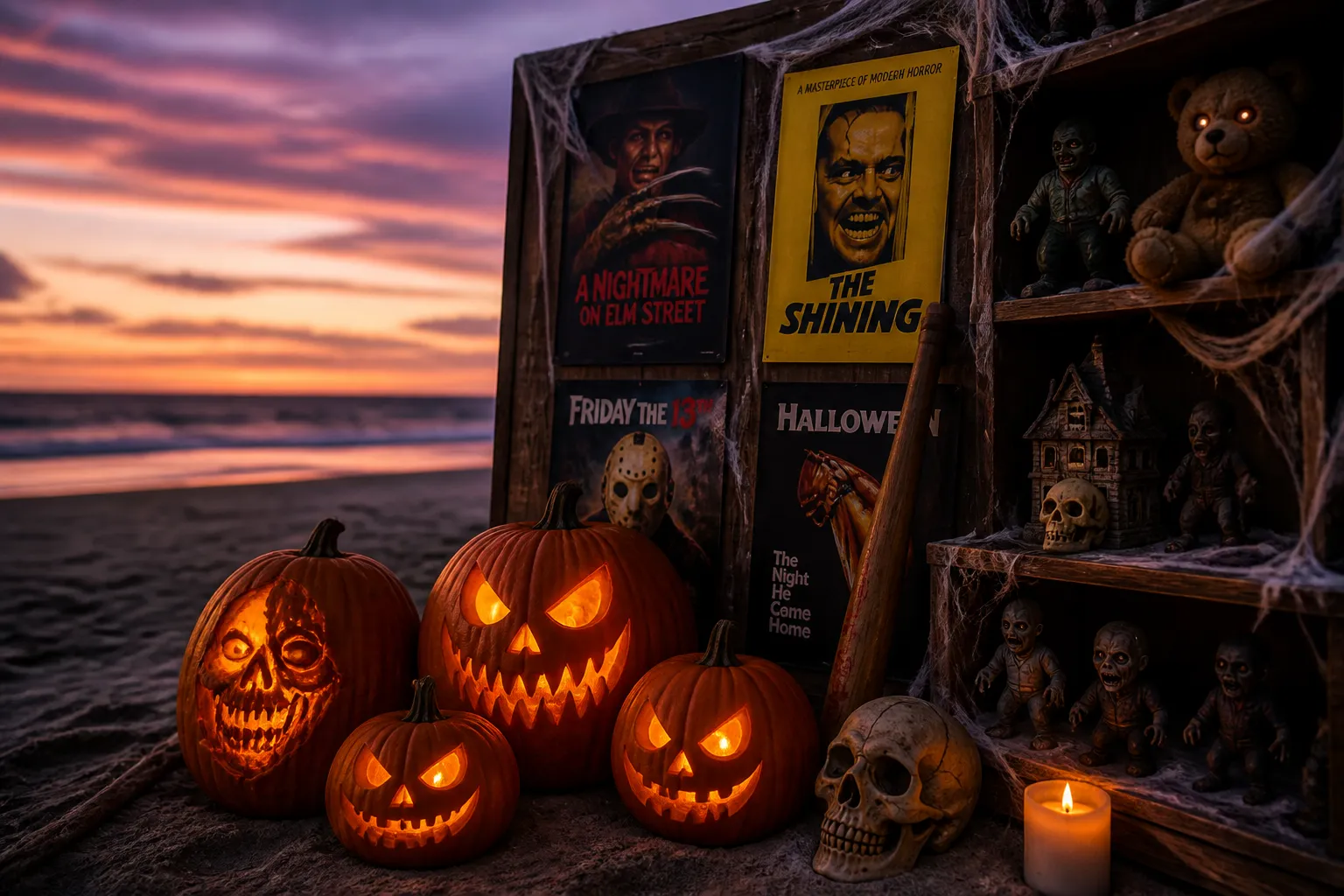
Summerween—summer plus Halloween—has morphed into a cultural and retail juggernaut that invites audiences to trade flip‑flops for frights and neon pumpkins for neon lights. The word first surfaced in the 2012 Gravity Falls episode “Summerween,” where the town’s residents celebrate Halloween twice a year. Fans began marking June 22, the episode’s original air date, as a new holiday, and the trend has since spread to any summer day that feels spooky enough.
Wikipedia labels Summerween an informal cultural and retail phenomenon that blends the eerie rituals of Halloween with the heat of summer. In practice, the term has become a marketing shorthand. Retailers line up limited‑edition costumes, pumpkins, and décor in late spring and early summer, while streaming platforms and film studios use the label to push summer‑release horror titles that carry a Halloween vibe.
The trend’s roots lie in classic summer‑horror films that have become seasonal staples. Steven Spielberg’s 1975 shark thriller Jaws is often cited as the gold standard of summer terror, while the 1980 slasher Friday the 13th set the template for camp‑camp slasher movies. The 2006 remake of The Hills Have Eyes brought cannibalism to the desert, and The Ruins (2008) added a claustrophobic jungle twist. More recent entries—I Know What You Did Last Summer (2025), Ma (2019), Piranha 3D (2010), It Follows (2014), Midsommar (2019), The Burning (1981), Lake Placid (1999), The Wicker Man (1973), Blood Hook (1987), Summer of ’84 (2018), What Lies Beneath (2000), Tourist Trap (1979), Eden Lake (2008), The Hitcher (2007), and Jeepers Creepers (2001) round out the canon.
In the last few years, a new cohort of summer‑horror films has joined the lineup. Jordan Peele’s 2022 beach‑vacation horror, starring Lupita Nyong o in a dual role, explores the idea that the scariest threat can come from within. Ryan Coogler’s 2022 Southern‑Gothic vampire epic reimagines the summer‑camp story with a gritty, genre‑bending twist. Netflix’s Fear Street trilogy, released in 2023, pays homage to late‑70s slashers, with Part Two set in Camp Nightwing. Ti West’s 2023 slasher The House on the Lake brings a sun‑lit, unapologetic setting to the genre, blending self‑aware satire with a Gen Z‑centric narrative that ends on a surprise twist.
For viewers looking to extend their binge, the trend offers a wide array of options. In addition to the classics, titles such as Disturbing Behavior (1998), The Hills Have Eyes (2006), The Ruins (2008), I Know What You Did Last Summer (2025), Ma (2019), Piranha 3D (2010), It Follows (2014), Midsommar (2019), The Burning (1981), Lake Placid (1999), The Wicker Man (1973), Blood Hook (1987), Summer of ’84 (2018), What Lies Beneath (2000), Tourist Trap (1979), Eden Lake (2008), The Hitcher (2007), and Jeepers Creepers (2001) are all ready for a summer scare.
Retailers have responded by timing seasonal launches to match the Summerween buzz. Limited‑edition costumes, pumpkins, and spooky décor appear in late spring, while streaming services slot horror releases to align with the period. Film studios are also taking notice; titles that traditionally perform well in October are now being slated for summer releases to capture the same audience appetite.
In short, Summerween has grown from a fan‑created holiday into a mainstream cultural and commercial force. It encourages audiences to revel in Halloween‑style entertainment during the heat of summer and has prompted a catalog of both classic and contemporary horror films that fit the seasonal mood. The trend continues to shape retail calendars, streaming release schedules, and horror marketing strategies throughout the year.
Wikipedia labels Summerween an informal cultural and retail phenomenon that blends the eerie rituals of Halloween with the heat of summer. In practice, the term has become a marketing shorthand. Retailers line up limited‑edition costumes, pumpkins, and décor in late spring and early summer, while streaming platforms and film studios use the label to push summer‑release horror titles that carry a Halloween vibe.
The trend’s roots lie in classic summer‑horror films that have become seasonal staples. Steven Spielberg’s 1975 shark thriller Jaws is often cited as the gold standard of summer terror, while the 1980 slasher Friday the 13th set the template for camp‑camp slasher movies. The 2006 remake of The Hills Have Eyes brought cannibalism to the desert, and The Ruins (2008) added a claustrophobic jungle twist. More recent entries—I Know What You Did Last Summer (2025), Ma (2019), Piranha 3D (2010), It Follows (2014), Midsommar (2019), The Burning (1981), Lake Placid (1999), The Wicker Man (1973), Blood Hook (1987), Summer of ’84 (2018), What Lies Beneath (2000), Tourist Trap (1979), Eden Lake (2008), The Hitcher (2007), and Jeepers Creepers (2001) round out the canon.
In the last few years, a new cohort of summer‑horror films has joined the lineup. Jordan Peele’s 2022 beach‑vacation horror, starring Lupita Nyong o in a dual role, explores the idea that the scariest threat can come from within. Ryan Coogler’s 2022 Southern‑Gothic vampire epic reimagines the summer‑camp story with a gritty, genre‑bending twist. Netflix’s Fear Street trilogy, released in 2023, pays homage to late‑70s slashers, with Part Two set in Camp Nightwing. Ti West’s 2023 slasher The House on the Lake brings a sun‑lit, unapologetic setting to the genre, blending self‑aware satire with a Gen Z‑centric narrative that ends on a surprise twist.
For viewers looking to extend their binge, the trend offers a wide array of options. In addition to the classics, titles such as Disturbing Behavior (1998), The Hills Have Eyes (2006), The Ruins (2008), I Know What You Did Last Summer (2025), Ma (2019), Piranha 3D (2010), It Follows (2014), Midsommar (2019), The Burning (1981), Lake Placid (1999), The Wicker Man (1973), Blood Hook (1987), Summer of ’84 (2018), What Lies Beneath (2000), Tourist Trap (1979), Eden Lake (2008), The Hitcher (2007), and Jeepers Creepers (2001) are all ready for a summer scare.
Retailers have responded by timing seasonal launches to match the Summerween buzz. Limited‑edition costumes, pumpkins, and spooky décor appear in late spring, while streaming services slot horror releases to align with the period. Film studios are also taking notice; titles that traditionally perform well in October are now being slated for summer releases to capture the same audience appetite.
In short, Summerween has grown from a fan‑created holiday into a mainstream cultural and commercial force. It encourages audiences to revel in Halloween‑style entertainment during the heat of summer and has prompted a catalog of both classic and contemporary horror films that fit the seasonal mood. The trend continues to shape retail calendars, streaming release schedules, and horror marketing strategies throughout the year.