Blab Entertainment
Charlie Puth Turns Studio Into Live-Streamed Classroom, Redefining Fan Engagement
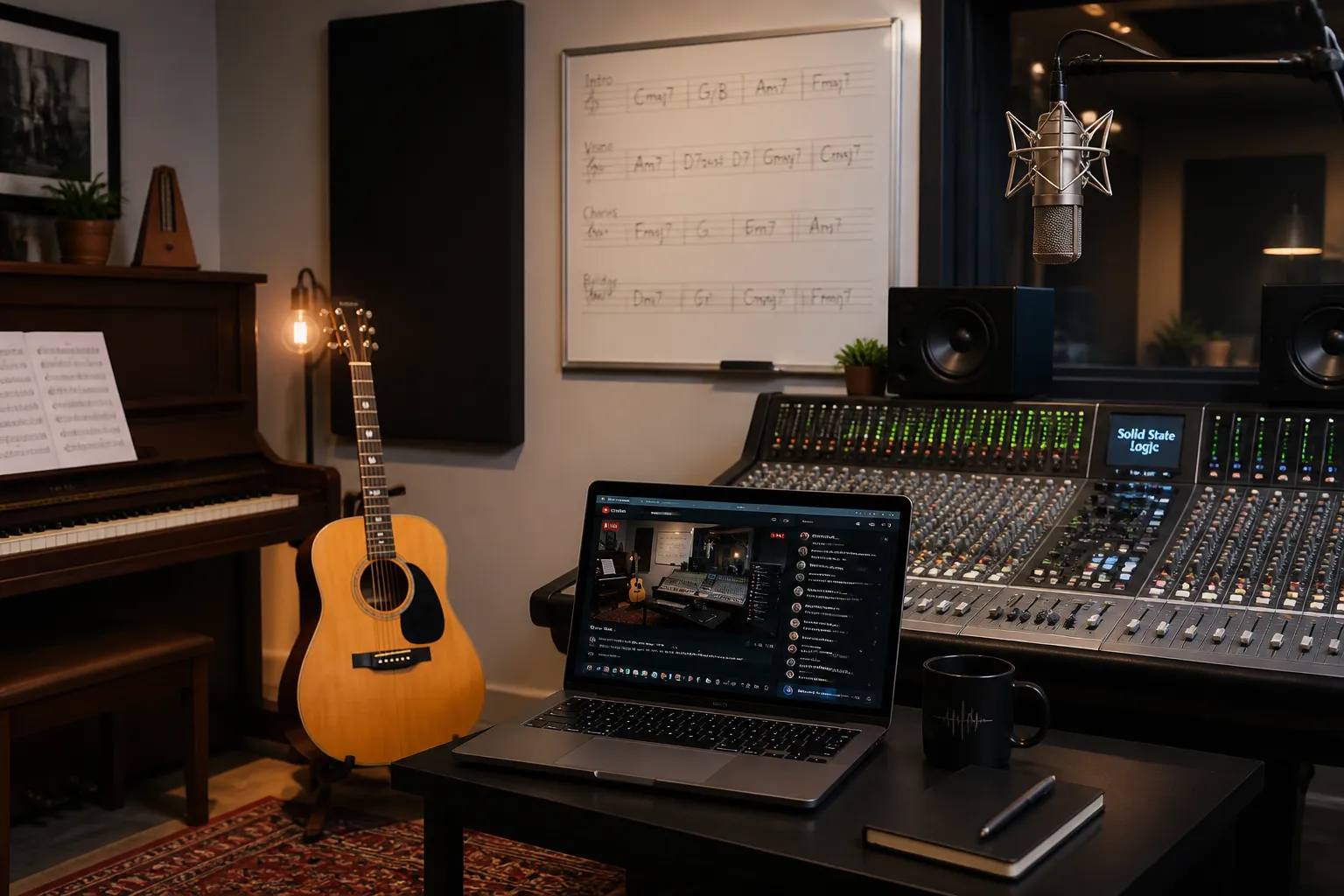
Charlie Puth has turned his home studio into a live‑streamed classroom, inviting fans to witness every click and tweak that turns a melody into a chart‑topper.
The singer‑songwriter’s journey began with viral YouTube covers, and he signed with the label eleveneleven in 2011. His breakthrough single, “Marvin Gaye,” dropped in 2015 and paved the way for a co‑production on Wiz Khalifa’s “See You Again.” The track topped the Billboard Hot 100 for 12 non‑consecutive weeks and earned a Diamond certification from the RIAA. Puth’s second studio album, Voicenotes (2018), produced the single “Attention,” which peaked at number 5 on the Hot 100 and was certified 6× Platinum. His third album, Charlie (2022), entered the Billboard 200 in the top‑10, and his fourth record, Whatever’s Clever! hit shelves in March 2026.
According to Wikipedia, Puth studied jazz piano at Berklee College of Music, a foundation that informs his meticulous approach to harmony and production. He is also renowned for his perfect pitch, allowing him to identify notes without reference. On Instagram, he posted a video of himself working in a home studio, noting that he uses Avid Pro Tools and has created an “80‑track choir” by layering his own humming. Equipboard records that he frequently uses Pro Tools for his projects.
Puth’s social‑media content extends beyond simple studio footage. In a 2026 interview with NAMM, he explained that he deliberately shares “raw, high‑level technical breakdowns” of his process, citing TikTok as a platform that encourages openness. A 2026 article on Young Hollywood described how he invites fans to see the exact frequency of a squeaky door and how that sound can become a hook. The same article notes that he often demonstrates how everyday sounds are incorporated into a pop arrangement.
The transparency has had measurable effects on his audience. Fans who watch his TikTok clips report a sense of co‑ownership of the final product; they can trace a melody or chord progression back to a specific studio session. This participatory model contrasts with traditional album rollouts, where the creative process is largely hidden. By demystifying production, Puth has turned passive listeners into active participants who understand the technical skill behind the music.
Industry observers see Puth’s strategy as part of a broader shift toward artist‑fan interaction via social media. A 2026 article on The Vision Daily notes that his “producer‑brain pop” style—focused on the mechanics of what makes a song irresistible—has influenced other pop artists to share behind‑the‑scenes content. The approach also aligns with the growing demand for authenticity in the music industry, a trend that has been amplified by platforms like TikTok.
Puth’s upcoming projects include the promotion of Whatever’s Clever! and the launch of a new app on Studio.com that offers step‑by‑step lessons based on his own songwriting sessions. He is also scheduled to perform a series of live sessions at the NAMM 2026 conference, where he will discuss the role of technology in modern pop production.
In summary, Charlie Puth’s public studio sessions have created a new model of fan engagement that blends education, transparency, and entertainment. While the long‑term impact on the industry remains to be seen, his current activities demonstrate a successful integration of production expertise with social‑media outreach.
The singer‑songwriter’s journey began with viral YouTube covers, and he signed with the label eleveneleven in 2011. His breakthrough single, “Marvin Gaye,” dropped in 2015 and paved the way for a co‑production on Wiz Khalifa’s “See You Again.” The track topped the Billboard Hot 100 for 12 non‑consecutive weeks and earned a Diamond certification from the RIAA. Puth’s second studio album, Voicenotes (2018), produced the single “Attention,” which peaked at number 5 on the Hot 100 and was certified 6× Platinum. His third album, Charlie (2022), entered the Billboard 200 in the top‑10, and his fourth record, Whatever’s Clever! hit shelves in March 2026.
According to Wikipedia, Puth studied jazz piano at Berklee College of Music, a foundation that informs his meticulous approach to harmony and production. He is also renowned for his perfect pitch, allowing him to identify notes without reference. On Instagram, he posted a video of himself working in a home studio, noting that he uses Avid Pro Tools and has created an “80‑track choir” by layering his own humming. Equipboard records that he frequently uses Pro Tools for his projects.
Puth’s social‑media content extends beyond simple studio footage. In a 2026 interview with NAMM, he explained that he deliberately shares “raw, high‑level technical breakdowns” of his process, citing TikTok as a platform that encourages openness. A 2026 article on Young Hollywood described how he invites fans to see the exact frequency of a squeaky door and how that sound can become a hook. The same article notes that he often demonstrates how everyday sounds are incorporated into a pop arrangement.
The transparency has had measurable effects on his audience. Fans who watch his TikTok clips report a sense of co‑ownership of the final product; they can trace a melody or chord progression back to a specific studio session. This participatory model contrasts with traditional album rollouts, where the creative process is largely hidden. By demystifying production, Puth has turned passive listeners into active participants who understand the technical skill behind the music.
Industry observers see Puth’s strategy as part of a broader shift toward artist‑fan interaction via social media. A 2026 article on The Vision Daily notes that his “producer‑brain pop” style—focused on the mechanics of what makes a song irresistible—has influenced other pop artists to share behind‑the‑scenes content. The approach also aligns with the growing demand for authenticity in the music industry, a trend that has been amplified by platforms like TikTok.
Puth’s upcoming projects include the promotion of Whatever’s Clever! and the launch of a new app on Studio.com that offers step‑by‑step lessons based on his own songwriting sessions. He is also scheduled to perform a series of live sessions at the NAMM 2026 conference, where he will discuss the role of technology in modern pop production.
In summary, Charlie Puth’s public studio sessions have created a new model of fan engagement that blends education, transparency, and entertainment. While the long‑term impact on the industry remains to be seen, his current activities demonstrate a successful integration of production expertise with social‑media outreach.