Blab Entertainment
Universals Jurassic World Rebirth Faces Uncertain Future as Director and Writer Question Franchise Expansion
Universal Pictures’ 2025 release Jurassic World Rebirth marked a new chapter in the long‑running Jurassic Park franchise. The film introduced a fresh ensemble—Scarlett Johansson, Mahershala Ali and Jonathan Bailey—replacing the actors who had led the earlier Jurassic World installments. Gareth Edwards directed the movie, and screenwriter David Koepp returned to the series after a 28‑year absence.
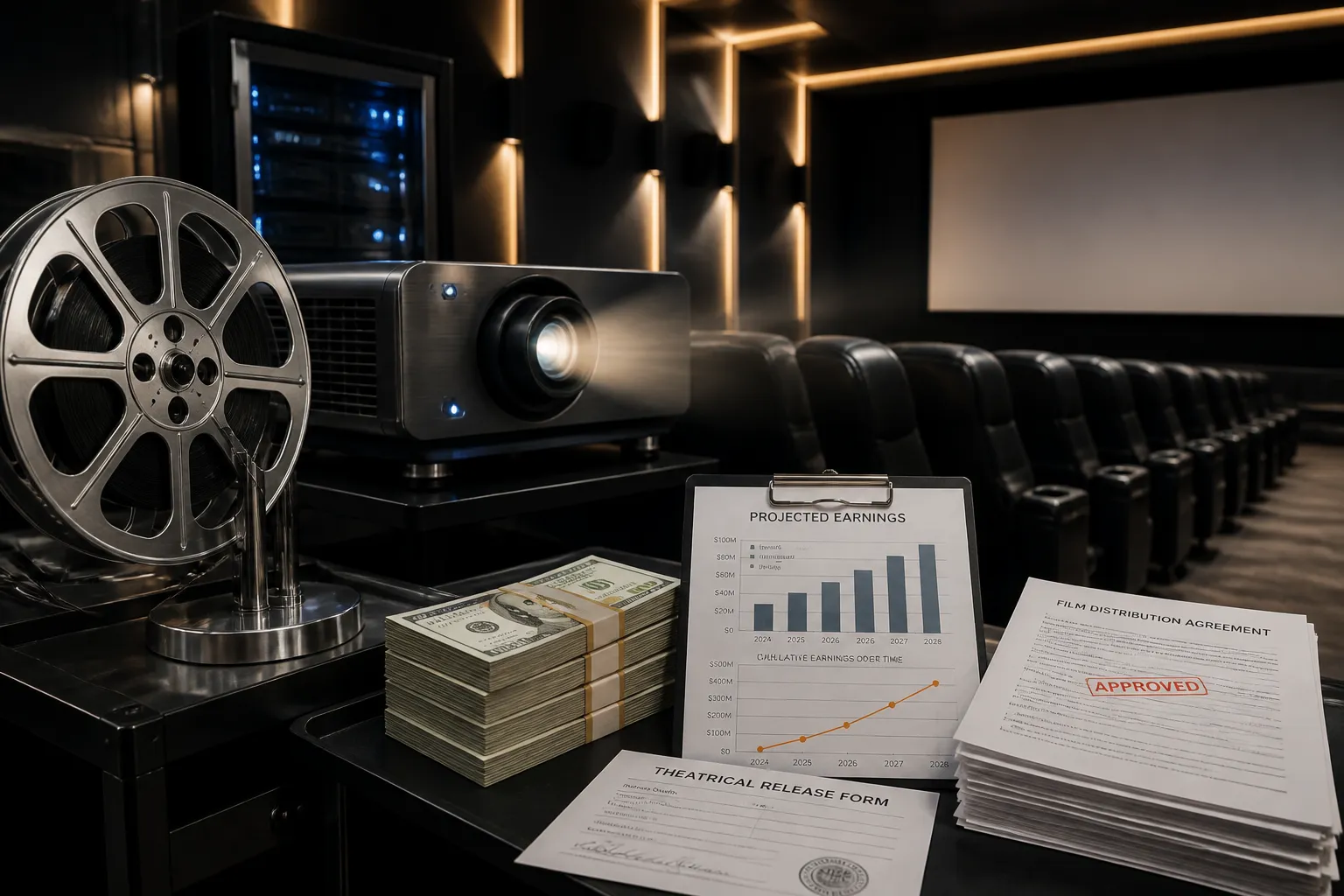
Rebirth premiered on 17 June 2025 at Odeon Luxe Leicester Square in London and opened in the United States and Canada on 2 July 2025. The film earned mixed reviews from critics and grossed more than $872 million worldwide, making it the sixth‑highest‑grossing film of 2025. At the 98th Academy Awards it received a nomination for Best Visual Effects, the first Jurassic Park film to earn an Oscar nomination since The Lost World.
The movie’s plot centers on a team that travels to a former island research facility in the equatorial region, where three large dinosaur species are kept. Their goal is to extract DNA samples that could help develop a heart‑disease treatment. The team also rescues a shipwrecked family, and both groups struggle to survive after becoming stranded on the island. The film ends with the team releasing the biomaterial as an open‑source resource.
Production began shortly after the release of Jurassic World Dominion (2022). Steven Spielberg, who has served as executive producer on every Jurassic Park film, recruited Koepp to help develop the new installment. Principal photography took place in Thailand, Malta and the United Kingdom from June to September 2024, with a budget estimated between $180 million and $225 million.
Despite the film’s commercial success, the future of the franchise remains uncertain. In an interview with ScreenRant, Koepp explained that a sequel faces a “serious problem”: no one has yet figured out how to expand the series in a way that is both logically and scientifically believable. He said that Rebirth was not intended to launch a new trilogy; instead, the focus was on creating a single strong film. Koepp noted that the franchise’s earlier entries had spread dinosaurs across the globe, creating an epic scope. Rebirth narrowed that scope by concentrating on a single location, which he believes makes it harder to expand.
Koepp added that until a new story that can broaden the world is developed, the next film remains stalled. He highlighted the franchise’s roots: the original Jurassic Park was set on one island, and the first film’s premise was a tourist attraction that went wrong. The subsequent Jurassic World films expanded the dinosaurs worldwide, while Rebirth returned to a more contained setting.
Universal has confirmed that a sequel—often referred to as Jurassic World 5—is in development, but no release date has been announced. The studio has not yet released details about the plot or cast for the next film.
The film’s release strategy also included a digital and home‑entertainment rollout. By May 2026, the movie was scheduled to appear on Netflix, according to a public‑journal report, although the exact date had not been finalized at the time of writing.
In summary, Jurassic World Rebirth succeeded commercially and added new talent to the franchise, but the path to a continuation is unclear. The film’s focus on a single location and the challenges of expanding the universe scientifically have left the next installment in a state of limbo, pending a new story that can justify a broader scope.
The industry will be watching Universal’s next steps closely, as the franchise’s future hinges on both creative direction and the ability to deliver a scientifically coherent narrative that satisfies audiences and critics alike.
Rebirth premiered on 17 June 2025 at Odeon Luxe Leicester Square in London and opened in the United States and Canada on 2 July 2025. The film earned mixed reviews from critics and grossed more than $872 million worldwide, making it the sixth‑highest‑grossing film of 2025. At the 98th Academy Awards it received a nomination for Best Visual Effects, the first Jurassic Park film to earn an Oscar nomination since The Lost World.
The movie’s plot centers on a team that travels to a former island research facility in the equatorial region, where three large dinosaur species are kept. Their goal is to extract DNA samples that could help develop a heart‑disease treatment. The team also rescues a shipwrecked family, and both groups struggle to survive after becoming stranded on the island. The film ends with the team releasing the biomaterial as an open‑source resource.
Production began shortly after the release of Jurassic World Dominion (2022). Steven Spielberg, who has served as executive producer on every Jurassic Park film, recruited Koepp to help develop the new installment. Principal photography took place in Thailand, Malta and the United Kingdom from June to September 2024, with a budget estimated between $180 million and $225 million.
Despite the film’s commercial success, the future of the franchise remains uncertain. In an interview with ScreenRant, Koepp explained that a sequel faces a “serious problem”: no one has yet figured out how to expand the series in a way that is both logically and scientifically believable. He said that Rebirth was not intended to launch a new trilogy; instead, the focus was on creating a single strong film. Koepp noted that the franchise’s earlier entries had spread dinosaurs across the globe, creating an epic scope. Rebirth narrowed that scope by concentrating on a single location, which he believes makes it harder to expand.
Koepp added that until a new story that can broaden the world is developed, the next film remains stalled. He highlighted the franchise’s roots: the original Jurassic Park was set on one island, and the first film’s premise was a tourist attraction that went wrong. The subsequent Jurassic World films expanded the dinosaurs worldwide, while Rebirth returned to a more contained setting.
Universal has confirmed that a sequel—often referred to as Jurassic World 5—is in development, but no release date has been announced. The studio has not yet released details about the plot or cast for the next film.
The film’s release strategy also included a digital and home‑entertainment rollout. By May 2026, the movie was scheduled to appear on Netflix, according to a public‑journal report, although the exact date had not been finalized at the time of writing.
In summary, Jurassic World Rebirth succeeded commercially and added new talent to the franchise, but the path to a continuation is unclear. The film’s focus on a single location and the challenges of expanding the universe scientifically have left the next installment in a state of limbo, pending a new story that can justify a broader scope.
The industry will be watching Universal’s next steps closely, as the franchise’s future hinges on both creative direction and the ability to deliver a scientifically coherent narrative that satisfies audiences and critics alike.