Blab Entertainment
Andrew Stanton Signals Potential for Toy Story 6 as Disney-Pixar Franchise Continues
When the fifth Toy Story movie hit theaters, director Andrew Stanton quietly hinted that the saga may not be over.
In a recent interview with Entertainment Weekly, Stanton explained that while many—Tom Hanks, who voices Woody, and other cast members—felt Toy Story 4 marked a natural end, he believes at least two more films are in the works. The comments came after the team finished developing Toy Story 5.
Stanton said the idea sprang from a brainstorming session about a toy’s life cycle while the fifth film was taking shape. He added that the series could keep moving forward even if he does not write or direct subsequent installments, and that he expects to stay involved in some capacity until he is “in a rocking chair somewhere.” He also highlighted Bonnie, the young girl introduced in Toy Story 3 and who became the central human character in the last two films. Stanton suggested Bonnie will have her own trilogy, echoing the original Andy‑led trilogy.
Toy Story 5, slated for a theatrical release on June 19 2026, is directed by Stanton and co‑written with Kenna Harris. The film carries the familiar ensemble—Tom Hanks as Woody, Tim Allen as Buzz Lightyear—alongside a new generation of characters. It premiered in Los Angeles on June 9 2026 and will be distributed by Walt Disney Pictures.
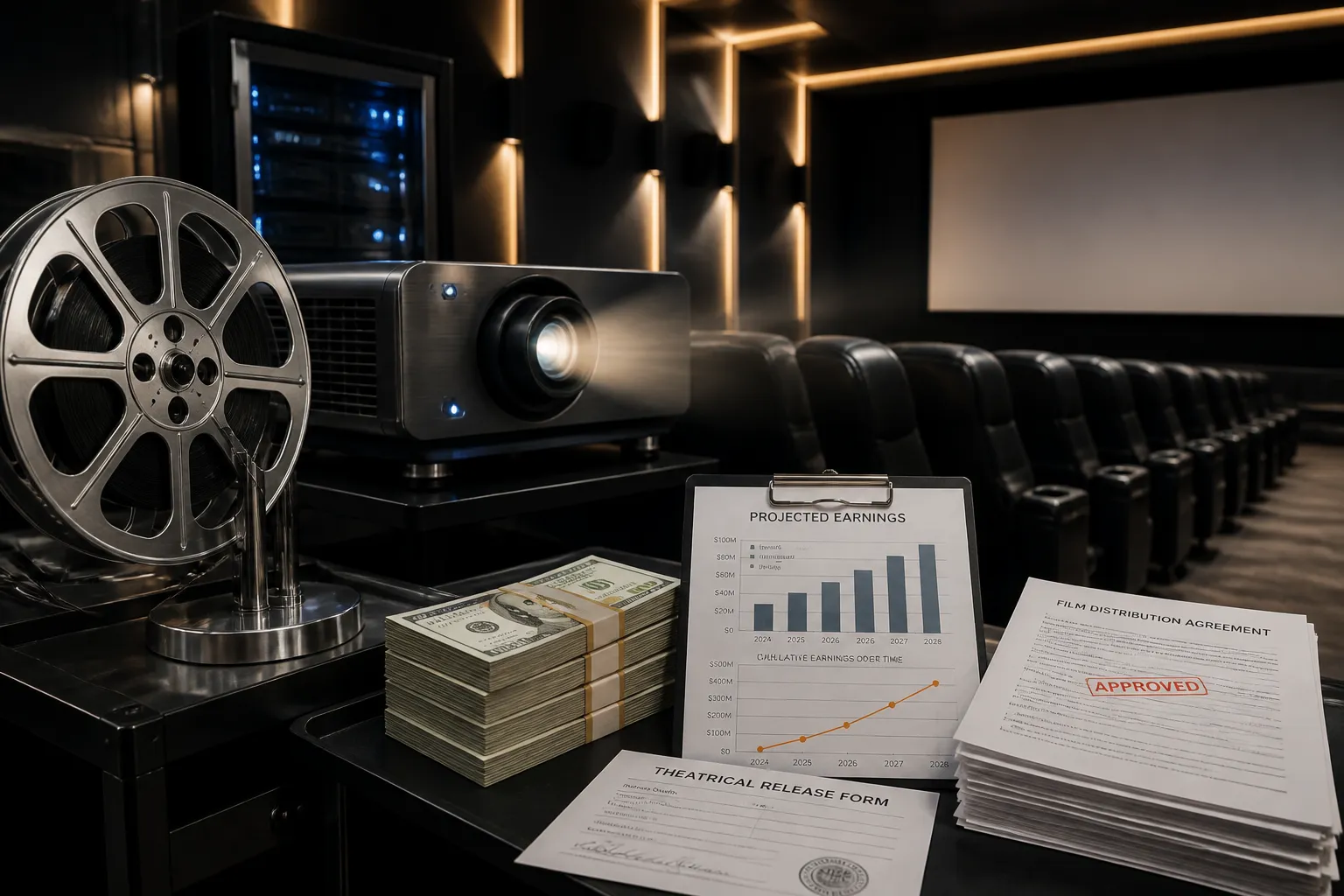
Disney and Pixar have confirmed that the franchise has generated roughly $16 billion in revenue over the past three decades. An economic study commissioned by the company and shared with Axios before the premiere highlighted the series’ financial impact, covering the five main films and underscoring the brand’s continued profitability.
Stanton’s remarks arrive as the studio gears up for the next wave of releases. Disney’s 2026 slate includes Toy Story 5, while future projects such as a forthcoming Gatto film and a potential Incredibles 3 are slated for later years. The possibility of a sixth Toy Story film adds fuel to speculation about the franchise’s long‑term trajectory.
Industry observers note that a decision to continue a franchise depends on audience demand, creative direction, and financial performance. Although Stanton has not set a production schedule for a sixth film, his comments suggest that the creative team is open to extending the series.
The potential for additional installments aligns with Disney’s broader strategy of leveraging proven intellectual property. Historically, the company has invested in sequels and spin‑offs for its most successful franchises, and the Toy Story brand remains one of its highest‑earning properties.
As Toy Story 5 approaches its release, fans and analysts will keep an eye on Pixar and Disney for further announcements. The studio’s official channels and upcoming industry events—such as the Animation Guild conference—may offer additional insight into whether a Toy Story 6 will be green‑lit.
In the meantime, the Toy Story series remains a benchmark for animated storytelling and franchise management. The next chapter—whether it be a sixth film, a new Bonnie trilogy, or another creative direction—will likely be shaped by both the studio’s commercial interests and the creative vision of its key contributors.
In a recent interview with Entertainment Weekly, Stanton explained that while many—Tom Hanks, who voices Woody, and other cast members—felt Toy Story 4 marked a natural end, he believes at least two more films are in the works. The comments came after the team finished developing Toy Story 5.
Stanton said the idea sprang from a brainstorming session about a toy’s life cycle while the fifth film was taking shape. He added that the series could keep moving forward even if he does not write or direct subsequent installments, and that he expects to stay involved in some capacity until he is “in a rocking chair somewhere.” He also highlighted Bonnie, the young girl introduced in Toy Story 3 and who became the central human character in the last two films. Stanton suggested Bonnie will have her own trilogy, echoing the original Andy‑led trilogy.
Toy Story 5, slated for a theatrical release on June 19 2026, is directed by Stanton and co‑written with Kenna Harris. The film carries the familiar ensemble—Tom Hanks as Woody, Tim Allen as Buzz Lightyear—alongside a new generation of characters. It premiered in Los Angeles on June 9 2026 and will be distributed by Walt Disney Pictures.
Disney and Pixar have confirmed that the franchise has generated roughly $16 billion in revenue over the past three decades. An economic study commissioned by the company and shared with Axios before the premiere highlighted the series’ financial impact, covering the five main films and underscoring the brand’s continued profitability.
Stanton’s remarks arrive as the studio gears up for the next wave of releases. Disney’s 2026 slate includes Toy Story 5, while future projects such as a forthcoming Gatto film and a potential Incredibles 3 are slated for later years. The possibility of a sixth Toy Story film adds fuel to speculation about the franchise’s long‑term trajectory.
Industry observers note that a decision to continue a franchise depends on audience demand, creative direction, and financial performance. Although Stanton has not set a production schedule for a sixth film, his comments suggest that the creative team is open to extending the series.
The potential for additional installments aligns with Disney’s broader strategy of leveraging proven intellectual property. Historically, the company has invested in sequels and spin‑offs for its most successful franchises, and the Toy Story brand remains one of its highest‑earning properties.
As Toy Story 5 approaches its release, fans and analysts will keep an eye on Pixar and Disney for further announcements. The studio’s official channels and upcoming industry events—such as the Animation Guild conference—may offer additional insight into whether a Toy Story 6 will be green‑lit.
In the meantime, the Toy Story series remains a benchmark for animated storytelling and franchise management. The next chapter—whether it be a sixth film, a new Bonnie trilogy, or another creative direction—will likely be shaped by both the studio’s commercial interests and the creative vision of its key contributors.