Blab Entertainment
Martin Scorsese Joins AI Startup as Advisor, Faces Union Backlash
When the legendary Martin Scorsese stepped into the world of artificial intelligence, the film community watched with a mix of curiosity and concern. The Academy‑Award‑winning director, best known for Raging Bull and Goodfellas, announced last week that he had joined Black Forest Labs, a German AI startup, as an adviser. The move followed a video the company released, in which Scorsese expressed excitement about using generative AI tools to streamline pre‑production.
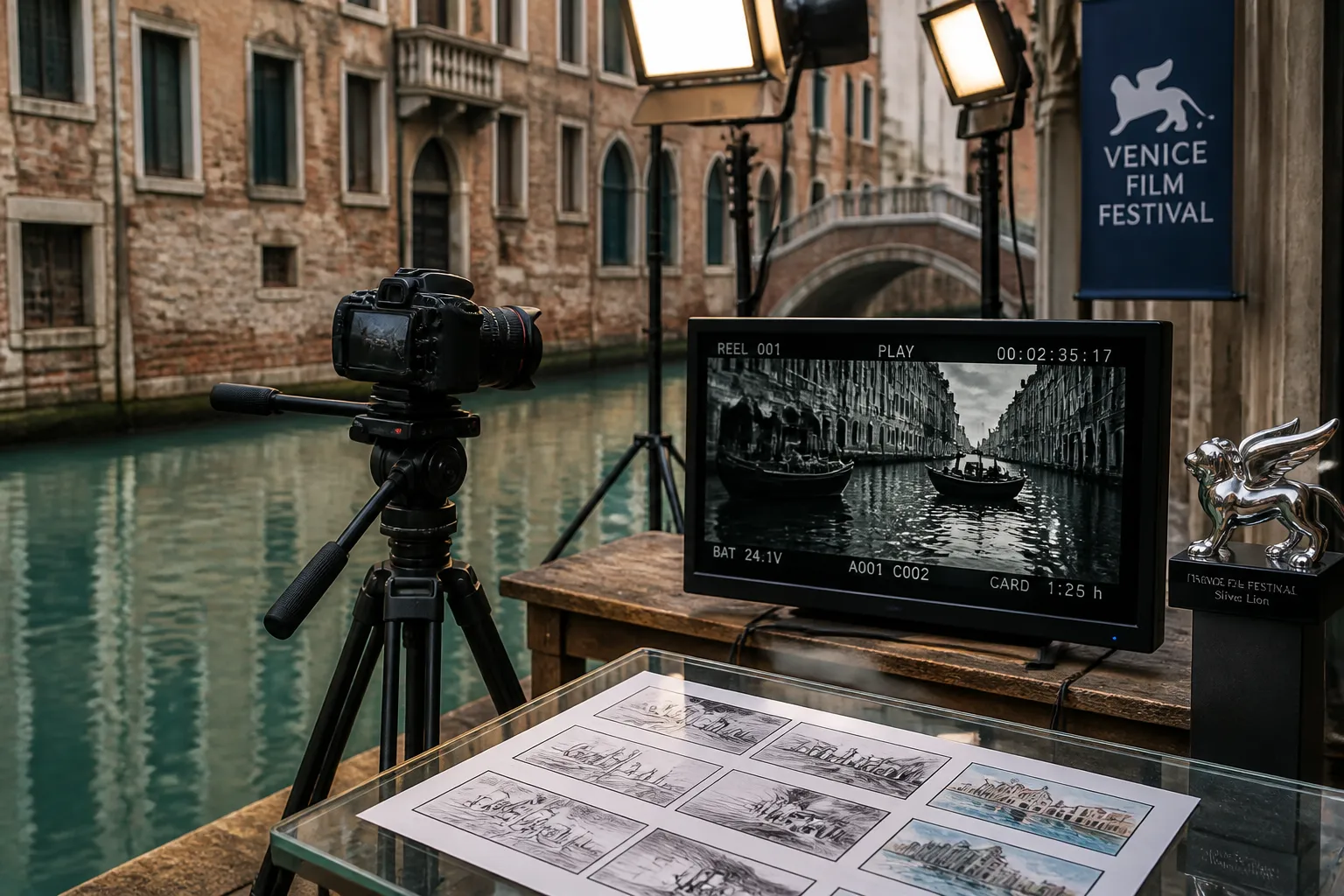
In a statement to the New York Times, Scorsese said he was intrigued by AI’s potential to push the bounds of creativity. He added, “Remember, cinema is a young medium, only around 125 years old, so we have to be open to how it can evolve.” The director also clarified that his support for AI is focused on storyboarding, explaining that for 70 years he has created his own storyboards and that the technology could help communicate his vision to cast and crew.
Black Forest Labs, headquartered in Freiburg im Breisgau, Germany, was founded by former employees of Stability AI. The company develops the Flux text‑to‑image model, which generates images from natural‑language prompts. According to the firm’s website, Flux is part of a broader effort to build visual intelligence that can understand, reason, and act in the world.
The Art Directors Guild Local 800, a labor union under the International Alliance of Theatrical and Stage Employees, issued an open letter on Wednesday that directly addressed Scorsese. The letter accused him of “turning his back” on the guild’s members—art directors, illustrators, production designers, scenic artists, and set designers—by promoting a generative AI product that the guild says circumvents their input. It also raised concerns that the AI model may produce images by studying copyrighted works without consent, credit, or compensation.
Scorsese’s career has earned him multiple Academy Award nominations and a win in 2007 for best director for The Departed. His films, including The Irishman, The Wolf of Wall Street, and The Last Temptation of Christ, have been celebrated for their visual style and narrative depth. The director’s recent endorsement of AI tools marks a notable shift in his public stance on technology.
Hollywood has seen a rapid rise in the adoption of generative AI for tasks ranging from character design to visual effects. Industry analysts note that AI can accelerate pre‑production workflows, but they also warn of potential legal and ethical challenges, particularly regarding intellectual‑property rights. The union’s letter reflects a broader concern among creative professionals about the impact of AI on traditional roles.
Representatives for Scorsese have not yet responded to a request from NBC News for comment. The director declined an interview with the New York Times, but the publication reported that he was open to discussing his perspective on AI. No official statement has been issued by Black Forest Labs regarding the union’s criticism.
At this time, the situation remains unresolved. Scorsese’s advisory role with Black Forest Labs is ongoing, and the union’s letter has drawn attention to the need for clearer guidelines on AI use in film production. The industry will likely monitor how the collaboration develops, especially as other studios explore similar technologies. No immediate changes to production schedules or releases have been announced.
The controversy underscores the growing intersection of creative artistry and emerging technology, and it may influence how studios, unions, and artists navigate AI tools in the coming years.
In a statement to the New York Times, Scorsese said he was intrigued by AI’s potential to push the bounds of creativity. He added, “Remember, cinema is a young medium, only around 125 years old, so we have to be open to how it can evolve.” The director also clarified that his support for AI is focused on storyboarding, explaining that for 70 years he has created his own storyboards and that the technology could help communicate his vision to cast and crew.
Black Forest Labs, headquartered in Freiburg im Breisgau, Germany, was founded by former employees of Stability AI. The company develops the Flux text‑to‑image model, which generates images from natural‑language prompts. According to the firm’s website, Flux is part of a broader effort to build visual intelligence that can understand, reason, and act in the world.
The Art Directors Guild Local 800, a labor union under the International Alliance of Theatrical and Stage Employees, issued an open letter on Wednesday that directly addressed Scorsese. The letter accused him of “turning his back” on the guild’s members—art directors, illustrators, production designers, scenic artists, and set designers—by promoting a generative AI product that the guild says circumvents their input. It also raised concerns that the AI model may produce images by studying copyrighted works without consent, credit, or compensation.
Scorsese’s career has earned him multiple Academy Award nominations and a win in 2007 for best director for The Departed. His films, including The Irishman, The Wolf of Wall Street, and The Last Temptation of Christ, have been celebrated for their visual style and narrative depth. The director’s recent endorsement of AI tools marks a notable shift in his public stance on technology.
Hollywood has seen a rapid rise in the adoption of generative AI for tasks ranging from character design to visual effects. Industry analysts note that AI can accelerate pre‑production workflows, but they also warn of potential legal and ethical challenges, particularly regarding intellectual‑property rights. The union’s letter reflects a broader concern among creative professionals about the impact of AI on traditional roles.
Representatives for Scorsese have not yet responded to a request from NBC News for comment. The director declined an interview with the New York Times, but the publication reported that he was open to discussing his perspective on AI. No official statement has been issued by Black Forest Labs regarding the union’s criticism.
At this time, the situation remains unresolved. Scorsese’s advisory role with Black Forest Labs is ongoing, and the union’s letter has drawn attention to the need for clearer guidelines on AI use in film production. The industry will likely monitor how the collaboration develops, especially as other studios explore similar technologies. No immediate changes to production schedules or releases have been announced.
The controversy underscores the growing intersection of creative artistry and emerging technology, and it may influence how studios, unions, and artists navigate AI tools in the coming years.